Understand stock customization, OEM production and ODM development, from drawings and samples to tooling and production approvals. Use the practical sourcing criteria below to define a quote, verify samples and avoid unapproved assumptions about a bottle model.
- State whether existing shape or unique structure is required
- Identify ownership of drawings, artwork and tooling
- Separate prototype costs from mass production quotes
Three common routes are not the same project
Buying an existing unprinted bottle, changing logo/colors on an existing model and commissioning a new structure are different levels of development. OEM may refer to manufacturing to a buyer's specifications; ODM usually involves a manufacturer's design and development capability. Suppliers sometimes use these labels differently, so define the actual design ownership, customization scope and approval responsibilities rather than assuming the name explains all.
Start from an existing catalog when speed matters
If the bottle shape, lid and capacity already match the market, a standard model with approved colors and logo decoration may reduce tooling work. The buyer still needs to confirm material grade, available colors, minimum order quantities and packaging. This route is practical for testing a sales channel before investing in a proprietary mold.
When a new structure requires development
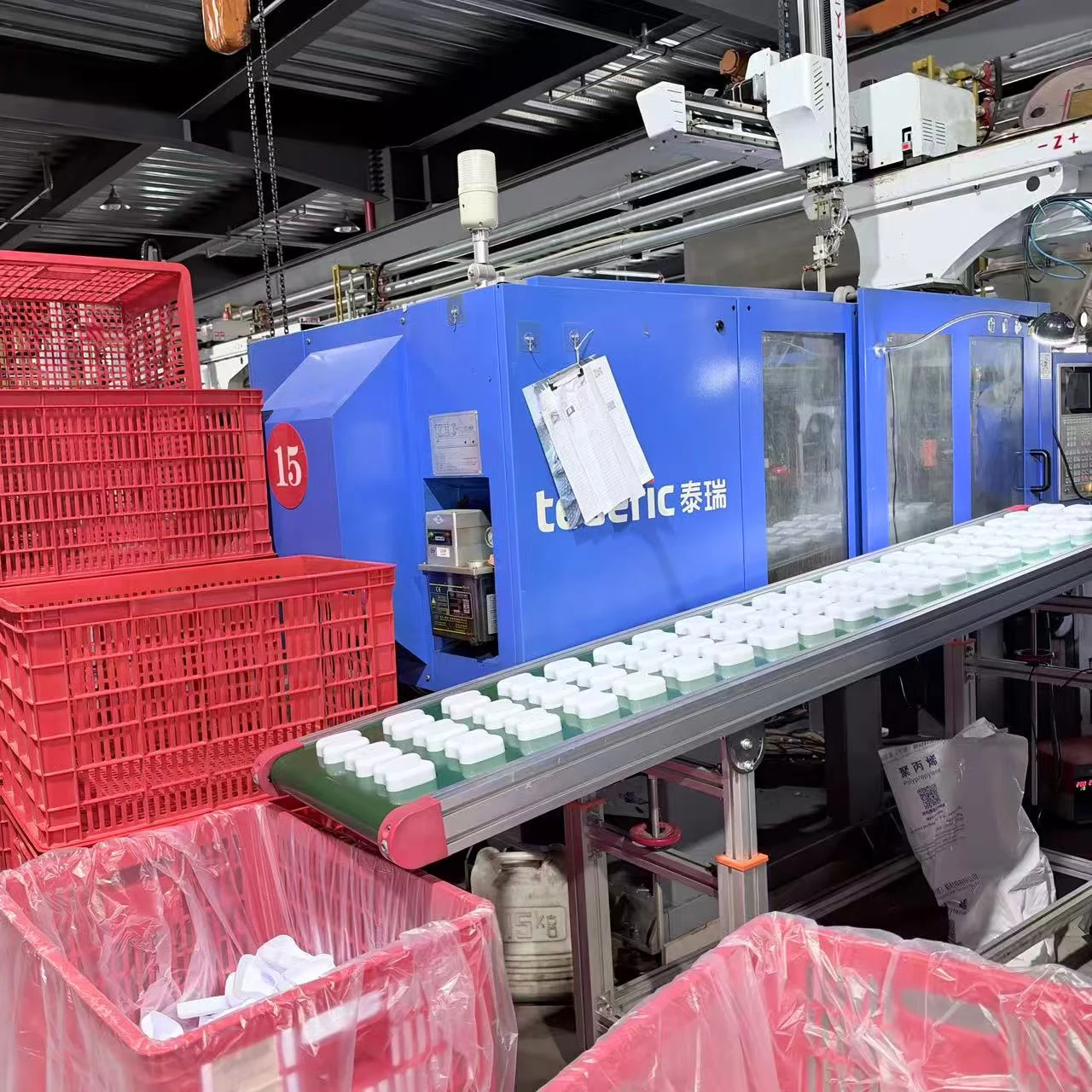
A unique silhouette, new closure or different grip geometry can require drawings, prototypes, mold design, tooling trials and repeat testing. Ask which components are newly made and which existing parts can be reused. Agree in writing on design file ownership, mold rights, revisions and what happens if development pauses. Avoid assuming ownership follows simply from paying a sampling charge.
Plan the development milestones
A sensible schedule separates requirement review, engineering feasibility, visual design, prototype, sample assessment, tooling where applicable, pilot approval and final production. Each stage should have a responsible party and a clear acceptance criterion. A newly designed lid may require extra sealing, usability and materials reviews that are unnecessary for a standard printed logo.
Protect artwork and control revisions
Record artwork files, mechanical drawings, the current bill of materials and accepted reference samples. Consider an NDA where design confidentiality is important. Determine who may reuse the design and whether substitutions require written approval. Retailer labeling and food-contact evidence should be reviewed alongside engineering changes rather than after bulk packing.
Choose a route using commercial constraints
A new brand may prioritize market testing and modest inventory; an established distributor may pay for exclusive design and stronger differentiation. Ask for a side-by-side comparison of development expense, MOQ, lead time, customization limits and repeat-order continuity. The best route is the one that matches the customer's channel, not simply the one described as more advanced.
Buyer checklist
- State whether existing shape or unique structure is required
- Identify ownership of drawings, artwork and tooling
- Separate prototype costs from mass production quotes
- Confirm component-level quality and documentation
- Sign off each development milestone
Frequently asked questions
Can OEM include custom colors and packaging?
Yes, in many projects. The exact scope depends on existing tooling, minimums and what the buyer changes. Ask the supplier to specify what is stock, customized or newly developed.
Is a new mold required for a new logo?
Usually not if the approved existing bottle surface supports decoration. A new shape, structure or integrated embossed feature may require tooling work.
Need a quote for a specific model?
Send the model, expected order quantity, logo requirements and destination market. XUYI can review confirmed material and customization options.
Request a Plastic Bottle Quote →