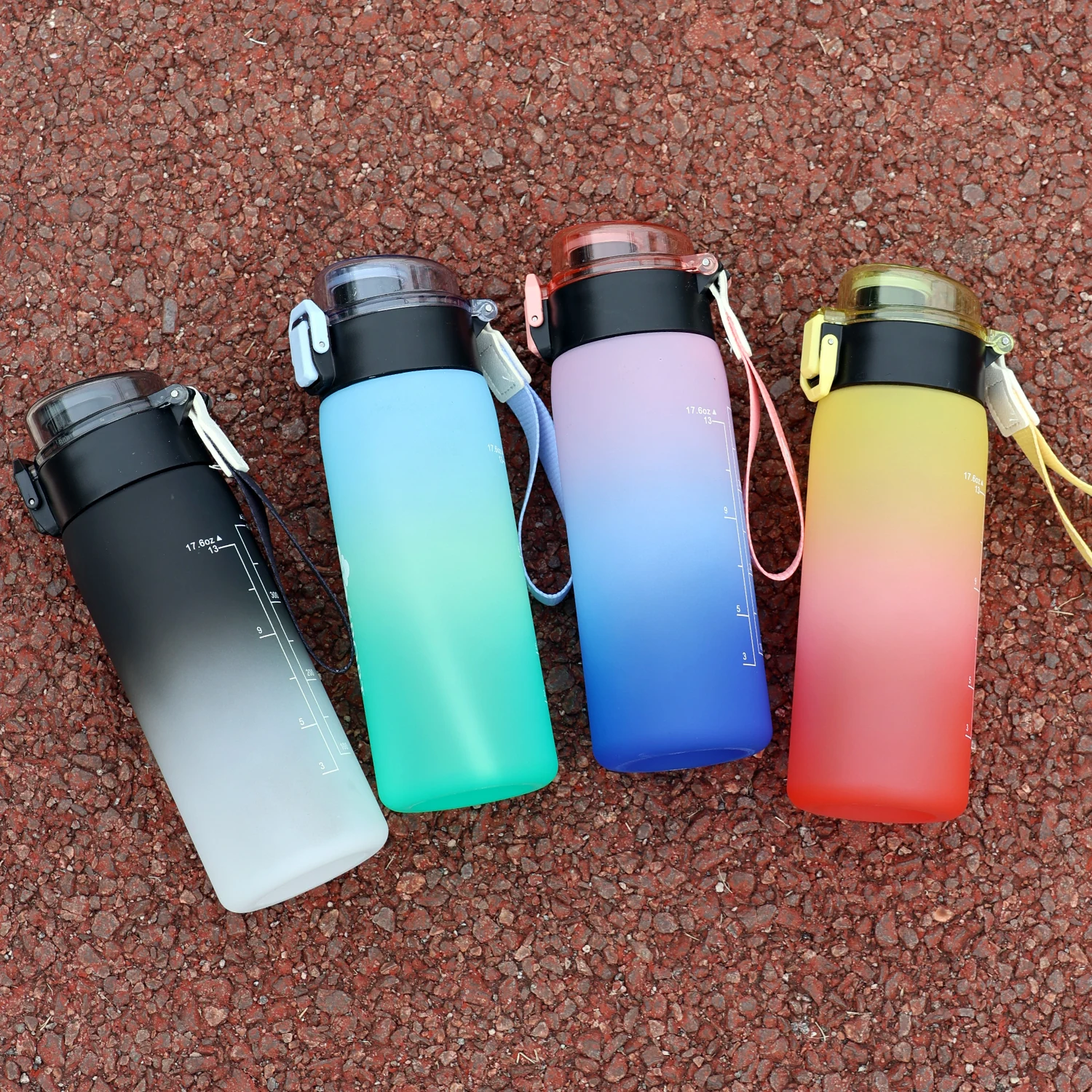
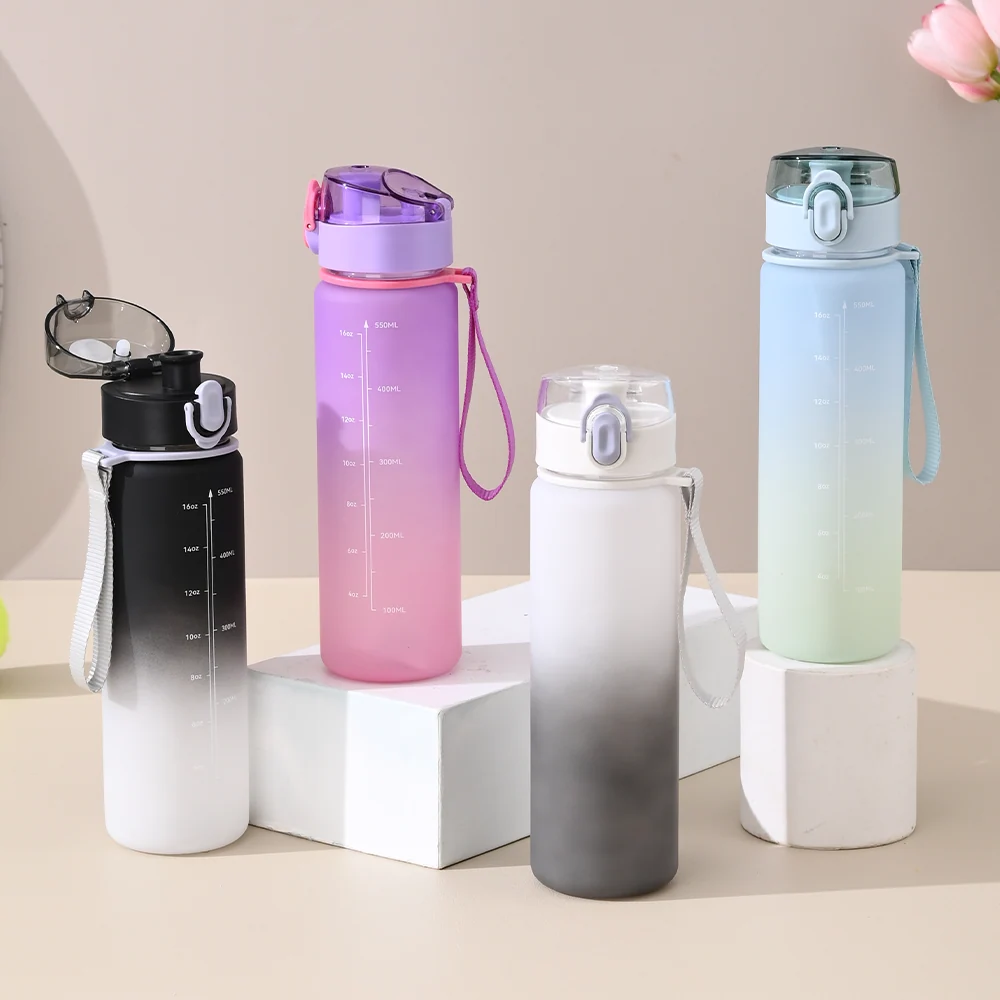
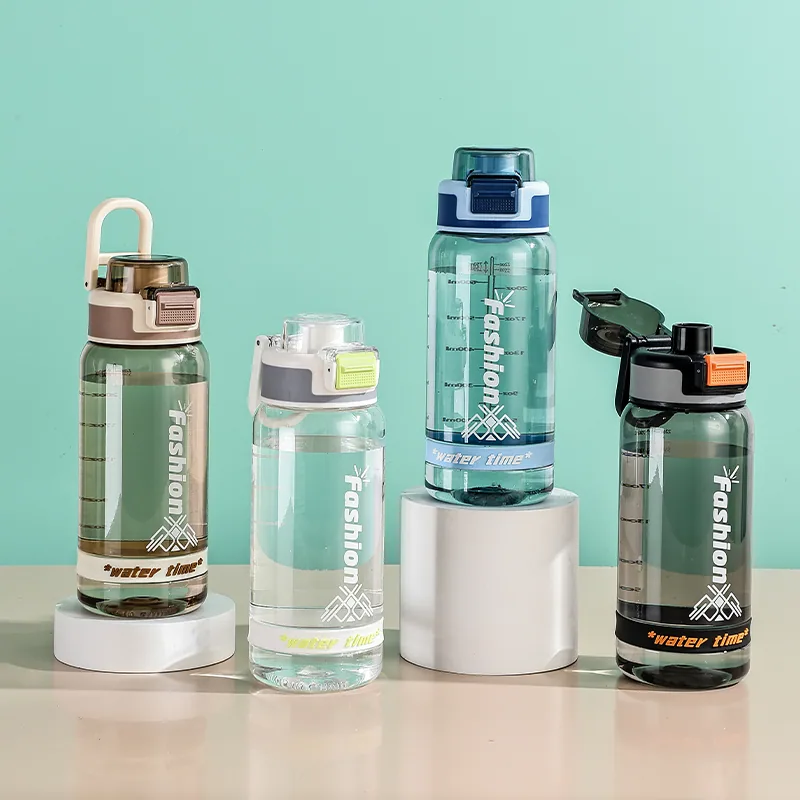
Solid molded colors
Single-color and matched collections where tooling permits.
What to confirmReview resin shade, component differences and MOQ.
Plan solid colors, transparent and translucent styles, gradients and printed patterns without confusing mockup possibilities with mass-production feasibility.
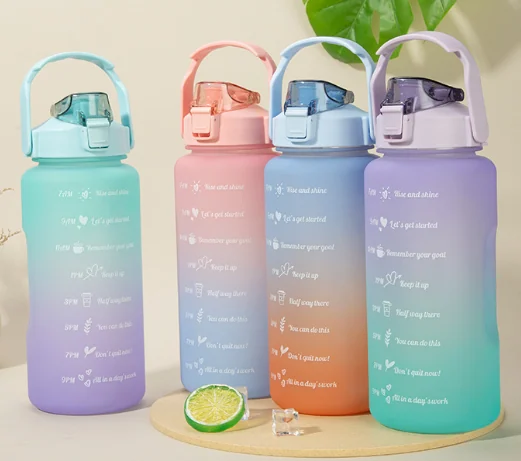
Color and surface design often determine whether a bottle looks like a recognizable retail collection. But a Pantone value, a molded pigment and a decorated gradient are different production choices. They need different materials, process checks, minimum order quantities and physical sampling; XUYI reviews them against the selected bottle shape and actual plastic substrate.
When the bottle body color is made through resin coloring, the result is affected by material, wall thickness, transparency and mold texture. A visual gradient may instead depend on a specific compatible decoration method. A rendered design does not prove a particular model can be mass-produced with that effect. Agree on what is solid molded color and what is later printing.
Provide Pantone targets or a physical color chip, while recognizing that digital RGB images rarely match molded resin exactly. Test colors under normal lighting on the actual bottle. Transparent bodies can alter the appearance of white, pastel and dark printed graphics. Specify which deviations are acceptable in volume production.

A solid pigment often depends on molding material and lot size; a gradient or wraparound pattern may require a verified transfer, screen/digital system or different finishing process. Complex continuous graphics can break around handles, ribs and tapered shapes. Request a production feasibility check with the bottle maker, particularly for PP and other difficult-to-print surfaces.
Matte and glossy tools create different look and tactile feel. Soft-feel coating or overmolded grip is a different component/process decision and cannot be promised just because an image depicts a textured bottle. Check scuff marks, fingerprint visibility, rub performance and cleaning conditions on approved samples.
A combination of body color, contrasting cap color, gradient design and full-color packaging may have multiple production minimums. Build a SKU matrix showing body, lid, graphic version and carton variation. Agree on a signed appearance reference and confirm how many colorways can be packed together for the delivery channel.
Each stage has an approval point, so production does not rely on assumptions.
Send model, target market, selected material and color references.
Separate molded color and applied decoration; verify process capability.
Review swatches and physical samples from the chosen production method.
Evaluate scuffing, logo visibility, cleaning and sample fit.
Lock bottle, lid, artwork version and packaging details by SKU.
Providing the correct details helps evaluate materials, prices, MOQ, samples and tooling without premature promises.
Request Project Quote →These models are design references. Confirm whether a specific finish is molded, transferred or otherwise decorated.
A photo is a starting point. Final visual results depend on substrate, ink/process, lighting and approval tolerances. A decorated sample is required.
It depends on stock availability and minimum quantities for each separately molded component. Confirm the requested color matrix.
No. Translucency describes appearance; Tritan is a resin family. Multiple plastics can have different optical properties.
Use agreed color references plus actual samples under controlled viewing conditions; keep a signed sample for future orders.
Transparent walls and dark graphics may need underprinting and a different proof for each key colorway.
Review logo compatibilityPackaging artwork should depict the approved body/cap colors, not a speculative render.
Review packaging artworkTechnical reference: How plastic resin selection affects appearance
Send your selected model, color references, transparency target and artwork concept.
Share your model numbers, estimated quantity, colors, artwork and destination country.
Get an Instant Quote →