Define the source SKU
Choose sports, kids, large-jug or shaker model and record target capacity, size, lid and material components.
A reusable plastic water bottle project begins with the correct body, lid and material specification, followed by a production method suited to the model, component assembly, checks and packing. XUYI coordinates this process through its own Taizhou facility and selected partner production where applicable.
Discuss Production →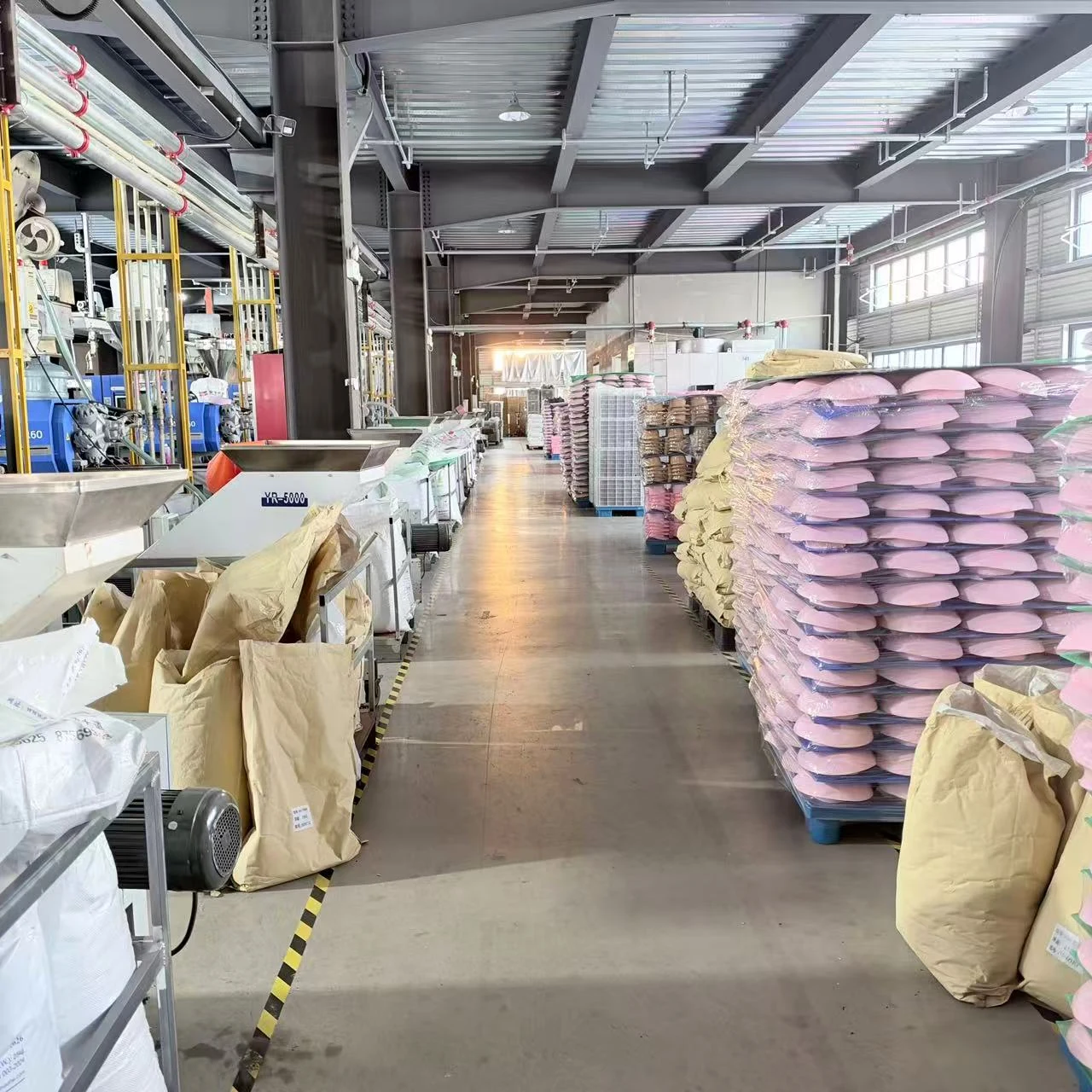 Packing and production workflow
Body molding, lid production and assembly are distinct tasks. Exact processes are selected by the bottle design and polymer, not a one-size-fits-all factory claim.
Plastic bottle bodies may be produced by suitable blow-molding processes and caps by injection molding; exact machinery for XUYI SKUs must be verified separately.
Handling and packing practices are planned against each order specification.
Products are organized for order preparation.
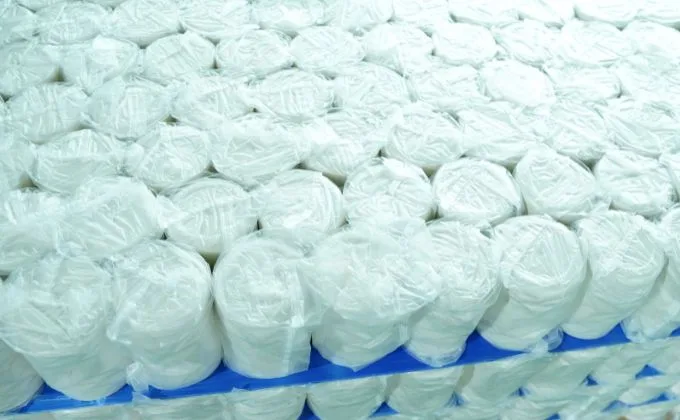
Products are protected ahead of packing and shipment.
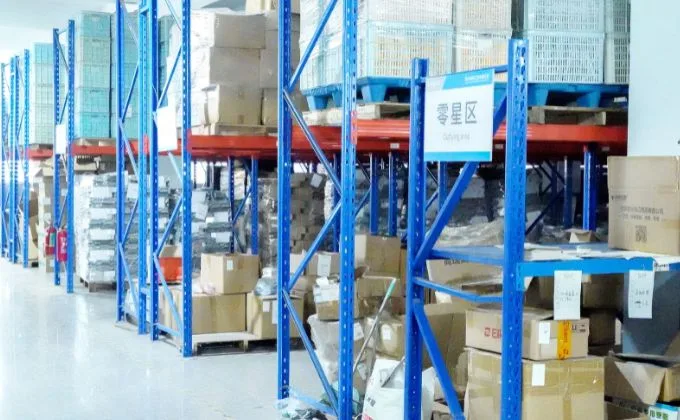
Packing quantities and dispatch details are checked.
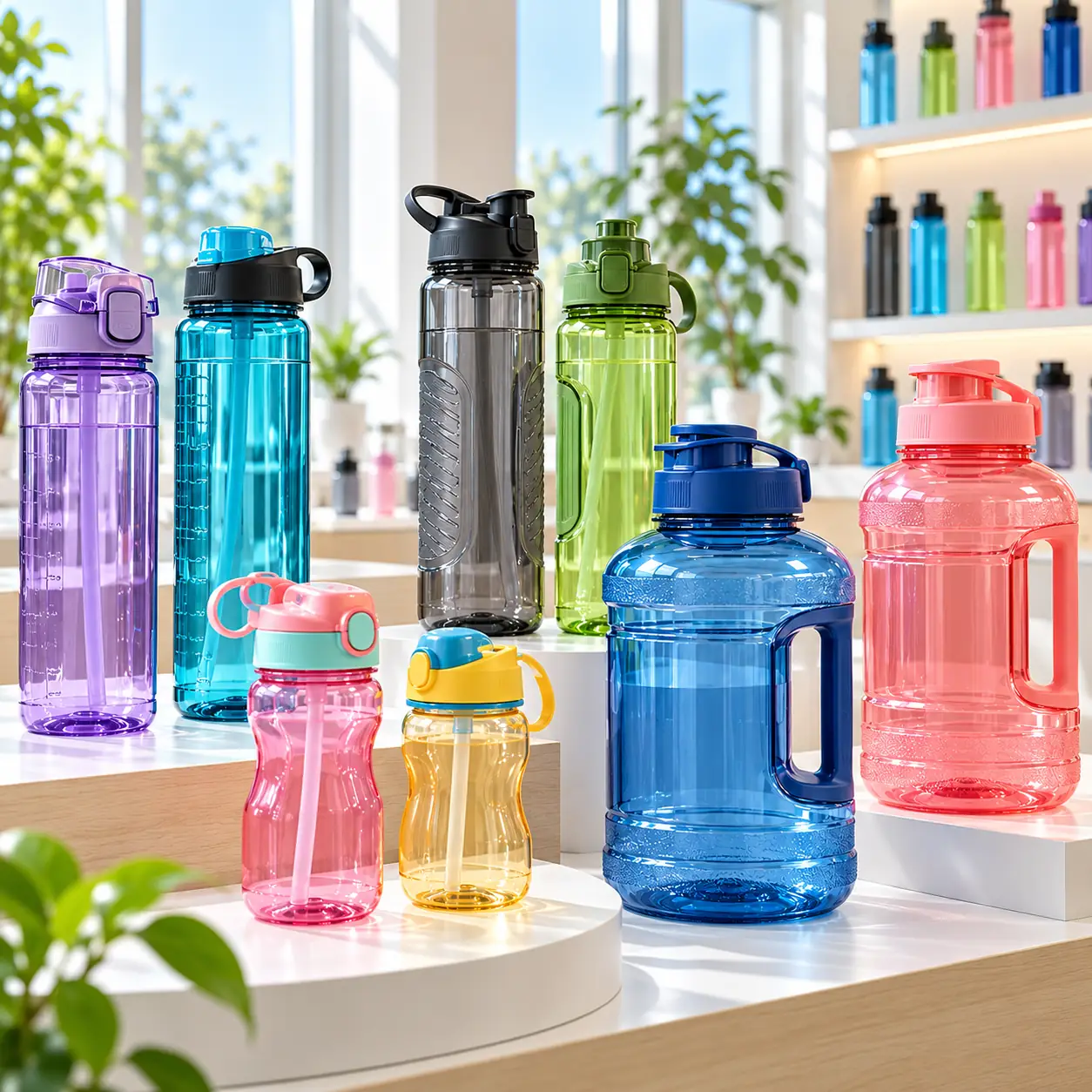
Different plastic bottle designs use different body and cap materials, molding methods and closure mechanisms. Depending on the selected model, a hollow bottle body may involve a suitable blow-molding process, while caps, handles or other components may use injection molding. This is a description of common production methods, not a claim that every XUYI SKU uses the same equipment.
For each project, the product specification should identify the body, lid, straw, seals, grip components, nominal fill volume, dimensions and intended use. The factory route, material requirements, tooling and sampling approach can then be reviewed. If a model is sourced from a selected partner facility, responsibility for quality and finished-product approval should be clear.
Production descriptions become genuinely useful when they tell buyers what is checked and what documents to request. The source catalog provides bottle model references, but workshop images, equipment inventory, production rates and test reports will be published only after verification.
Compare Source Models →Use these checkpoints to follow what has been specified, approved and delivered.
Choose sports, kids, large-jug or shaker model and record target capacity, size, lid and material components.
Clarify the actual in-house or partner-made product, proposed body/cap process, tooling needs and sample feasibility.
Check body appearance, lid fit, seal, drinking function and volume with the agreed reference.
Confirm print position, surface finish, artwork, labels and packaging mockups on the selected substrate.
Agree visual defects, component fit, leak-check method, sample frequency and acceptance before the run.
Reconcile finished model/color quantities, carton labels, protection and dispatch documents with the purchase order.
| Stage | What should be checked | Buyer-facing record |
|---|---|---|
| Materials | Body, cap, straw, seal and color requirements | Material/component specification |
| Tooling / process | Correct model revision and process suitability | Approved drawing or part reference |
| Sampling | Fill capacity, fit, appearance and user function | Signed-off reference sample / artwork proof |
| Bulk checks | Lid operation, decoration and agreed defects | Inspection criteria or check records |
| Packing | Unit count, carton size, weight and labels | Packing list and carton specification |
Questions about components, tooling, samples and repeat-order consistency.
The process depends on polymer, body geometry and tooling. Some hollow plastic bodies use suitable blow-molding methods, while lids and smaller parts often use injection molding. Confirm the actual process for the chosen model.
XUYI has its own manufacturing facility and may coordinate selected production partners for certain product styles. The supply route for the chosen SKU must be confirmed.
Many designs have distinct cap, drinking, gasket and carrying components. Their materials and fit should be checked separately rather than assuming the bottle body specification covers all parts.
Such requests require drawing review, manufacturing feasibility and potentially new tooling. Cost, ownership, timing and prototype approval depend on the design.
Compare the physical sample to a documented model and revision, including color, dimensions, lid function, print, carton and agreed verification tests. Record approval before production.
A model-specific specification, component material information, any applicable test documents, sample approval record and agreed packing data are more useful than generic factory marketing claims.
Not one that can be verified for every design. Production and sample timing depend on selected model, raw materials, order quantity, colors, tooling and approval changes.
Share a catalog code or drawing, quantities, target destination and any technical concerns. Specify whether you need an existing bottle or a modified design.
Discuss Your Order →Three different records should describe the same SKU, not a generic factory capability.
List the body, lid, straw, flexible seal and contact materials for the exact finished bottle. Mark the material grade and purchase revision for each component.
Keep the model photo, functional cap version, color master, print location, artwork revision and sample sign-off together. Identify changes requiring a new approval.
Record actual units per carton, measured dimensions and weight, outer labels, inspection checkpoints and shipment terms before booking freight.
Buyer-request checklist only: no unprovided equipment counts, capacity figures or passed inspections are claimed.
Discuss This Production Brief →Share your model numbers, estimated quantity, colors, artwork and destination country.
Get an Instant Quote →