Catalog model orders
Established designs with documented variants and shorter development scope.
What to confirmCheck stock parts and order-specific quality requirements.
Connect an approved design to materials, forming, closure assembly, decoration, inspection and packed shipment through a controlled specification.
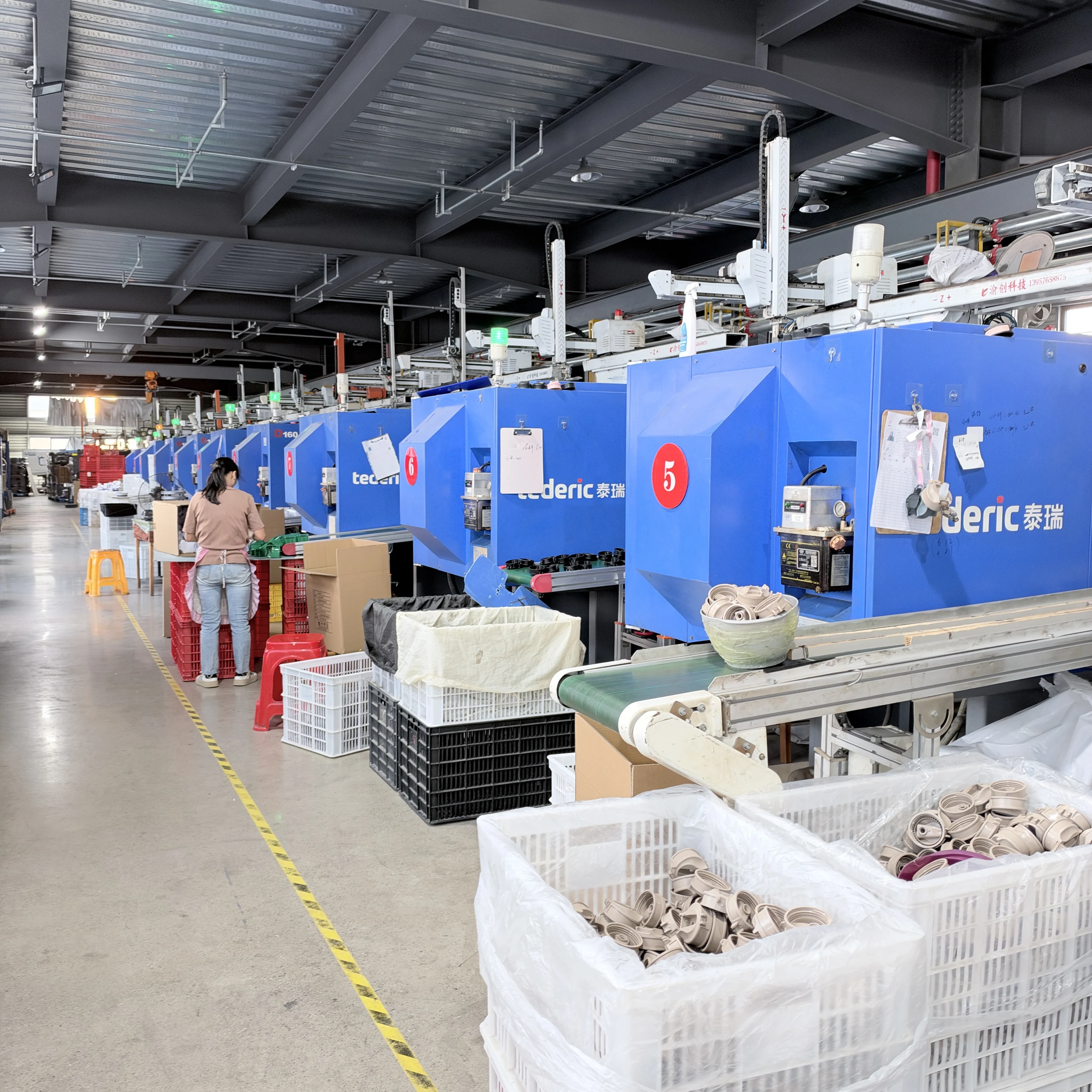
Production quality is determined by the approved bottle specification, reliable component sourcing and checks at appropriate stages. XUYI coordinates its own and relevant manufacturing-partner processes depending on the model. We do not claim that every part or technique is produced on one particular machine or that a fixed capacity applies to all designs.
A purchase order should be traceable to a model/variant, component bill of materials, signed sample, artwork revision and pack instruction. For bottle bodies and closures, the specification may include wall dimensions, neck/thread fit, material grade and color. Without a controlled reference, two batches can look similar but have different sealing or label behavior.
Caps, handles and selected small parts may be injection molded; bottle bodies can use other forming processes based on shape and polymer. Components are then assembled with gaskets, straws or inserts as specified. Printing, transfer or other surface work is checked on the actual substrate. Each process needs suitable controls rather than a universal 'fully automated' promise.
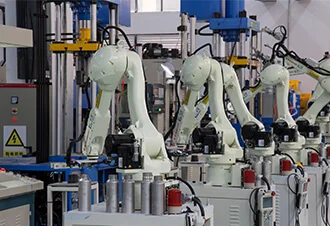
Confirm resin grade and component material declarations for body, lid, seals, straw and any colorants. Buyers needing BPA-free or food-contact documentation should state the destination rules and intended use at the start. A report for another brand or product model cannot automatically be treated as this specific bottle's evidence.
Depending on the product, checks may cover visual marks, capacity, dimensions, print position, lid operation, missing seals, assembly cleanliness and selected leak or impact tests. A written sample plan should define the method and acceptance criteria. '100% leakproof' or 'zero defects' should not be used without clear support.
Review the retail pack and master carton against the approved specification. Check carton counts, size and weight, label information, product color assortments and export handover requirements. The factory and any partner suppliers should know how to identify affected lots when a component or artwork change occurs.
Each stage has an approval point, so production does not rely on assumptions.
Approve model, material, drawings, artwork, pack and incoming requirements.
Confirm feasible forming/assembly methods, supplies, target quantity and schedule.
Evaluate dimensions, color, lid operation, decoration and required evidence.
Apply agreed in-process and final checks with traceable deviations.
Verify master cartons, quantity, marks and agreed shipping documents.
Providing the correct details helps evaluate materials, prices, MOQ, samples and tooling without premature promises.
Request Project Quote →Model references help define the right checks; they are not claims that a model has passed an undisclosed test.
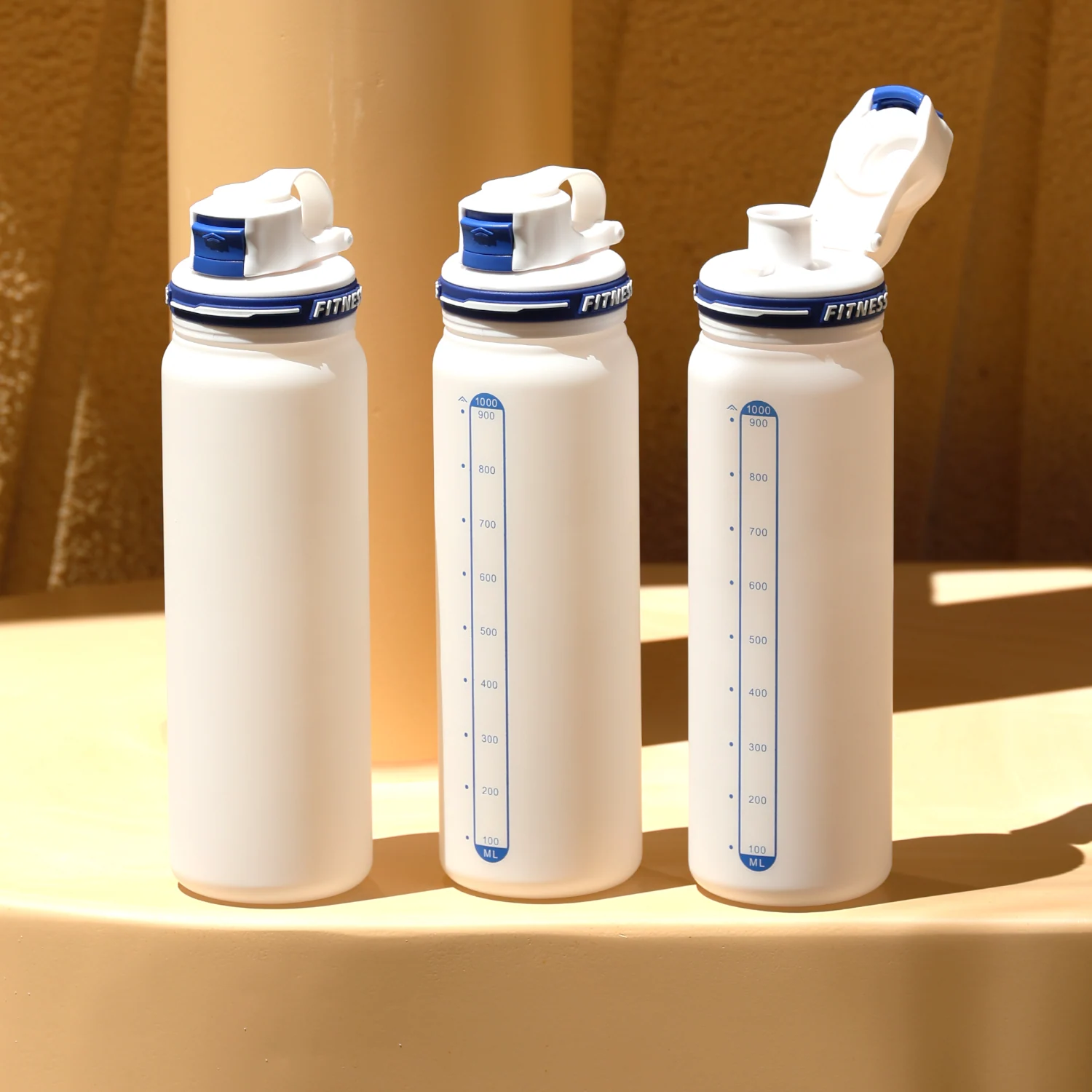
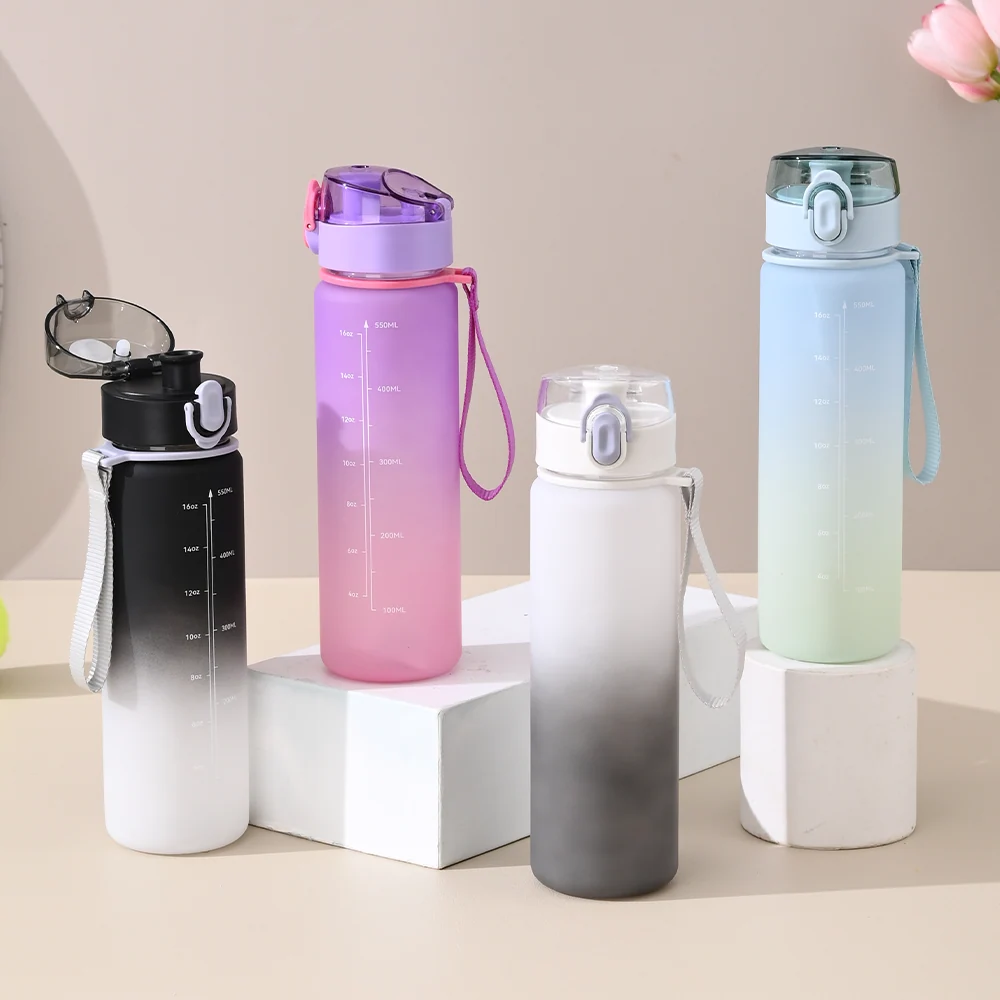
Manufacturing location and processes can differ by model. Confirm the specific production route and any approved partner involvement during quotation.
The inspection plan should match the selected SKU and buyer requirements; share any retailer-specific testing or reporting standards.
No responsible bulk specification should promise absolute zero defects. Agree sampling, critical defects and remediation procedures.
Specify the required destination-market standard and exact components so available declarations or relevant testing can be evaluated.
Which dimensions, appearance defects, missing parts and assembly checks are acceptable?
QC processHow many pieces per carton, which components, and which SKU/color labels are agreed?
Packing controlWhich carton marks, product documents and delivery terms apply to this shipment?
Shipping planProvide the exact model, materials, quantity, acceptance criteria and destination.
Share your model numbers, estimated quantity, colors, artwork and destination country.
Get an Instant Quote →