New cap or seal component
Changes to drinking mechanism, hinge or gasket may require dedicated tooling.
What to confirmCheck neck compatibility and food-contact component materials.
Understand when an injection-molded cap, a new bottle body, or a revised drinking system needs dedicated tooling and validation.
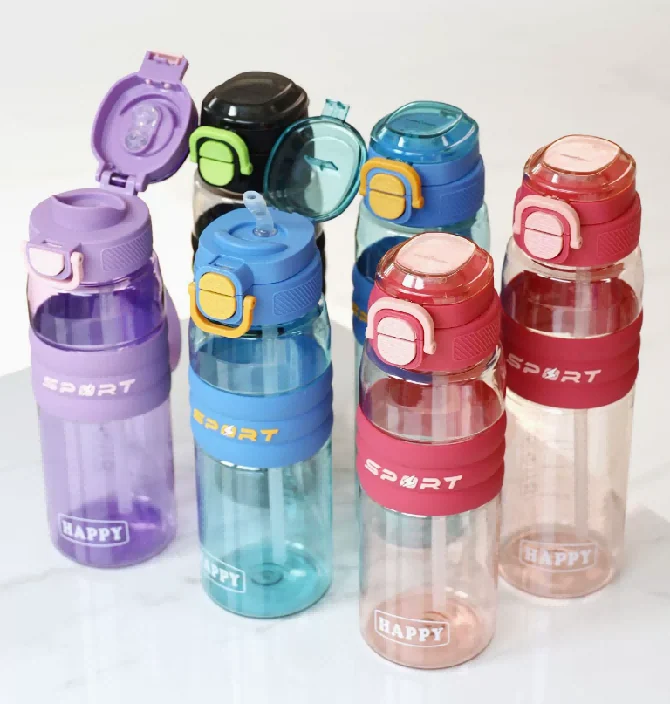
A truly custom bottle is an engineering project, not a print job. The body-forming process, cap and handle construction, polymer behavior and tolerances affect the mold route. We can discuss feasibility through the suitable XUYI or manufacturing-partner production route; engineering capability, tooling costs and ownership are confirmed per project.
A printed logo and standard body color usually do not require a new cavity. New body geometry, an integrated handle, neck thread or cap shape may. Mark whether the requested change affects appearance only or water sealing and mechanical function. The second class needs more careful fit, assembly and durability evaluation.
Injection molding is commonly associated with caps, small handles and complex plastic components; plastic bottle bodies may use blow-molding or other processes depending on polymer, design and manufacturing route. The mold maker must verify resin suitability, wall thickness, draft, shrinkage and neck tolerances. Do not describe all bottles as injection-molded products.

Before committing to a mold, assess the 2D/3D part definition, parting line, surface finish, draft angles, undercuts, gate and ejector positions if relevant, and assembly interfaces. Evaluate where sinks, flash or deformation would be unacceptable. Review how changing the bottle capacity could affect mold size, carton dimensions and lid alignment.
A visual 3D model cannot validate liquid containment or assembly quality. Where feasible, use prototypes to check handling and mechanical layout, then inspect molded trial samples for fit, appearance, dimensional stability, closure function and relevant material evidence. Decide defect acceptance, rework and pilot approval before production quantities are committed.
A responsible quote separates design services, tooling charges, sample trials and ongoing per-unit costs. Clarify in writing ownership and storage of molds, maintenance responsibility, design-file access, revision allowances and transfer rights, when applicable. NDA, exclusivity and third-party supplier involvement should be agreed rather than implied.
Each stage has an approval point, so production does not rely on assumptions.
Submit sketches, sample photographs, desired volume, polymer and closure concept.
Review part geometry, tolerances, possible processes, tooling route and cost assumptions.
Confirm quote, design ownership, payment stages, milestones and revision responsibilities.
Evaluate dimensions, molded appearance, lid operation, sealing and any required testing.
Approve final specification and production controls before scheduled mass manufacture.
Providing the correct details helps evaluate materials, prices, MOQ, samples and tooling without premature promises.
Request Project Quote →One of the most expensive purchasing mistakes is commissioning tooling for a change that existing components can support.
Product models such as 2095 and 5340 show existing bottle forms. Their appearance alone does not establish the feasibility or cost of modifying a mold.
No. Caps and certain parts are commonly injection molded, while bottle bodies may use suitable blow-forming or other processes. The engineering route depends on resin and geometry.
Normally not for compatible surface printing. An integrated embossed or debossed logo may require tooling changes.
Ownership and use rights must be specified in the tooling contract and cannot be assumed from a one-time fee.
A photograph supports initial screening, but accurate quotes require dimensions, part geometry, material and production targets.
Acceptance should cover neck fit, lid operation, wall quality and material—not just first-shot appearance. Put drawing control and sample testing in the tooling agreement before bulk production is booked.
Manufacturing and inspection routeShare part geometry, material targets, tolerance requirements and expected production volume.
Share your model numbers, estimated quantity, colors, artwork and destination country.
Get an Instant Quote →