Screen print
Clean, simple designs on suitable molded surfaces.
What to confirmConfirm curved-area limits, ink adhesion and setup cost.
Choose an appropriate way to put a brand on a curved plastic bottle — with confirmed print area, color and abrasion performance.
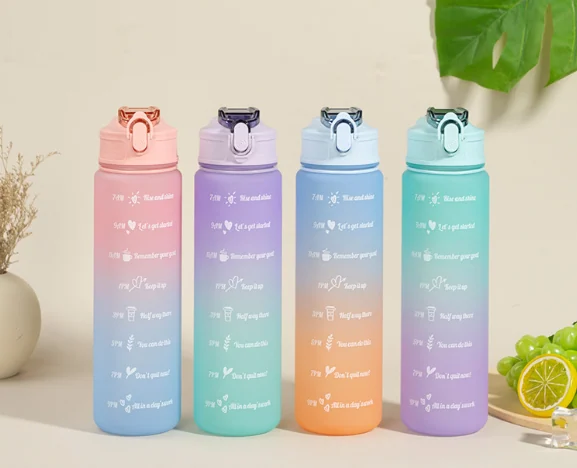
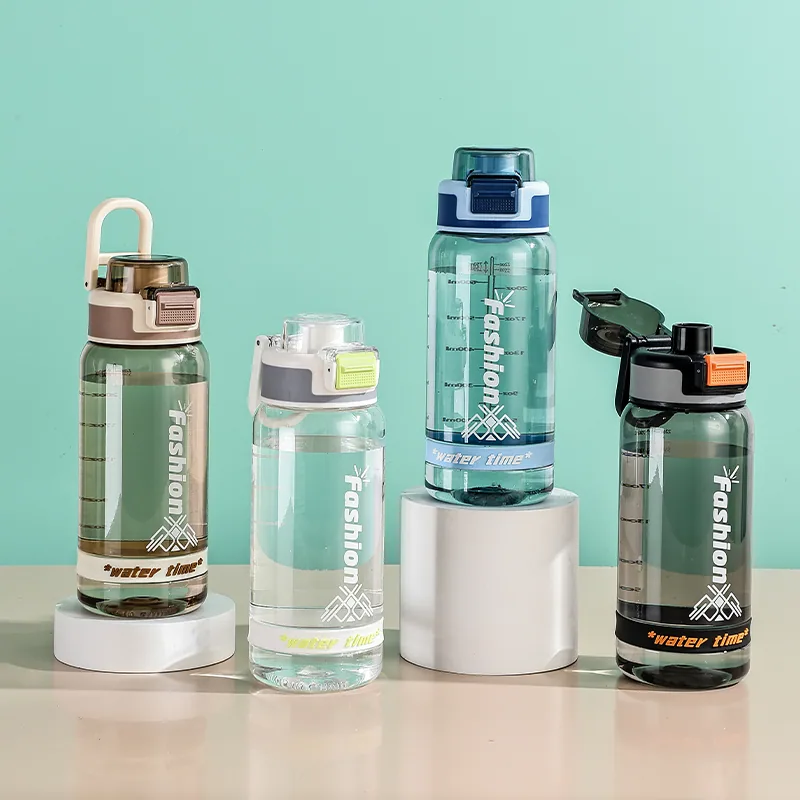
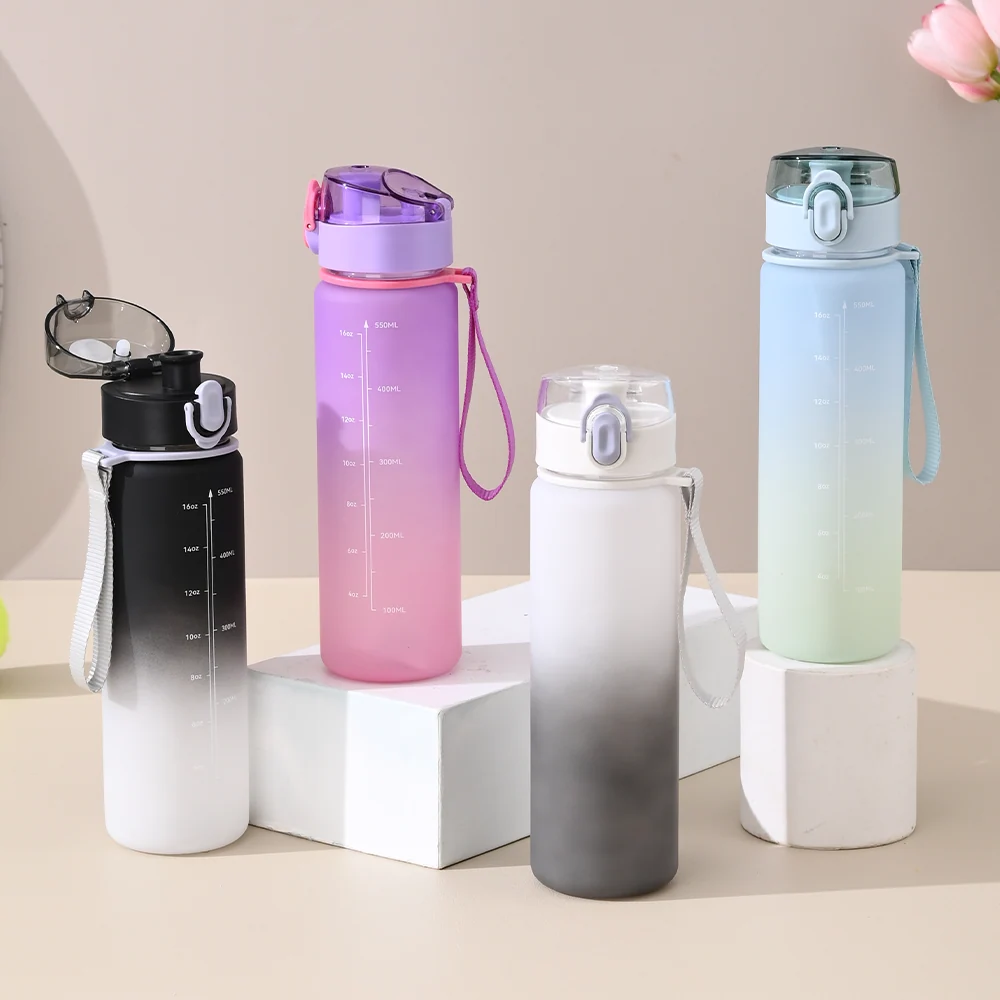
A logo that looks perfect on a flat PDF can distort on a tapered sports bottle or lose contrast on a translucent wall. We work from the actual bottle surface, resin grade, desired artwork and quantity to review suitable print or decoration options. Screen, pad, compatible transfers or other methods are considered case by case rather than promised for every polymer.
Request a printing-layout drawing or a photograph annotated with maximum width, height and distance from handles, ribs or seams. Fix the orientation of the logo relative to the spout and lid. A curved surface changes perceived proportions and may constrain multi-color registration. Separate bottle-body artwork from cap and retail-box artwork.
Screen printing is useful for some single or limited-color designs; pad printing can address smaller or irregular areas where technically feasible. Transfer or digital processes may enable more complex artwork but demand compatible plastic, inks and curing. Laser processes developed for stainless tumblers are not automatically suitable for PP, Tritan, PC or PETG.
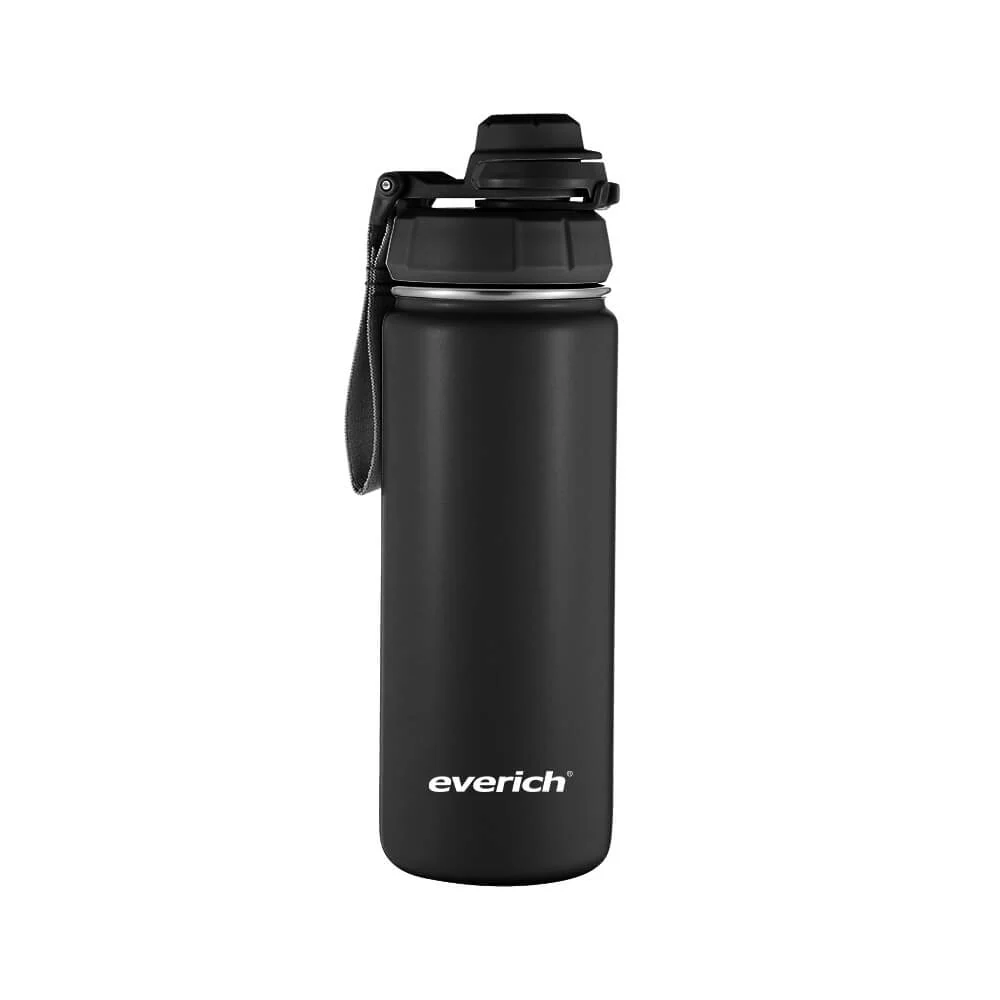
Brand colors appear different against opaque black, translucent pastel and transparent bodies. White ink backing or adjusted color separation may be necessary. Define Pantone or other references with a tolerance agreement, and evaluate the print on the actual molded-color sample under normal light rather than relying on monitor mockups.
Normal handling, cleaning and rubbing can damage some decorations. Agree on an appropriate adhesion, rub and cleaning test and inspect the printed sample after testing. Confirm where printing sits relative to drinking-contact areas and retailer packaging claims. Do not advertise permanent, scratchproof or dishwasher-safe printing without evidence tied to the chosen process.
Quote and approve logo size, print locations, ink colors, setup charges, unit print cost and packaging artwork as separate fields. Complex graphics and each SKU/color variation can change the minimum order. Keep revision IDs and a physical golden sample so a reorder does not drift from the original approved mark.
Each stage has an approval point, so production does not rely on assumptions.
Send vector artwork, logo dimensions, Pantone reference and intended SKU.
Agree printable area, print orientation and proposed method.
Check digital proof, then physical printed sample where needed.
Inspect placement, color, registration and handling resistance.
Lock artwork version, setup and color specification for production.
Providing the correct details helps evaluate materials, prices, MOQ, samples and tooling without premature promises.
Request Project Quote →Artwork width and placement must be approved on each surface—not copied from a computer mockup.
Not universally. Feasibility depends on curved geometry, plastic resin, surface treatment, production method and run size.
PNG can show the intended visual result, but editable vector artwork generally provides more reliable production dimensions and separations.
Usually the design must be mapped separately to each printable area; size and curvature changes may require a new proof.
No. It is not a universal plastic decoration method and must be reviewed for the exact resin and part. Do not assume metal-bottle techniques transfer directly.
A logo proof does not approve the bottle color or the retail pack. Keep those as separate sign-off points so product and carton revisions remain traceable.
Send a vector logo, selected bottle SKU, brand colors and proposed print locations.
Share your model numbers, estimated quantity, colors, artwork and destination country.
Get an Instant Quote →