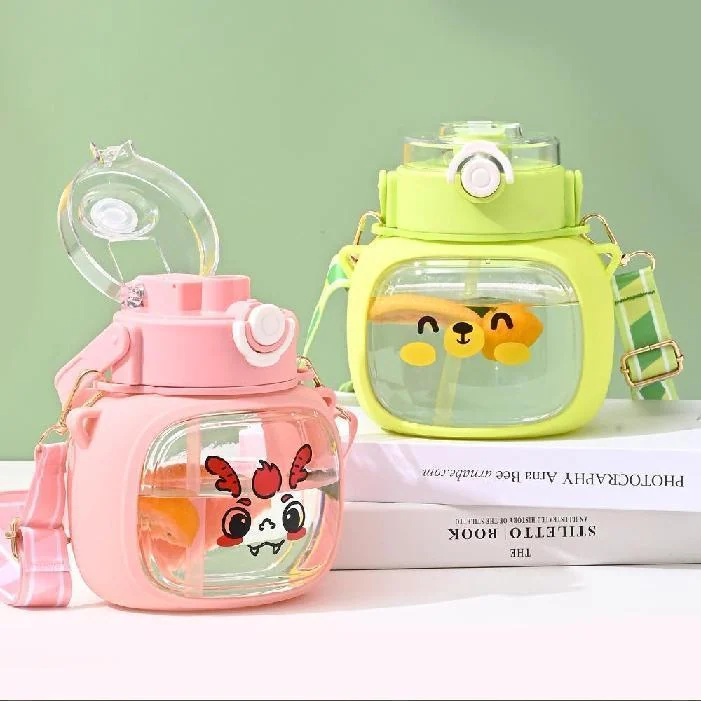
Build a model-specific QC plan covering visual finish, lid performance, materials, artwork, packing and pre-shipment inspection. These checkpoints focus on real sampling, documentation and commercial decisions for the exact plastic drinkware model.
- Sign off the exact SKU and golden sample
- List critical visual and dimensional parameters
- Define repeatable lid, seal and artwork checks
Approve what quality means before production
A factory's generic statement that it checks every bottle is less useful than a written acceptance specification. Define dimensions, capacity, materials, color reference, decorations, cap action and packaging for the specific SKU. Use an agreed physical sample and drawings. Different product families need different checks; a shaker's mixer insert and a school bottle's straw mechanism do not have identical failure modes.
Create a visual and dimensional inspection sheet
Check molded flash or burrs, visible blemishes, cap fit, unstable base, color mismatch, printed defects and carton labeling. For dimensions, identify which measures are critical for cap interchangeability, cup holders and shelf packing, and specify tolerance with the supplier. Inspect both body and lid, not only the most attractive front-facing product photo. Record results consistently across lots.
Define functional tests appropriate to use
Potential checks include closure engagement, seal integrity, repeated opening, leak resistance under stated conditions, strap attachment and print rub resistance. Sampling conditions, water temperature, orientation and duration must be agreed before testing. Do not apply unvalidated pressure or impact thresholds borrowed from unrelated stainless steel or glass products. Any product-specific test results should be traceable to the actual inspected model.
Review food-contact evidence and components
The assembled bottle may include body polymer, plastic lid, silicone gasket, soft mouthpiece, colorants and printing. Request a controlled materials list and supporting documents matching the buyer's market and intended uses. Where certification or testing is needed, ensure the report scope and dates make sense. A generic material supplier certificate cannot automatically certify a different finished water bottle.
Include packaging and shipment checks
A conforming bottle can still arrive damaged if cartons crush, inserts allow movement or labels are incorrect. Check the actual quantity per carton, master carton dimensions and weight, protective materials, carton marks and barcode data. For retail accounts, validate any shelf-ready packaging or mixed-color pack rules. Agree on shipment inspection timing before goods leave the plant.
Document defects and corrective actions
Agree on how critical, major and minor defects will be classified and how sampling decisions are made. Keep photos of deviations, lot identification, inspection reports and records of repair or replacement. If the production process or material changes, review affected tests. A written inspection trail helps prevent the same complaint from returning with every reorder.
AQL is a sampling method, not a claim of zero defects
ISO 2859-1:2026 defines acceptance-sampling schemes for inspection by attributes. It helps specify an agreed sample plan; it does not prove that a factory is ISO-certified or that every bottle in a shipment is flawless. Quality acceptance also needs separately defined critical product and functional checks.
Practical next step: Agree lot definition, severity of defects, inspection level, sample plan, cap/leak test method, carton acceptance and record of deviations before the pre-shipment inspection. Never insert arbitrary AQL thresholds into a quote.
Primary references
- ISO 2859-1:2026 — sampling schemes indexed by acceptance quality limit ↗
- US FDA: food-contact components and regulatory verification ↗
External regulations and standards are independent references, not product certification or proof of testing by XUYI. Confirm applicability and the latest rules for the exact product, destination and transaction date.
Buyer checklist
- Sign off the exact SKU and golden sample
- List critical visual and dimensional parameters
- Define repeatable lid, seal and artwork checks
- Confirm food-contact evidence per assembly
- Inspect carton packing and record corrective actions
Frequently asked questions
Is an inspection report enough to prove every bottle is perfect?
No. Inspection usually samples specified characteristics under an agreed plan; it does not guarantee zero defects. State the sample scope, results and limitations.
Should buyers test the bottle body and lid separately?
Both component checks and assembled-product functionality can be useful. A correct body resin cannot compensate for a poorly fitting closure or missing gasket.
Need a quote for a specific model?
Send the model, expected order quantity, logo requirements and destination market. XUYI can review confirmed material and customization options.
Request a Plastic Bottle Quote →