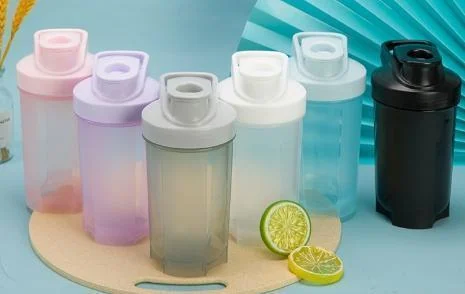
Plan wholesale shaker bottle orders around mixing inserts, graduation, lid sealing, materials and private-label branding. The following checkpoints help importers and private-label buyers compare real product specifications instead of relying on generic sales claims.
- List exact shaker and insert components
- Confirm usable volume and measurement markings
- Check lid, threads, seals and mixing mechanism
Identify which kind of shaker you want
A cup marketed as a protein shaker may include a removable whisk ball, internal mesh, mixing grid or no insert at all. List the exact components required rather than assuming the word 'shaker' specifies them. For fitness distributors, portability and cleaning may matter as much as mixing design. Review actual product photos and ask for an assembly list.
Check usable volume and graduation details
Nominal capacity, usable mixing volume and printed graduation lines can differ. Allow headspace where the application requires shaking. Confirm whether graduations are molded, printed or absent and whether customers will rely on them for measuring. Ask for sample images of the specified volume and printed units; do not inherit markings from another size in the same catalog family.
Review the lid and accessory system
A shaker cap often combines a drinking opening, main thread and one or more seals. Inspect locking force, sealing surfaces and component retention. If an insert is required, check how it is removed and cleaned. Sample-test according to the intended use, including reasonable agitation and transport; an accidental leak in a gym bag is a critical source of negative reviews.
Select materials and cleaning instructions
PP and other plastics can be used for shaker assemblies, and different parts may be made from different grades. Confirm body and lid materials, intended temperature, permitted beverages and cleaning methods for the actual SKU. Protein residue can collect under seals and in thread grooves, so designs with accessible cleaning points are useful. Do not claim dishwasher suitability without confirmed product instructions.
Plan printed branding and carton configuration
Private-label shaker buyers may want a one-color gym logo, full-color graphics, simple retail sleeves or promotional packaging. Get feasibility confirmation for decoration on the bottle surface and check whether packaging accommodates any whisk ball or spare insert. Quotes should separate blank unit, decoration setup, accessory cost, MOQ and carton pack. Ask for itemized revisions when artwork changes.
Inspect the approved sample before ordering
Look for smooth edges, good cap fit, odor, readable graduation marks, reliable insert retention and absence of sharp protrusions. Confirm that the packaging and contents match the order. Keep a signed specification and sample reference so customer complaints can be investigated against agreed criteria. A realistic sample approval matters more than generic descriptions such as 'professional shaker'.
Buyer checklist
- List exact shaker and insert components
- Confirm usable volume and measurement markings
- Check lid, threads, seals and mixing mechanism
- Specify resin, logo and packing requirements
- Validate assembled samples under intended use
Frequently asked questions
Does every shaker come with a mixer ball?
No. A shaker may contain a mesh insert, ball or another mixing mechanism. Confirm what is supplied with the quoted model.
Can shaker bottles be ordered with a printed logo?
Often yes depending on the plastic, surface and volume. Provide artwork, preferred printing positions and expected quantities for a feasibility quote.
Need a quote for a specific model?
Send the model, expected order quantity, logo requirements and destination market. XUYI can review confirmed material and customization options.
Request a Plastic Bottle Quote →