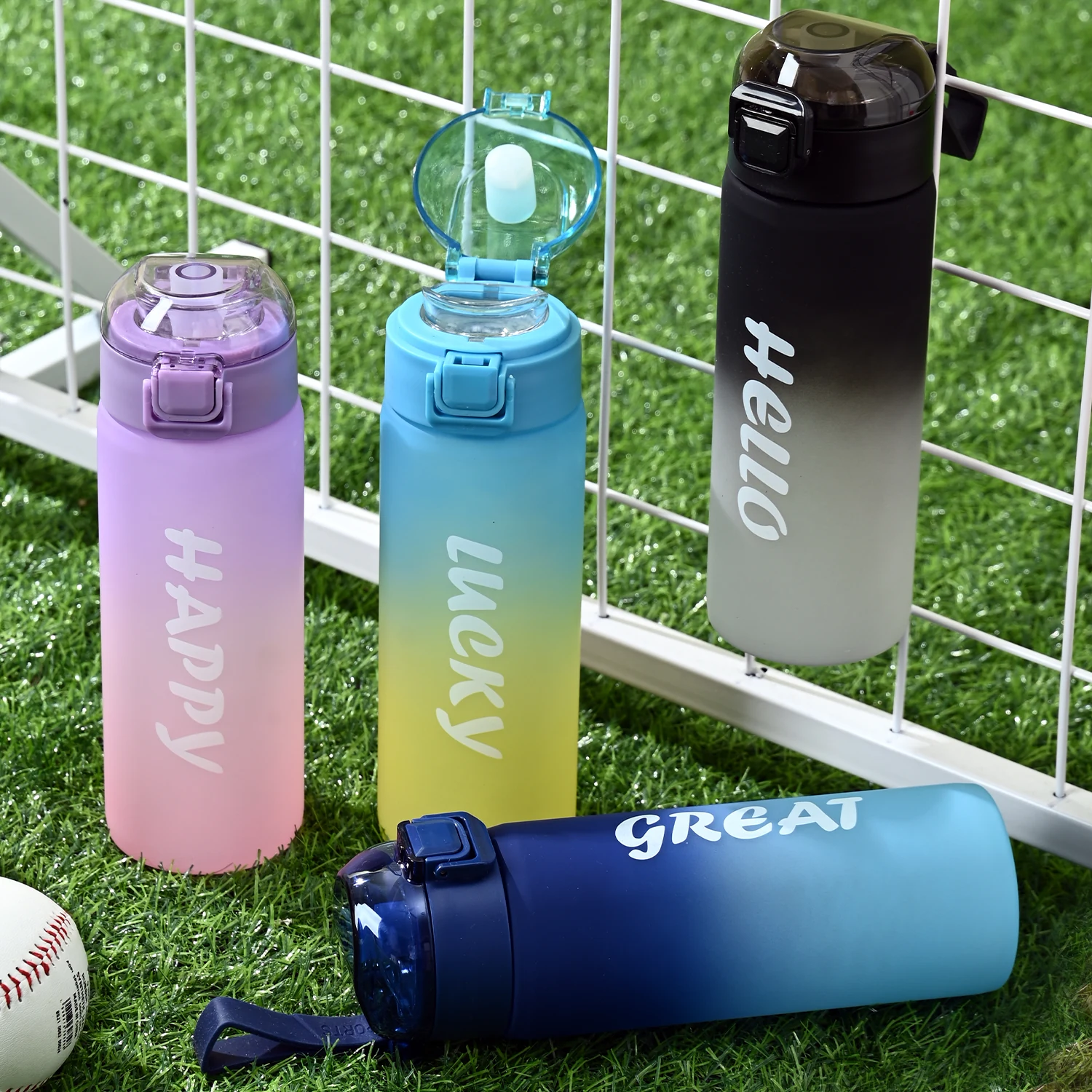
Two suppliers can quote the same nominal water bottle capacity and offer very different projects. One price may include a tested production sample, retail box and logo setup, while another may cover only an undecorated bottle in a bulk carton. A responsible comparison starts with a single buyer-controlled specification and identifies every difference that would otherwise become a change order. The objective is not to find the cheapest-looking number; it is to select the lowest acceptable, documentable cost for a clearly defined product and delivery scope.
- Use one version-controlled specification for all suppliers.
- List exact factory model and body/lid/seal components.
- Ask which food-contact reports apply to this final configuration.
Why are two water bottle unit prices rarely comparable at first glance?
Start by writing the same model, ordered quantity, quantity per color and destination on both quotation requests. A supplier may price an existing catalog bottle while another assumes a new lid, custom mold or different print method. They may use different resins, colors, packaging units, labels and inspection allowances. Ask each supplier to mark every item as included, excluded or conditional, and refuse a vague 'same as photo' description. An apples-to-apples comparison is only possible after model identity, bottle body, lid, seal, capacity, artwork and final packing have been pinned to a named specification revision. If a quote is still ambiguous, label it 'not comparable' rather than assigning it a falsely precise ranking.
What physical specifications and materials must appear on the quote?
Request a component-level bill of materials: body resin and nominal capacity, cap type, gasket and straw configuration if present, handle, colorant, decorative process and intended liquid/use conditions. Record the factory model code and confirm whether the specified options exist or require tooling changes. Ask what evidence supports any food-contact claim for the destination market and exact assembly; a generic material statement is not the same as finished-product documentation. Keep approved physical samples and acceptance notes in a shared revision log. When comparing a children's bottle, a large handled jug and a sports configuration, require each vendor to quote the correct closure rather than treating all lids as interchangeable. If exact resin or evidence is unavailable, do not market the item as Tritan or certified BPA-free. Compare bottle model 2106 as a children's-format reference; require a model-specific lid and material record before treating it as equivalent.
How do logo printing, color matching and tooling alter the real cost?
Make artwork a priced line item. List the number of print positions, colors, coverage, registration tolerances, expected durability checks and who owns the design files. Separate sample setup, printing plates, screens, new molds and recurring per-unit decoration costs; a one-off development fee should not be silently spread over every reorder. Request an approved physical color reference and ask how production differences will be handled if a second color run shifts shade. A digital mock-up cannot prove the final printed surface. If tooling is proposed, ask who legally owns it, where it is stored, what maintenance is included and how transfer or reorders work. Compare a base undecorated unit and the fully approved branded unit separately.
Does the same MOQ apply to each size, lid, color and logo?
A headline minimum order quantity may apply to a single bottle/body or to the total purchase, not to every SKU and colorway. Create a variant grid with model, color, cap, artwork, units and separate setup fee; ask the factory to quote each row. Confirm whether mixed cartons are allowed, and whether a change of lid or printed logo creates a new production batch. A lower unit price at a much higher quantity might increase inventory exposure and working capital. Compare minimum feasible order, planned first purchase and likely repeat-order tier rather than comparing unmatched price breaks. Reconcile total units with master cartons and expected over/under-delivery tolerance before signing. Treat offered price tiers as quotations to validate, not guaranteed market benchmarks. For larger-format comparisons, use large jug model 2305 only as a catalog reference and verify packing, closure and quantity assumptions.
What should be included in packaging, inspections and export readiness?
Price the actual inner packing, protective dividers, retail carton if specified, instruction insert, barcode or SKU label, master-carton configuration and pallet arrangement where required. Ask for sample carton dimensions and weight, then reconfirm on the approved production pack. Include inspection arrangements, agreed defect categories, retest fees, sample retention and the process for defects found before dispatch. A supplier may quote an EXW unit while the buyer assumes documents, loading and freight are included; those are different contracts. Before you choose, compare packaging requirements from your distributor or 3PL, possible scan verification, carton count and ownership of rejected stock. Avoid asserting a packaging performance result until its test method, sample and acceptance criteria are documented. A decorated large-format option such as LO-001 water jug illustrates why image, handle, printing and carton scope should be quoted separately.
How do you compare Incoterms, payment milestones and landed cost?
Write the chosen Incoterms rule and named place, not just three letters: for example, FOB with a named port has a different division of responsibilities than EXW at a named facility. Ask freight agents for independently dated transport quotations tied to the same cargo dimensions, weight and destination; include insurance, import taxes/duties, local delivery, clearance, storage and foreseeable handling in your estimate. An illustrative per-saleable-unit comparison is (goods plus decoration plus one-time fees allocated to this order plus freight plus import/handling plus documented expected rework) divided by units that meet acceptance criteria. Treat duty classification, customs value, freight and exchange rates as market-specific estimates, not as figures the bottle manufacturer can guarantee. Payment terms should identify sample sign-off and inspection release milestones.
How should a buyer choose a supplier after all quotes are normalized?
Use an evidence table rather than a single lowest-price column. Mark each requirement pass, conditional or unresolved; request the missing sample, report, packing drawing or revised proforma before advancing. Define a hold point for body/lid materials, artwork proof, first article sample, packaging confirmation and preshipment inspection. Ask what triggers a cost change and whether a buyer must approve substitutions in writing. Score responsiveness and corrective-action quality using documented exchanges rather than promises. The preferred offer is the one that meets the buyer's verified specification with a transparent total cost, workable risk allocation and repeat-order plan. Save the final specification revision and quotation comparison with the purchase order so that the same assumptions survive handover to your logistics and QC teams.
Quote comparison: normalize the scope
Use this worksheet row by row before discussing a price award. A missing item is an open question, not a free inclusion.
| Cost / risk item | Evidence to request | Common comparison error |
|---|---|---|
| Bottle and cap | Specific SKU, bill of materials and approved physical sample | Different closures described as identical |
| Artwork and setup | Print proof, positions, one-time fees, tooling ownership | Setup hidden in unit-price comparison |
| Variants and MOQ | Quantity per color, cap and logo with tiers | Total MOQ mistaken for per-variant MOQ |
| Packaging | Retail and master carton diagrams, measurements and labels | Transport-ready packaging assumed included |
| QC and documents | Lot inspection criteria, relevant sample reports and correction plan | A generic report accepted for every assembly |
| Delivery | Rule plus named place, independent freight and destination charges | EXW compared directly with delivered pricing |
Buyer decision criteria, not XUYI certification, published MOQ or guaranteed delivery times. Verify the exact model and market requirements.
Buyer checklist
- Use one version-controlled specification for all suppliers.
- List exact factory model and body/lid/seal components.
- Ask which food-contact reports apply to this final configuration.
- Show printing, setup and tooling as separate cost lines.
- Break quantities down by SKU, lid, color and artwork.
- Specify retail pack, master carton and labels.
- Quote identical Incoterms rules with a named delivery place.
- Request dated freight and import-cost estimates independently.
- Attach golden sample, QC acceptance and correction conditions.
- Compare total acceptable-unit cost, not headline unit price.
Frequently asked questions
Can I compare suppliers by their lowest quoted unit price?
Only after confirming equivalent materials, lid configuration, branding, quantities, packaging, delivery scope and acceptance conditions. Otherwise a low price may simply exclude expensive parts of the same project.
Should sample, artwork and tooling fees be included in unit cost?
Show them separately and calculate an order-specific effective cost. Confirm whether tooling or setup is reusable on future orders and whether the buyer owns the mold or printing assets.
Why does an EXW quotation differ from a FOB quotation?
They allocate costs and responsibilities differently, and the named location matters. Calculate the same final delivery point for each quotation with independent freight and customs information.
What if a supplier cannot confirm the resin or finished-product reports?
Mark the relevant requirement unresolved and request component-level documentation or testing before approval. Do not turn an unsupported marketing term into a compliance statement.
Need a quote for a specific model?
Send the model, expected order quantity, logo requirements and destination market. XUYI can review confirmed material and customization options.
Request a Plastic Bottle Quote →