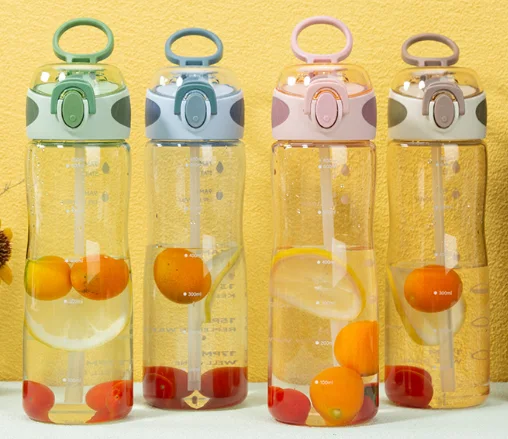
Distributors rarely lose money only because they chose one unpopular color. Problems also arise when a wholesale assortment contains redundant SKUs, incompatible spare lids, cartons that do not fit warehouse processes, and sales promises unsupported by factory specifications. A deliberate range should serve distinct buyer needs while leaving enough operating room for inspection, replacement and repeat orders. This guide offers a category-management worksheet for importers and regional wholesalers. It does not guarantee margins, demand or sales volumes for any particular XUYI product.
- Identify retail, gym, school, event and hotel buyer segments.
- Give each selected model a distinct customer use case.
- Verify factory model, capacity, material and closure facts.
Which customer groups should the assortment actually cover?
Map customers into segments such as sports retailers, gym studios, event merchandise buyers, school distributors and hospitality procurement teams. Ask each segment what capacity, carrying format, closure and unit pack it genuinely buys instead of filling every shelf with near-identical models. Describe the job of each product in one sentence: compact everyday sports bottle, larger carried water jug or mixing-style shaker, for example. Use documented model data and actual customer feedback to test whether two variants offer different value. A distributor might need a small, defensible core range and a separate sample-only catalogue for niche requests. Never present unverified factory capabilities or certifications as selling points.
How should a buyer compare different product families without inventing facts?
Create a factual comparison sheet for the exact model code, category, capacity in milliliters, closure, material declaration, accessories, carton count, physical dimensions and source images where the factory has confirmed them. Some categories are not substitutable: a shaker, kids-format bottle and handled large-capacity jug have different buyer workflows. Use size-class oz terminology only as an approximate marketing guide when the site’s vetted mapping supports it. Do not turn a proposed Tritan or BPA Free customization enquiry into a current product attribute. Leave unknown numbers blank and request factory evidence before quoting them to customers. Retain actual samples for side-by-side testing of grip, filling, seal fit and retail appearance. Shaker reference shaker model 501 should be compared as its own assembly rather than treated as interchangeable with sports closures.
How can the sales team control assortment complexity?
Build a SKU matrix with one line per model, color, cap/closure, print version and unit pack that will really be stocked. Mark some variants as quote-only or made-to-order if their stock risk is too high. Establish which parts are standardized or independently purchasable, but do not assume visually similar lids work across models. Check the supplier MOQ for each selected combination, not just an aggregate quantity on a price list. Define whose approval is needed before adding a new version. More product pages do not automatically imply more saleable inventory; a focused in-stock selection with truthful detail can improve service levels. Document how sales staff should respond when buyers request a nonstock color.
What demand evidence should influence the first stock allocation?
Ask for recent distributor customer orders, seasonal purchase patterns, qualified inquiries and any confirmed program contracts, separating evidence from optimistic forecasts. Allocate initial capital to models with a clear use case and avoid buying an untested slow color just to meet a price bracket. Calculate both unit price and full landed cost including packaging, freight, warehousing, damage and payment terms. Run conservative and expected sell-through scenarios and note when cash is recovered under each. Set reorder points from observed lead times and demand variability, rather than pretending every factory lead time or sales season is fixed. When new channels request a variant, run a small controlled pilot before adding permanent stock. For a handled higher-volume category, use water jug model 2305 only after checking verified capacity, case dimensions and stocking economics.
How do cartons and warehouse handling change the recommended range?
Request true master-carton quantities, dimensions, weight, protection and marking for each factory model and finished logo variant. Examine whether the items can be picked as individual units, full cases or mixed buyer cartons without damaging printed finishes. A large handled jug can create a very different storage and shipping profile from a compact sports bottle even when its margin looks attractive on paper. Compare shelf space, handling time and 3PL charges using actual warehouse quotes. Decide whether regional customer orders will ship directly from the factory or via consolidated distributor stock. Keep unique case labels and receiving records tied to the exact SKU. Avoid publishing invented universal freight or duty rates.
Which quality and after-sales checks deserve a place in assortment approval?
Assess each candidate with a retained physical sample, agreed finish criteria and written inspection requirements for body, closure, seals, print and pack completeness. Request supporting material or food-contact records only where applicable, and avoid absolute leakproof, temperature or dishwasher claims without a validated method and scope. Discuss defect handling, spare lids and parts availability before committing to long-term stocking. Record actual repair or return reasons by model and lot so a buyer can identify an isolated issue without delisting an entire family. Train sales and customer-service staff to use verified specification sheets; product identity, claims and service must remain consistent across catalogue, invoice and replacement request. A kids-format catalog example such as bottle model 2106 requires separate target-market and user-age review before the distributor describes its suitability.
How should distributors decide what to keep, expand or discontinue?
Review margin after landed and service costs, days in stock, order recurrence, damaged units, returns and customer requests at a planned interval. Compare alternatives by customer job and total contribution, not unit sales alone. Retain factory sample versions and approval records so reorders do not introduce a silent lid or material change. Establish a slow-moving SKU policy and a path for customer-specific quotes without forcing speculative stock. When adding a new product family, require a live sample, evidence for claims, packing data and clear ownership by a sales segment. A catalogue can show more possibilities than the warehouse holds, provided availability is not misrepresented and buyers know what requires confirmation.
Distributor assortment scorecard
Evaluate operational evidence and real customer use before adding a stocked variant.
| Category decision | Evidence required | Buyer outcome |
|---|---|---|
| Segment coverage | Named customer use cases | Distinct purpose |
| Verified product | Actual assembly and source specification | No invented claims |
| Stock investment | MOQ, landed cost, demand cases | Capital exposure understood |
| Warehouse fit | Carton and picking data | Handling costs accounted |
| Supportability | Quality criteria and spare-part codes | Returns can be addressed |
| Range review | Sales, age and margin by SKU | Retain or discontinue choice |
Buyer decision criteria, not XUYI certification, published MOQ or guaranteed delivery times. Verify the exact model and market requirements.
Buyer checklist
- Identify retail, gym, school, event and hotel buyer segments.
- Give each selected model a distinct customer use case.
- Verify factory model, capacity, material and closure facts.
- Keep unsupported safety or performance claims out of sales copy.
- Separate physical stock SKUs from quote-only variants.
- Confirm MOQ by model, color and branding combination.
- Calculate landed costs and realistic sell-through cases.
- Record carton size, pick method and warehouse charges.
- Obtain quality samples and exact replacement-part codes.
- Review stock age, returns, margins and approved revisions.
Frequently asked questions
How many SKUs should a new distributor launch with?
There is no universal optimal count. Start with models serving separate verified buyer needs, then choose a stock budget and expand based on demand and operational data.
Are shaker bottle lids interchangeable with sports bottle lids?
Do not assume so. Require exact part numbers, confirmed assembly compatibility and a physical sample check for each model.
Should distributors advertise Tritan or BPA Free for every plastic bottle?
No. Only make claims supported for the exact finished product and destination. Custom material enquiries are not equivalent to existing product certification.
What is the safest way to add a new seasonal color?
Confirm MOQ and lead time, keep a separate SKU and sample approval, pilot demand where practical, and decide whether it will be stocked or quote-only.
Need a quote for a specific model?
Send the model, expected order quantity, logo requirements and destination market. XUYI can review confirmed material and customization options.
Request a Plastic Bottle Quote →