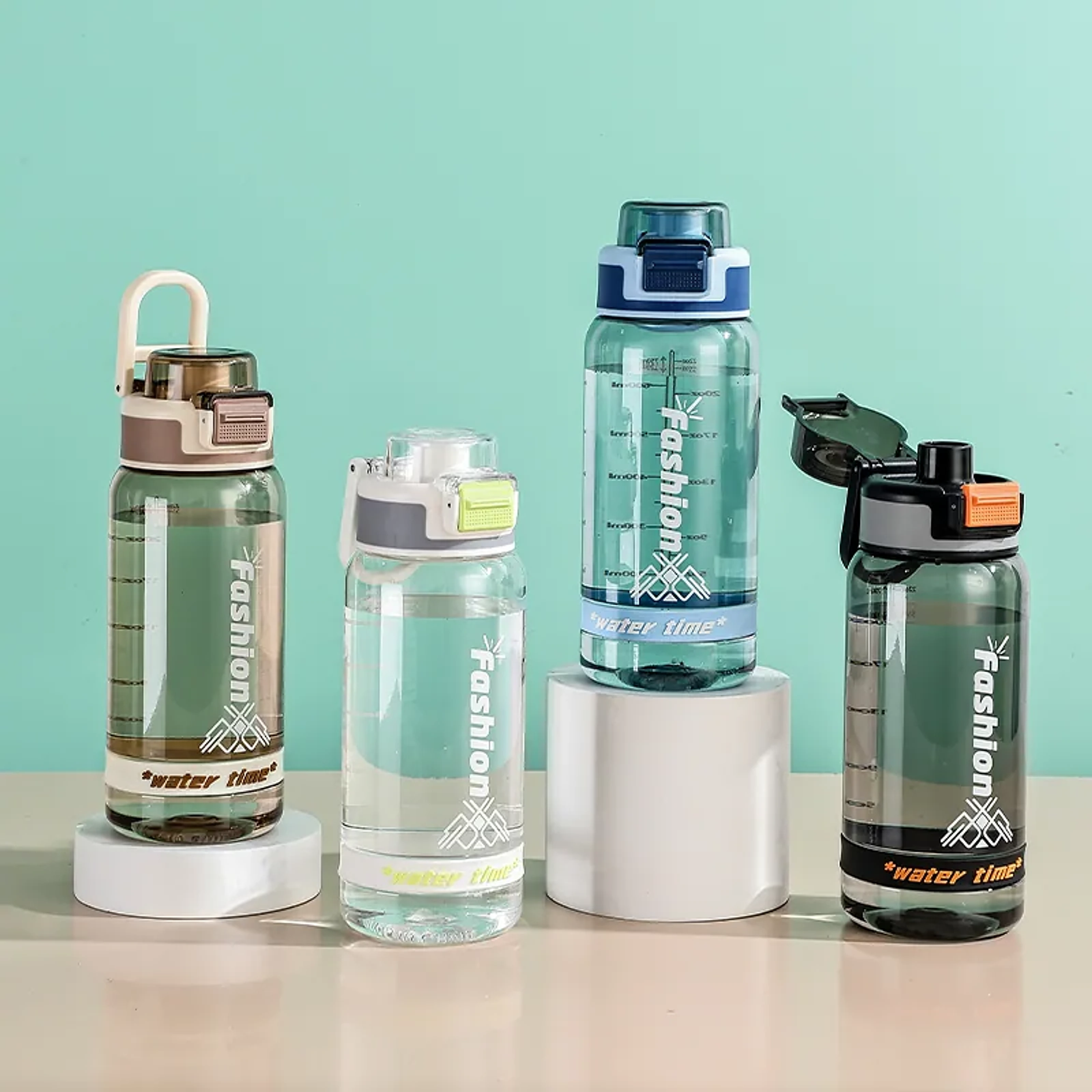
Coffee shops buy reusable bottles for counter sales, loyalty rewards and seasonal merchandise, but each use changes the right format and order quantity. This guide helps cafe buyers compare real SKUs, approve artwork, calculate landed cost and plan replenishment without assuming every model supports every option.
- Define retail sale, loyalty gift or campaign use.
- Set a target price and realistic first-order quantity.
- Verify the exact model, cap and catalog capacity.
Define the role of the bottle in the coffee shop offer
A coffee shop may sell reusable bottles at the counter, include one in a loyalty reward, bundle it with beans, or use it for a seasonal launch. Those uses create different retail prices, quantities and artwork needs. Decide whether the bottle is a product for sale or a promotional expense before comparing quotations. Estimate weekly sales or campaign recipients separately from walk-in traffic, then set a first order the business can store and finance. The bottle is only one line in the offer: the logo, label, barcode, packaging and replenishment plan also affect how easily staff can explain and sell it. A wholesale quote should identify the exact model and requested decoration, not simply say “custom bottle.” Ask the supplier to mark confirmed options separately from items requiring sample review.
Match the format to counter sales and everyday carry
A bottle displayed beside coffee beans has to earn shelf space, while a loyalty gift should remain useful after the customer leaves the shop. Compare physical samples for height, footprint, grip, opening and cap, and check whether the bottle fits the paper bag or gift bundle used at the counter. Catalog capacity alone does not tell you how the finished product feels or how much room it needs in a retail display. Choose a size that fits the price point and target customer, then request the current product record for that SKU. Do not assume every lid, color or finish is available on every model. For a pilot, use one approved configuration and avoid mixing variants until staff can track the barcode, stock level and reorder trigger for each one. Use Model 2400 · 380 ml catalog bottle as a compact-size comparison; confirm the actual cap, decoration area and packaging configuration before the quotation.
Prepare the cafe logo for a curved plastic surface
Send a clean vector file and specify the logo version, print area, orientation, colors, clear space and any accompanying text. A logo that looks balanced on a flat screen may wrap too close to a seam or become difficult to read on a curved bottle. Ask which decoration methods can be assessed for the exact model, and request a physical or otherwise agreed production-representative proof before approving bulk work. If the cafe has several branches or a partner logo, identify the approval owner and separate each artwork revision. A digital mock-up does not prove color match, abrasion resistance or suitability for washing; define acceptance criteria and product-specific tests where needed. Keep the final art file, sample photos, date and approval message together.
Calculate the landed cost and the retail margin
Compare quotations on the same basis: exact bottle model, catalog capacity, cap or accessories, decoration, individual packaging, carton quantity, shipping method and destination. A lower unit price can become more expensive if logo setup, sampling, barcode labels, protective packing or freight is quoted separately. Ask the supplier to show assumptions and identify charges that change with quantity or artwork. Calculate cost per saleable unit after freight and handling, then compare it with the planned shelf price or loyalty budget. Keep resale stock separate from free promotional stock because packaging and accounting may differ. Request the minimum order for the chosen configuration rather than assuming one minimum applies to every color or print. Compare Model 2095 · 500 ml catalog bottle for a mid-size retail concept, but treat the listing as a starting point and approve the decorated production sample.
Plan stock by branch, color and replenishment trigger
For a multi-location cafe, list quantities by branch, SKU, approved artwork and destination before placing the order. If stores use different branch names or campaign messages, treat those as separate artwork versions and confirm whether they affect setup, minimums or packing. Agree on carton labels that identify model, quantity, color, logo revision and receiving location; a vague label makes receiving and transfers harder. Check carton dimensions and gross weight before planning storage or courier collection. Set a reorder trigger using observed sales, supplier-confirmed production timing and an affordable buffer. Do not promise a seasonal launch date until sample approval, production slot and transport are confirmed. For repeat orders, verify that the quote matches the same model and components.
Approve a decorated sample and agree on inspection
The sample should represent the actual bottle body, cap, logo placement, color and packaging expected in the order. Record acceptance points before bulk production: visible print defects, scratches, cap fit, component count, label position, carton condition and any other issue important to a customer-facing sale. Use photos with a clear model and revision identifier so the factory, cafe team and receiving staff compare the same version. A general product photo or an unbranded sample does not prove that the decorated batch will match the final artwork. Agree how many units will be checked, how defects will be reported and who can approve rework or release. Keep a retained sample or dated approval record for later complaints, claims and reorders. Review Model 2401 · 650 ml catalog bottle as a larger-volume comparison and confirm dimensions, lid details and carton packing against the current model record.
Turn the first order into a reusable buying record
After delivery, reconcile ordered, received, saleable, damaged and distributed quantities. Record which branch received each carton, whether the barcode scanned correctly, how customers responded to the format and whether the printed logo matched the approved sample. Compare sell-through and feedback before increasing the next order; a busy weekend alone does not prove every color or size will sell. Keep model, cap configuration, approved artwork, packing instructions, carton details, price assumptions and supplier contact in one record. For a new seasonal design, create a new revision rather than overwriting the old file, and confirm price or minimum changes in writing. A repeat order should follow the last approved specification plus explicit changes, not memory or an old image.
Cafe merchandise purchase gates
Approve the sellable specification before releasing a bulk order.
| Gate | Evidence to keep | Release decision |
|---|---|---|
| Use case | Retail, loyalty or campaign plan | Order purpose defined |
| Model | Actual sample and SKU | Format accepted |
| Artwork | Vector file and approved proof | Logo released |
| Economics | Decorated landed-cost comparison | Margin approved |
| Packing | Case labels and branch split | Receiving ready |
| Quality | Sample and defect record | Bulk release documented |
Buyer decision criteria, not XUYI certification, published MOQ or guaranteed delivery times. Verify the exact model and market requirements.
Buyer checklist
- Define retail sale, loyalty gift or campaign use.
- Set a target price and realistic first-order quantity.
- Verify the exact model, cap and catalog capacity.
- Test the bottle in the counter display and gift bag.
- Approve vector artwork and a decorated sample.
- Confirm print method, colors and setup charges.
- Compare landed cost, packaging and freight assumptions.
- Split cartons by SKU, branch and artwork revision.
- Agree defect criteria and receiving inspection.
- Save the approved sample and reorder specification.
Frequently asked questions
Should a coffee shop start with several bottle sizes?
Usually begin with one clearly defined SKU for a pilot unless sales data supports a wider assortment. Confirm model, capacity, cap, packaging and minimums before splitting quantity across variants.
Can the cafe logo be printed in any color?
Color and decoration options depend on the exact model and process. Supply approved artwork and review a production-representative sample; a screen mock-up alone does not establish final color or durability.
What should be included in a wholesale quote?
Request the exact model, component configuration, decoration, setup costs, packaging, carton quantity, shipping assumptions, minimum order and confirmed timeline. Separate estimates from confirmed charges.
How should a cafe plan repeat orders?
Use observed sell-through, stock on hand and supplier-confirmed timing to set a reorder trigger. Keep the approved model, artwork revision, packing details and purchase record so the next order matches the accepted version.
Need a quote for a specific model?
Send the model, expected order quantity, logo requirements and destination market. XUYI can review confirmed material and customization options.
Request a Plastic Bottle Quote →