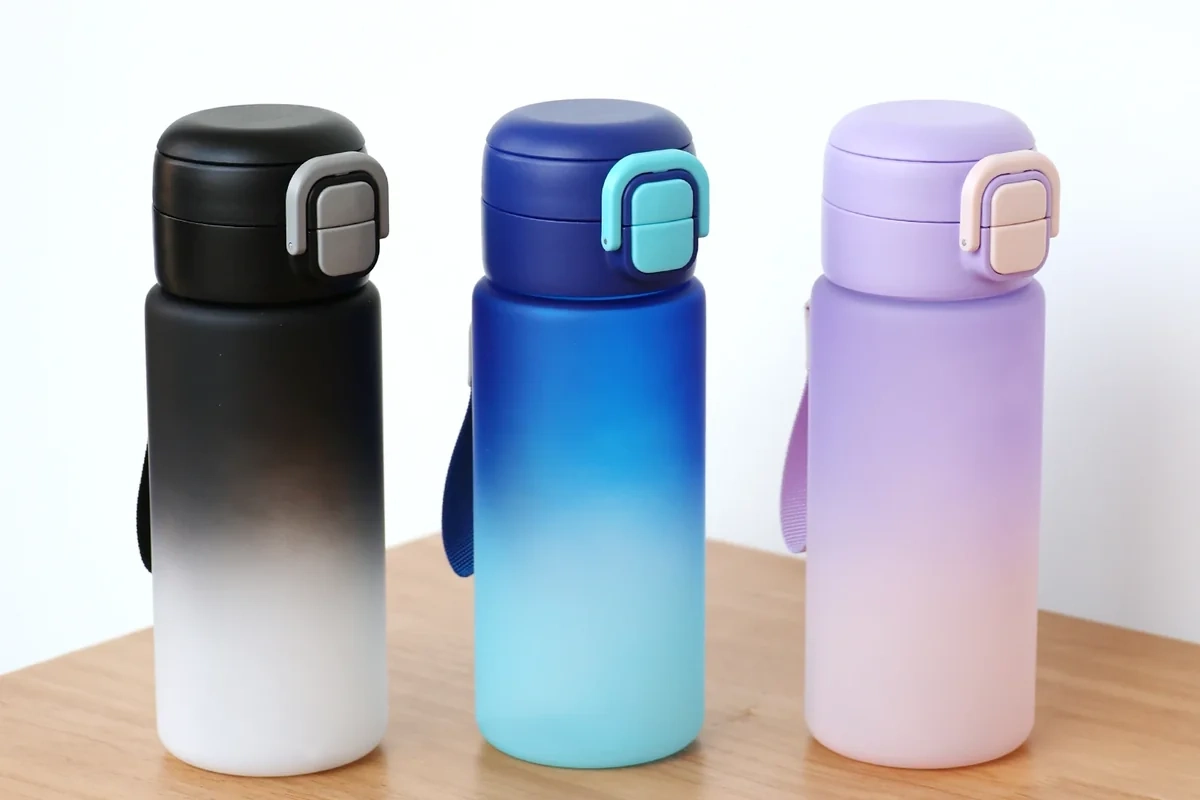
A convenience-store reusable bottle assortment must be easy to recognize, fit the physical shelf and replenish with simple case packs. This wholesale guide helps travel-plaza and neighborhood-store buyers shortlist distinct models, verify labeling and cost, approve cartons, inspect incoming goods and use sales data to decide whether the range deserves more shelf space.
- Define customer needs and physical retail fixtures.
- Select a narrow trial assortment of genuine SKUs.
- Check full bottle and cap fit on the shelf.
Choose the range from store needs rather than catalog variety
Start with the actual fixture, customer mission and point-of-sale information for each store type. A neighborhood location may need a different mix from a travel-plaza checkout, even when both want reusable bottles. Decide how many shelf positions can be allocated and what functional differences customers can understand at a glance. Rather than ordering every available color, choose a small initial range that contrasts an approved compact carry model with a different size or lid style. Record the real SKU, sample and target retail price for each slot. Ask store managers where products will be placed, how backroom space is organized and whether gift-oriented packaging is useful. A catalog assortment is not evidence of the item or cap that will arrive. Keep the purpose of every chosen model in the buying plan, whether it is daily commuting, a seasonal gift or an impulse purchase. Split expected quantities by branch and avoid projecting sales from a photograph or a competitor's headline. A disciplined assortment test allows the buyer to learn which genuine product attributes drive sell-through without creating unnecessary stock variants.
Measure physical samples on the real retail fixture
Put a sample bottle with its final cap and packaging on the actual shelf, peg display or checkout table. Check height, depth, base stability, print visibility, access for customer inspection and whether the number of units per facing is realistic. A lid that projects sideways can create a different footprint from the bottle body itself. Verify that the actual packaged item can be replenished quickly by staff and that the packaging does not hide the product label or barcode. Ask the supplier for exact body and closure materials and the required documentation for the destination market. Never assume the appearance of plastic proves a specific resin, heat resistance, dishwasher safety or a leakproof guarantee. Compare at least one physical sample per selected SKU and version; a similar silhouette does not mean a compatible seal or cap. Save fixture measurements and sample photographs in the buying file. If a format cannot sit safely on the available shelf, reject it or revise the display plan before issuing a full-store purchase order. Use Model 2100 · 650 ml catalog bottle as one catalog reference when comparing souvenir formats; verify the actual color, cap and available decoration for the selected SKU.
Make barcodes, capacity and claim review explicit
Retail staff need scannable identifiers and understandable product labeling, not simply a decorative logo. Assign responsibility for barcode creation, packaging artwork, product description, origin, care directions and any market-specific warning. Test the barcode with the intended point-of-sale terminal and confirm that the label will remain visible with the cap fitted. If the buyer requests private-label packaging, provide a controlled art file and a proof signed by the appropriate trademark owner. Where the factory provides ml data and the store markets familiar oz classes, retain the exact source ml specification and identify the oz size class as approximate where appropriate, not an exact conversion. Never invent testing or compliance status, or publish a materials claim copied from a different bottle. Request model-specific documents before making product claims in signage. Keep barcode, model, cap variant, color and packaging revision linked to one stock-keeping unit. A small mismatch at this stage can cause point-of-sale failures, mispicks and consumer confusion across several shops.
Compare item economics at the carton and store level
Collect comparable quotes that identify each model, color, decoration or packaging variant, unit price, sample, setup, freight and destination. Calculate landed cost per usable item and compare with the planned shelf price, promotional discounts and ordinary retail shrinkage. Ask whether minimum order quantities apply to each color separately and whether mixed cases are actually available. Do not assume a low catalog unit price includes the shipping or small-format store handling required for a multi-location chain. Use carton dimensions and weights to estimate backroom occupancy and branch replenishment work. A variant with slow turnover can tie up cash even when it provides an attractive display. Distinguish quotes from verified purchase commitments, and document any tariffs or import-related assumptions with the buyer's logistics advisor. Approve a first trial based on a defensible stock and margin worksheet, then hold back broad rollout until sell-through is measured. Pricing needs to reflect actual saleable units, not a headline that ignores unsold colors and damaged arrivals. Compare the different form factor of sports bottle model 2516 before assigning a second SKU to regional offices.
Write carton instructions for busy store receiving
A mixed carton that is difficult to identify can defeat an otherwise sensible procurement plan. Require clear outer labels naming the exact SKU, color, barcode or internal stock code, count and destination store. Ask the supplier for carton dimensions, gross weight, unit pack type and an allocation list that matches the purchase order. If a distribution center splits stock for several branches, agree which tasks the factory performs and which are handled by the local 3PL. Keep retail display units, saleable backroom stock and rejected items separately recorded. Determine whether packaging can protect the cap and printed surface while remaining easy for shop assistants to unpack. Confirm delivery access and receiving contacts rather than assuming all stores can accept the same type of pallet. Test one inner pack with the staff who will shelve the bottle. The aim is to minimize relabeling, case breaking and confused restocking, especially when the range contains several similar-looking reusable bottle variants.
Inspect physical labels and component completeness
At goods receipt, compare representative items to the approved physical model and artwork proof. Look for wrong caps, missing seals or carry parts, scratches, color or print differences, damaged packaging, inaccurate barcodes and cartons with incorrect quantities. Sample cartons across the shipment so the check covers more than the top display layer. Agree with the supplier what constitutes a critical or cosmetic issue and how replacement or credit evidence should be submitted. Record accepted, rejected and damaged units by SKU, with dated photographs where appropriate. A store receiving check can catch visible problems, but does not establish microbiological or chemical compliance. Confirm any claimed product certification through the relevant documents for the exact item and market. If several color variants share a similar appearance, use their actual stock labels during inspection to avoid counting or returning the wrong option. Reconcile usable stock before staff begin shelving and verify that the POS file contains the approved unit information. Check Model 2099 · 550 ml catalog bottle as a second shelf-size reference, then compare the approved sample, barcode placement and case label with the purchase specification.
Let weekly sales data decide the next assortment
Review sales per model, color, location, shelf facing and promotional period alongside remaining usable stock. Separate genuine repeat demand from one-off campaign giveaways or deep markdowns. Ask staff which bottle formats are easy for customers to understand, but do not treat anecdotes as tested performance claims. Reconcile supplier credits, returns and outstanding damaged stock so the buying file shows the true cost of the trial. Retain the exact model, approved cap and accessories, label artwork, barcode, carton configuration, price basis and receiving findings for the next purchase. Reconfirm the vendor's availability and current minimums rather than assuming past terms continue indefinitely. Establish a reorder threshold from observed weekly movement and the confirmed replenishment lead time. If one format sells reliably, expand it before introducing many new colors. This approach helps a convenience retailer build a small, accountable reusable-drinkware program rather than a decorative display with uncertain turnover.
Convenience store buyer release gates
Use actual source and store evidence rather than catalog claims to release each step.
| Gate | Evidence to retain | Approval |
|---|---|---|
| Range | SKU, shelf and target shopper plan | Trial approved |
| Display | Real model and cap fixture measurements | Shelf fit accepted |
| Claims | Label, barcode and material records | POS data signed off |
| Cost | Landed cost and case-pack comparison | Margin reviewed |
| Delivery | Carton code and store split | Receiving ready |
| Reorder | Sell-through and usable stock log | Next order justified |
Buyer decision criteria, not XUYI certification, published MOQ or guaranteed delivery times. Verify the exact model and market requirements.
Buyer checklist
- Define customer needs and physical retail fixtures.
- Select a narrow trial assortment of genuine SKUs.
- Check full bottle and cap fit on the shelf.
- Confirm materials and destination-market labels.
- Approve a scannable barcode and retail proof.
- Model landed costs, case packs and SKU minimums.
- Specify store and 3PL carton allocation.
- Agree inspection, short shipment and credit rules.
- Monitor sell-through and returns by variant.
- Use evidence-based reorder thresholds.
Frequently asked questions
How many bottle models should a small store trial?
Start with a few differentiated formats based on shelf space and observed demand. Expand only when sell-through supports more variants.
Can a retailer mix colors inside a wholesale case?
Only if the supplier confirms an exact mixed-case packing configuration and minimums in writing. Do not assume it is available for all models.
What must be checked before displaying a bottle for sale?
Verify actual SKU, packaging and barcode, labeling and applicable market documentation, then inspect samples against the purchase specification.
Should every convenience-store branch carry the same range?
Not automatically. Compare each store's fixture, customer mix and sales history and allocate stock according to measured demand.
Need a quote for a specific model?
Send the model, expected order quantity, logo requirements and destination market. XUYI can review confirmed material and customization options.
Request a Plastic Bottle Quote →