
Coworking operators increasingly think of reusable bottles as one possible item in a member welcome kit, reception retail offer or community event package. The sourcing question is not only which logo looks attractive: procurement must align member starts, shared-space suitability, packaging, location-level stock and approvals from multiple brands. This guide explains a disciplined wholesale purchase process without inventing production claims or assuming a particular bottle has been tested for every use.
- Forecast confirmed member starts separately from events.
- Assign a stock owner at each coworking branch.
- Review exact body and closure samples at desks.
Forecast welcome-kit demand by memberships and locations
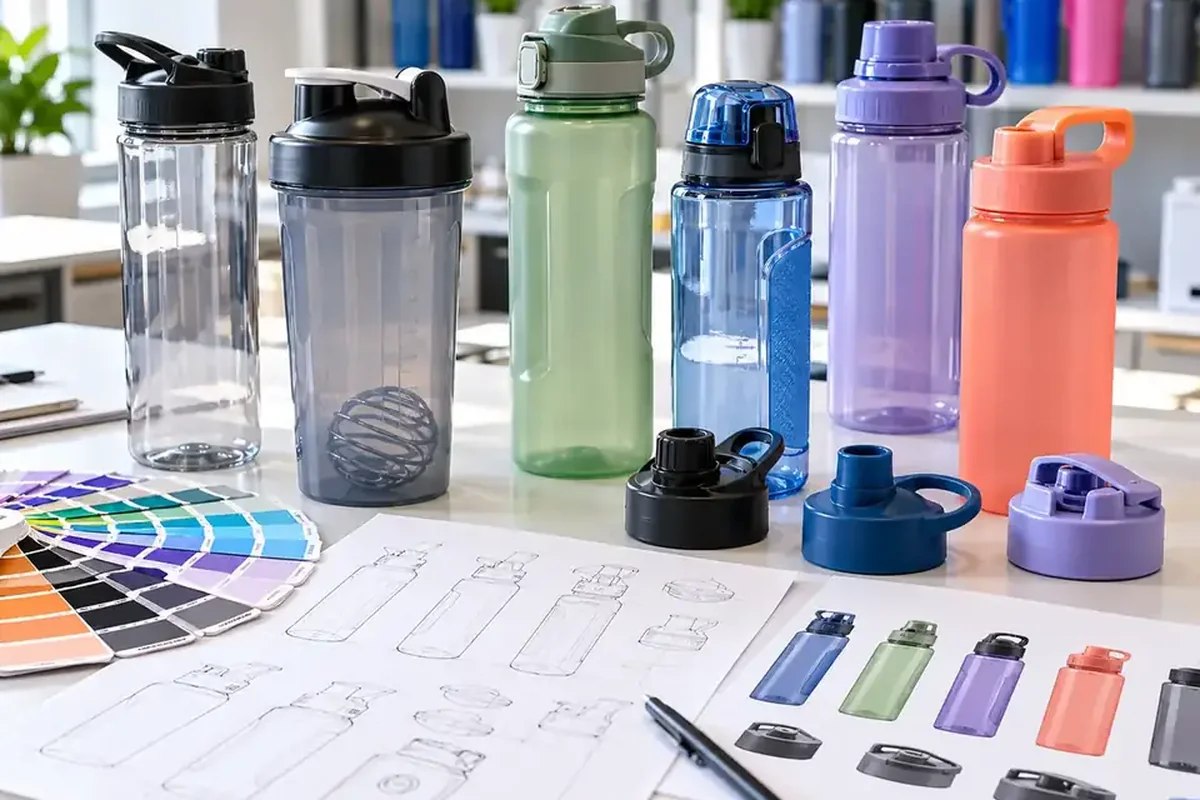
Start with the coworking operator's actual member onboarding plan, not total desk capacity. Separate new individual members, team-office customers, trial passes, event visitors and renewal incentives. Decide whether reusable bottles are included in a standard welcome kit, earned at a milestone or sold through reception. Each channel needs a separate approved budget and issue ledger. A multi-location operator should agree which site owns stock and when unopened excess can be transferred to another branch. Produce a monthly estimate based on confirmed starts plus a documented reserve for growth and replacements. Identify one ordering owner and local handover contacts; the coworking community team should not be surprised by unapproved storage cartons. Clarify whether private-office tenants may request their own logos and whether each artwork version has a separate minimum order or setup cost. Use that program design before negotiating the final model and quantity. Review model 2030 as a physical reference before approving this variant; confirm its current product record rather than assuming the same material or cap configuration.
Build a welcome-kit bill of materials and packing plan
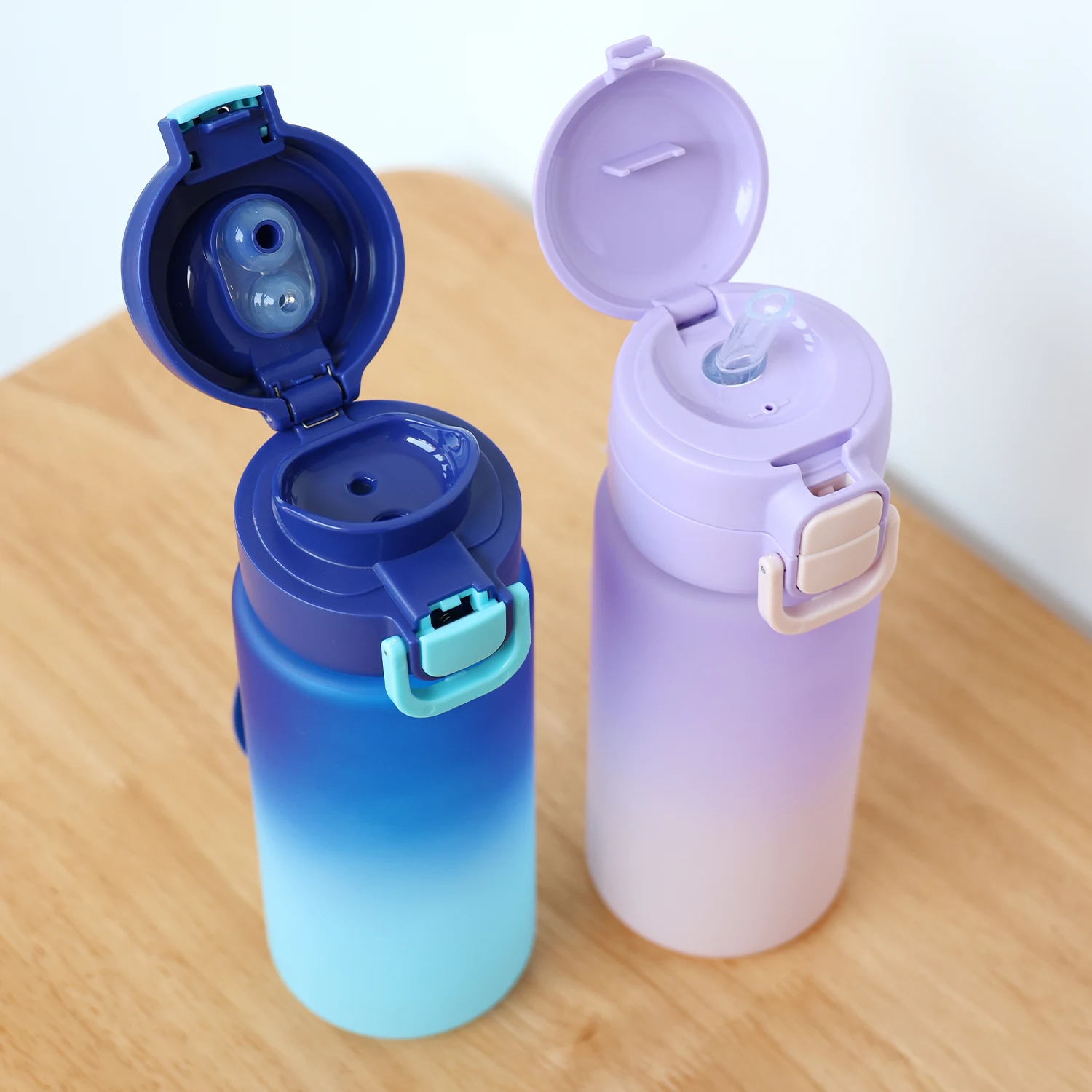
A water bottle may be just one element in a coworking starter pack alongside access cards, stationery or orientation materials. Define whether the supplier provides bottles alone or individually packaged units suitable for local kit assembly. Check real dimensions and the chosen closure before asking the community team to design a box or sleeve. Calculate the cost of branded packaging separately from the bottle; a decorative box may increase freight, storage or assembly work without improving the member experience. Ask for exact product and master-carton measurements, label conventions, and whether cartons are separated by site or membership plan. The internal pack list should record the bottle model, approved color, branding revision, other kit contents and issuing team. If an operator distributes bottles during events as well as onboarding, use a separate allocation sheet so event stock does not unexpectedly reduce committed welcome-kit quantities. Compare XUYI model lo-002 as a model reference only; approve the actual material, closure, logo area and packing before quoting.
Compare landed cost and approval lead times by variant
Request like-for-like quotations with the same selected model, lid, decoration method, artwork count, packaging format, quantity and delivery address. Include print setup, physical sampling, case splitting, international freight and customs where applicable, plus local kit assembly and storage. Compare the delivered program cost per member rather than the factory unit price alone. Record who funds shared-brand editions versus tenant-exclusive versions and who accepts the cost of any unused event-dated stock. Give the design team an approval deadline before locking a production slot. An indicative lead time is not a guarantee, and changing logos after sample approval may alter both cost and shipping date. Confirm Incoterms and ownership of the artwork files. For repeat orders, ask whether the exact cap and material combination remains available. Store the version-controlled quotation and sample sign-off so that a new community manager can repeat the order without guessing.
Receive and issue bottles with location-level controls
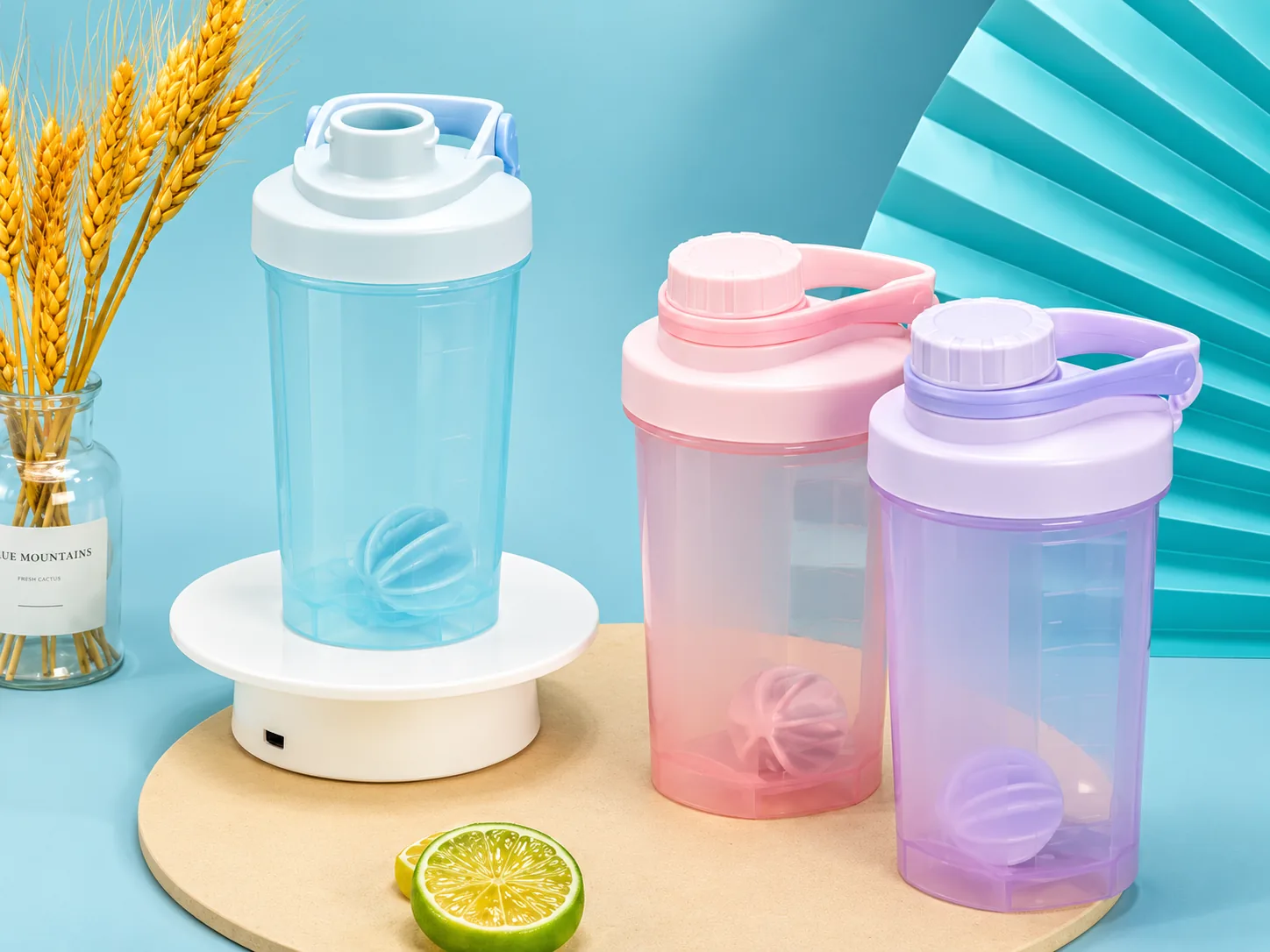
Before shipping, send a branch-by-branch allocation document to the supplier. Require carton identifiers for site, model, color, artwork edition and quantities. On receipt, count cases against the packing list, open samples from distinct cartons and inspect obvious physical damage, closure completeness, print legibility and packaging condition. Photograph discrepancies with shipment identifiers and hold suspect units away from member handout areas. Do not equate a visual check with food-contact or mechanical test certification. Reception staff should receive an approved reference picture and a simple issue checklist so the correct variant reaches each member. Record unopened reserves and transfers rather than silently mixing new stock with older designs. If a member reports a damaged cap, document the component and source batch before authorizing a replacement. Make sure personal details in member issue logs are handled according to the operator's privacy procedures and are not forwarded unnecessarily to the bottle supplier. Compare XUYI model 2212 as a model reference only; approve the actual material, closure, logo area and packing before quoting.
Measure distribution and set a defensible reorder trigger
After an initial rollout, reconcile bottle deliveries, member kits issued, event distributions, damages, remaining stock and future onboarding commitments. Compare branch-level usage only against periods when the program was actually active; a low-occupancy branch should not be judged by the same raw count as a large headquarters site. Collect feedback on portability, cleaning and design clarity, but keep subjective comments distinct from technical product tests. This helps the next procurement cycle focus on specific buyer needs. Before reordering, confirm the exact selected SKU, cap and material documentation, packaging and approved artwork. Refresh quantities using member start forecasts and verified leftover stock. Record any tenant-specific editions that are no longer authorized so a repeat order cannot reproduce them accidentally. Preserve a handoff folder with purchase history, physical sample photos, defect resolutions, quote assumptions and the branch distribution matrix. A controlled repeat program supports consistency across growing coworking locations.
Coworking welcome-kit purchase decision matrix
Keep sample, branding, membership and site approvals separate until release.
| Review gate | Document to retain | Owner's decision |
|---|---|---|
| Demand | New-member and event allocation forecast | Units confirmed |
| Fit | Shared-workspace sample assessment | Model chosen |
| Brand | Logo rights and signed print proof | Edition approved |
| Kit | Assembly plan and real unit dimensions | Pack plan set |
| Receiving | Branch carton labels and inspection log | Stock accepted |
| Repeat | Membership issue ledger and available stock | Reorder quantity |
Buyer decision criteria, not XUYI certification, published MOQ or guaranteed delivery times. Verify the exact model and market requirements.
Buyer checklist
Use these points when comparing a factory sample, artwork approval and purchase quotation.
- Forecast confirmed member starts separately from events.
- Assign a stock owner at each coworking branch.
- Review exact body and closure samples at desks.
- Verify actual capacity and material documents.
- Obtain rights and approval for each tenant logo.
- Define welcome-kit assembly and packing owners.
- Compare fully delivered costs by variant.
- Label cartons by site and artwork edition.
- Record receiving defects and member issues.
- Reconcile remaining stock before the next order.
Frequently asked questions
Should coworking locations choose a single bottle design?
A common design can simplify procurement, but each location must validate use, branding authority and receiving needs before consolidating.
Can tenant logos be added to welcome-kit bottles?
Potentially, after confirming logo rights, artwork approval, edition-level quantities and physical decoration proof.
Does a digital mockup validate the final bottle finish?
No. Use a production-representative sample to assess the exact body, closure and print before order approval.
How can an operator avoid excess welcome-kit stock?
Use confirmed member starts, event allocations, a visible reserve, branch issue records and a current reorder forecast.
Need a quote for a specific model?
Send the intended model, material requirements, expected order quantity, artwork and destination market. We will review the options for that exact product rather than assume one specification fits every bottle.
Request a Plastic Bottle Quote →Related Buying Guides
 How Should Apartment Property Managers Source Branded Water Bottles for Resident Welcome Kits?
A practical B2B buying checklist for apartment welcome-kit bottles: resident mix, sample approval, logo artwork, move-in packing, freight and reorder controls.
 How Can Corporate Buyers Roll Out Branded Water Bottles Across Multiple Offices?
An actionable B2B guide to corporate water bottle gifts: recipient allocations, branding approvals, office drop shipments, packaging, budgets, timing and exception planning.
 How Should Subscription Box Brands Source Private-Label Water Bottles in Bulk?
Subscription box water bottle sourcing checklist: box-fit trials, precise SKU and closure choices, branded samples, co-packing handoffs, 3PL labels and replenishment.