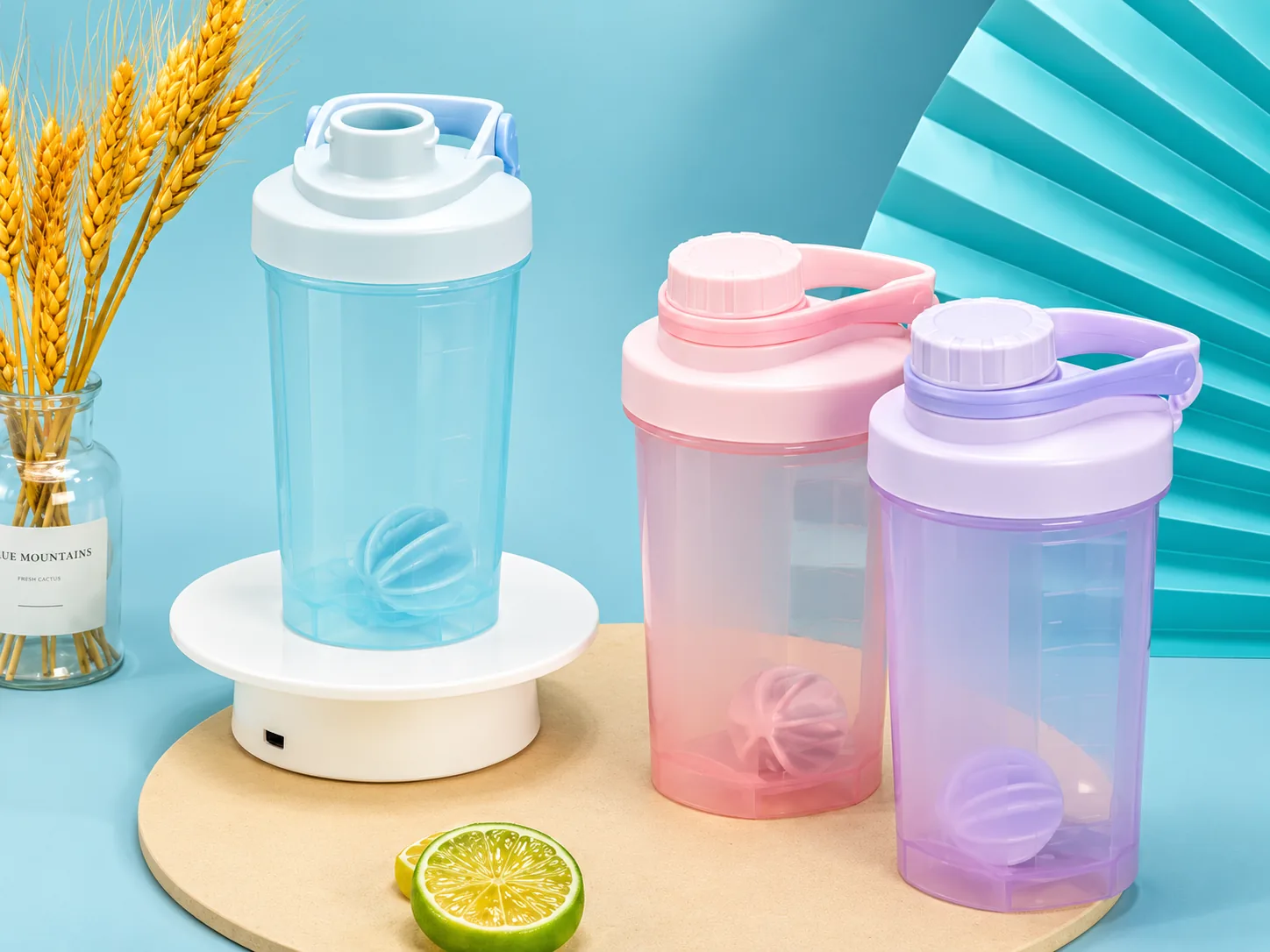
Subscription box brands sometimes use a reusable plastic water bottle as a hero product, seasonal gift or gym-themed add-on. Unlike a standalone wholesale item, the bottle must arrive at a packer in the right presentation, carton sequence and quantity to fit a subscription production plan. A low factory unit quote is only part of the decision. This B2B checklist separates physical product selection, approved logo and care copy, shipment ownership, kit assembly, damage prevention and repeat-supply planning without making unsupported material or performance claims.
- Define kit edition, ship date and committed units.
- Confirm supplier versus co-packer scope.
- Test actual bottle and cap in complete mailer.
Specify the subscription offer and ownership of the packed kit
Begin by mapping exactly how the bottle will appear to the customer: a paid featured item, a welcome gift, a limited seasonal addition or part of a workout-themed bundle. Define the subscription month's ship date, accepted member quantities, spare-unit allowance and planned returns policy before negotiating bottle volume. Identify who owns the final kit's barcode, instructions and pack artwork. A bottle supplier may decorate and export empty drinkware, while a separate co-packer creates the finished subscription box; do not assume the factory handles fulfillment, inventory for third-party products or food items. Give both suppliers one bill of materials showing the physical bottle, chosen lid, optional verified accessories, inserts and final carton dimensions. Distinguish commitments already sold from forecasts for new subscriber signups, and reserve change approval with a named commercial owner.
Test bottle fit and actual closure performance inside the box
Ask for an assembled physical sample and authoritative capacity in milliliters. Place it in the proposed mailer alongside all other products and protective materials, then check usable height, lid clearance, movement and rub points through a practical package-handling trial. A compact sports bottle may be easier to pack than a larger bottle, but sample geometry and case dimensions are more reliable than a marketing size label. Confirm whether a carry loop, straw, mixer or removable part is included in the exact model; do not assume parts shown on an unrelated lifestyle photograph apply. If the box includes a nutrition product, keep its own regulatory and labeling scope separate from the empty bottle. Record cap assembly, cleaning guidance and any functional evidence required for the subscription brand's advertising. A visual sample approval does not guarantee that a decorated bottle will stay undamaged after shipping with hard objects. Trial-fit a compact reference such as model 2095 inside the entire subscription mailer with padding and the other committed kit contents.
Approve a branded proof and customer-facing instructions together
Obtain a vector logo, selected body color, decoration method, print placement, text copy and a controlled artwork revision. The box insert and product page must reflect only statements supported by the final configured bottle. Do not silently change the body resin or promise BPA Free, Tritan, dishwasher or hot-water compatibility unless documentation and destination-market obligations have been checked. Ask for a physical or method-equivalent print proof on the actual chosen body, because artwork on a flat mock-up can distort on a curved surface. Confirm consumer care instructions, any importer or responsible-party requirements and where the label will be attached without damaging appearance. Record the approval owner for both brand visuals and technical copy, and ensure the final bill of materials and SKU labels refer to the same version. If a lid part changes, the sample and copy need another review.
Quote total landed kit cost and confirm packing responsibilities
Request separate figures for bottle bodies, selected closures, custom decoration, individual unit protection, carton cases, barcode or label work where actually offered, freight and any downstream co-packer charges. Compare the landed price per acceptable kit-ready bottle, not only the ex-factory price of an unpacked unit. Specify whether the factory supplies individual sleeves or whether the 3PL does unit wrap and kitting; both parties must agree how cartons are opened and goods are inspected. For a fitness-focused subscription edition, a shaker-style item should be evaluated for its own inclusion list and actual component geometry rather than substituted because its price happens to be lower. Ask if print minimums apply per artwork and color and how surcharges change the budget when monthly volumes vary. Build a separate scenario for overruns, damage allowances and unsold seasonal designs. For a fitness-themed kit, assess model 501 as a distinct shaker configuration with its actually supplied components and care instructions.
Set receiving and carton labels for the co-packer or 3PL
Provide the precise warehouse address, appointment system, case counts, pallet requirements where applicable and required inbound reference numbers before production ships. Many subscription businesses use a 3PL whose receiving rules differ from an ordinary business address; obtain the 3PL's own inbound instructions in writing. Distinguish the supplier's sales order, bottle SKU, subscription edition, decoration version, color and quantity on carton labels as the warehouse requires. If shipments are split across facilities, agree who generates the allocation manifest and how shortages are reconciled. Include actual gross weights and carton dimensions rather than generic pack estimates. Set a deadline for clearing receiving exceptions before kit assembly begins. Any new artwork approved during production should receive an updated carton ID instead of being mixed with an earlier visual batch.
Inspect against approved kit samples before the assembly slot
Define incoming acceptance for cracked bodies, rough finishes, absent lids or seals, incorrect artwork, protective pack damage and case labeling errors. The inspection plan should use the verified bottle sample and a finished sample of the subscription kit, not only a photograph of factory cartons. Agree which party opens boxes and records defects at each handoff so missing components are identified before the subscription fulfillment deadline. If the brand advertises a particular leak resistance or care claim, request a documented test suited to the complete configured product; a material name alone is not proof. Check model and lot traceability when rejected bottles are replaced, and keep unsaleable units out of customer kits. If a print lot fails, document the effect on the co-packer's planned assembly date and seek written approval before releasing a smaller number of complete kits. If considering model 2516 for a higher-value edition, verify its own closure, artwork and packed dimensions rather than assuming the compact trial results transfer.
Use subscriber feedback to improve exact-model repeat orders
After fulfillment, reconcile planned units, actual 3PL receipts, boxes assembled, goods scrapped and unopened carryover. Separate issues caused by the bottle itself from pack-out damage, missing inserts or inaccurate customer instructions. Collect support tickets about lids, odor, washing and print quality with the exact bottle and lot codes. Keep a retained approved sample, body and lid specification, artwork revision, carton labeling and 3PL receiving terms as a reusable reorder packet. Before repeating the campaign, ask whether the same parts, materials, and decoration are still available; a similar catalogue photo does not authorize a substitution. Build next-month quantities from paid subscriber forecasts and genuine inventory instead of a fixed growth assumption. A strong subscription-box water bottle program is a predictable physical component that protects the kit experience, not a claim that one low-cost factory sample automatically scales.
Subscription kit water bottle handoff matrix
Protect the final customer kit by aligning product evidence and fulfillment ownership.
| Handoff gate | Required evidence | Acceptance decision |
|---|---|---|
| Kit scope | Edition, recipients and bill of materials | Product included |
| Fit | Full-box physical trial | No unacceptable movement |
| Branding | Approved body, logo and care copy | Version locked |
| Packing | Unit protection and 3PL instructions | Kit-ready receipt |
| Inspection | Bottle and finished-kit defect criteria | Lot accepted |
| Repeat order | Revision, receipts and return data | Replenishment approved |
Buyer decision criteria, not XUYI certification, published MOQ or guaranteed delivery times. Verify the exact model and market requirements.
Buyer checklist
- Define kit edition, ship date and committed units.
- Confirm supplier versus co-packer scope.
- Test actual bottle and cap in complete mailer.
- Verify material and care statements for intended market.
- Approve decorated sample and artwork version.
- Quote unit protection, cases, labels and delivery.
- Match 3PL inbound requirements and case IDs.
- Inspect bodies, closures, print and pack completeness.
- Reconcile kit assembly discrepancies by SKU.
- Save approved sample and version for reorder.
Frequently asked questions
Can a factory ship bottles directly to our subscription fulfillment partner?
Often yes if the 3PL accepts the shipment, but receiving rules, label format, appointments, packing responsibilities and handoff terms must be agreed before production.
Should the water bottle be wrapped individually inside a subscription box?
Test the actual finished kit and its distribution hazards. The needed protection depends on materials, neighbors in the box and packing method, not a universal sleeve rule.
Can we swap cap colors or bottle models after approving box dimensions?
Treat either change as a new part and size verification. Update the physical kit fit, artwork, inventory codes and acceptance requirements before release.
How do subscription brands set custom bottle MOQ?
Request actual minimums for the selected body, color, artwork and packaging. Compare costs and constraints against committed kit units rather than assuming a fixed industry-wide MOQ.
Need a quote for a specific model?
Send the model, expected order quantity, logo requirements and destination market. XUYI can review confirmed material and customization options.
Request a Plastic Bottle Quote →