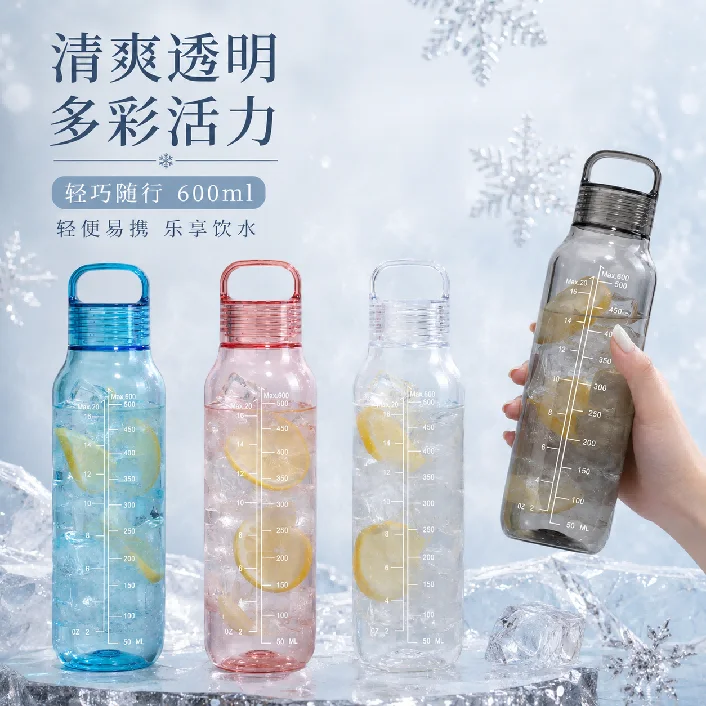
Private-label water bottle sellers often focus on a listing image and initial unit cost, only to find that product variants, packaging, promotional claims and fulfillment processes were never aligned. A successful launch requires the physical bottle, its documented materials and capacity, the listing copy, supplier purchase order and warehouse carton to describe one approved item. This B2B guide is for marketplace merchants and online distributors buying from an OEM/ODM supplier; platform policies vary and must be checked for the exact marketplace and destination.
- Specify each marketplace buyer segment and actual use.
- Create model, color, lid and accessory SKUs.
- Verify material, capacity and all customer-facing claims.
What should the seller lock down before requesting a price?
Start from an identified buyer segment such as commuting, outdoor hydration, casual gym use or large-capacity activity bottles. Decide whether the project is an existing factory model with branding or an actual engineered change requiring tooling. Create a one-line SKU definition covering body, lid, materials, approved capacity in milliliters, color, accessories, pack and artwork version. Confirm every candidate SKU has a current real factory sample, not only a computer rendering. Do not merge different closures into one listing variation without checking the platform’s variation policy. Request quotation breakdowns for physical assembly, printed logo, samples, inspection, packaging and freight so a cheap advertised unit price does not obscure the real cost. A compact sports catalog reference such as sports bottle model 2095 requires its own sample, listing facts and SKU/packaging code.
How can listing claims remain identical to verifiable product evidence?
Separate exact tested or documented facts from proposed marketing language. Use the factory-specified milliliter volume and treat overseas oz size classes as approximate labels where supported, never as exact conversions. Obtain suitable documentation before describing a particular configuration as dishwasher-safe, insulated, BPA Free certified, Tritan or hot-water-resistant. Inspect each part, including lid seals and any coatings, rather than relying on a raw resin category. Check destination-specific food-contact and labeling requirements with qualified parties. Retain an evidence register linking claim, component, test scope and listing version. If the supplier changes a component, suspend the affected claim until it is reassessed rather than silently inheriting an old report.
What makes a sample approval useful for marketplace photography?
Request the actual color, printing, closure, accessory set and retail packaging that customers will receive. Photograph dimensions and features only after verifying the approved assembly. Lifestyle photos can illustrate use, but should not depict unsupported included accessories, incompatible lids or capabilities that do not exist. Capture logo legibility, surface finish, seams, handling details and the actual pack contents from multiple angles. Agree a standard for visual defects and shade variance because web customers may compare received goods directly with pictures. Keep the approved sample and its photos under a revision identifier. Maintain an accessible source for product dimensions, packaging mass and care instructions so the store team does not invent measurements. Compare the precise body, closure and photographed accessories of sports bottle model 2516 before creating another marketplace listing.
How should barcodes, variations and fulfillment labels be organized?
Create a SKU-to-barcode matrix with the chosen warehouse and platform requirements, checking whether a separate identifier is required for each color, size, kit or closure variation. Confirm actual scanned labels on finished packaging, including carton labels and any unit-level stickers requested by the fulfillment provider. Do not copy a marketplace’s label placement rule from another region without checking the current policy. Choose between factory-prepared unit packs and local 3PL reworking based on cost, damage risk and accountability. Ask for a master-carton specification with real quantities and dimensions and map those counts to inbound warehouse appointments. Keep customer-facing product packaging separate from transport protection and make any importer/responsible-party information market-appropriate.
What pre-shipment checks protect against negative reviews and returns?
Before final payment or release, define representative inspection checks for the exact approved item: correct body, lid fit, seals and included parts; agreed print color; scratches or visible defects; packing completeness; and legibility of identifiers. If leakage or handling is a key claim, write a meaningful test protocol and accept it only after the tested configuration and result are documented. Compare actual finished cartons with the marketplace SKU matrix and invoice. Retain photos and a control sample from the lot. Agree with the supplier how confirmed defects will be corrected, credited or replaced, including costs of opening or relabeling warehouse stock. A single passing sample does not guarantee every future lot will remain unchanged. If considering a carry-loop option such as bottle LO-002, confirm which variant is actually approved and packed.
How can a seller plan a first order without excessive inventory?
Build a conservative launch plan with variant-level demand assumptions, landed costs, expected storage fees and reorder lead time. Model a slow launch and a normal launch rather than treating advertising forecasts as guaranteed sales. Separate the base product’s MOQ from print setup minimums and carton multiples. Calculate the working capital tied in each color before requesting another discount tier. Agree when the factory starts production after approved artwork and sample. If the business sells across several countries, avoid a single universal customs or platform fee assumption. Document the reorder trigger and what data, such as sell-through, returns and ranking variability, will inform the next batch.
What feedback loop should connect customer returns to the supplier?
Classify actual return reasons by SKU and production batch: wrong expectations from listing photography, missing accessories, damaged packing, incorrect closure, wash-care misunderstanding or a genuine manufacturing defect. Route allegations about food-contact safety or material claims for professional assessment rather than auto-publishing reassurance. Save the approved body/lid revision and compare it with any replacement sample before reordering. Send the supplier clear photos, item identifiers and counts, and agree a corrective-action response. Revise both the listing and the purchase specification when a problem is confirmed. A sustainable private-label line requires consistent real product information and manageable after-sales processes, not fabricated five-star feedback.
Marketplace seller launch gate matrix
Use this as a decision sheet connecting the photographed product, its evidence and the received shipment.
| Launch gate | Documentation | Release decision |
|---|---|---|
| SKU identity | Assembly, model, color and lid revision | Saleable unit is defined |
| Listing claims | Proof for capacity, materials and care | Unsupported claims excluded |
| Photos | Approved real sample and pack contents | Images match deliverable |
| Barcoding | Platform/3PL accepted identifier | Labels scan correctly |
| Inspection | Defined defects and completed checks | Lot has acceptance record |
| After-sales | Batch-linked return categories | Corrective actions assigned |
Buyer decision criteria, not XUYI certification, published MOQ or guaranteed delivery times. Verify the exact model and market requirements.
Buyer checklist
- Specify each marketplace buyer segment and actual use.
- Create model, color, lid and accessory SKUs.
- Verify material, capacity and all customer-facing claims.
- Approve finished sample with logo and retail packaging.
- Photograph only what the shipped SKU includes.
- Validate barcodes and warehouse-specific labels.
- Agree carton quantities, protection and 3PL responsibilities.
- Define incoming and pre-shipment inspection criteria.
- Model storage, landed cost and slow-launch inventory.
- Track returns and component revisions for each re-order.
Frequently asked questions
Can a seller use one barcode for several bottle colors?
It depends on the target platform’s current variation, labeling and identifier policies. Confirm individual saleable units and barcodes with the receiving warehouse before printing packaging.
Does a printed sample prove that a bottle is dishwasher safe?
No. A print proof checks appearance. The full assembled product, any finish and the claimed washing conditions require their own verification.
Is a large trial order always cheaper than a small first launch?
A lower unit price may be offset by storage, working capital, obsolete designs and returns. Compare total landed and operating cost under several sales scenarios.
What if a factory changes the lid between batches?
Treat it as a controlled specification revision. Recheck fit, relevant claims, photos, carton labels and compatibility before approving the repeat order.
Need a quote for a specific model?
Send the model, expected order quantity, logo requirements and destination market. XUYI can review confirmed material and customization options.
Request a Plastic Bottle Quote →