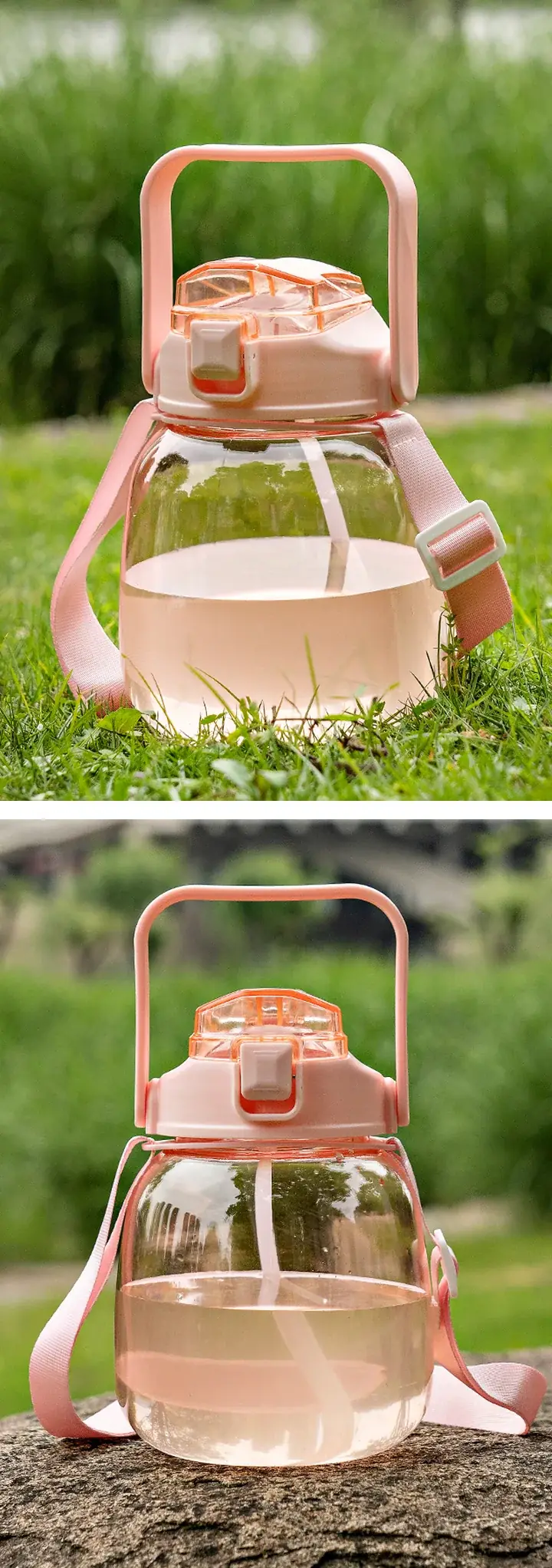
Tour operators organizing walking tours, guided hikes, camps or group excursions often purchase reusable bottles for participants, guides or resale. The procurement decision is practical rather than purely decorative: where and how will participants carry bottles, can the organizer actually clean reusable stock, who receives cartons before departure, and who handles a broken lid in the field? This article provides a buyer's verification framework, not a universal promise that any catalog bottle is suitable for rugged impacts, hot weather, high-temperature cleaning or particular destination regulations.
- Classify guest gift, resale, reusable issued stock or guide supply.
- Document itinerary, refill access, trip duration and carrying needs.
- Approve real body, handle and closure samples.
Determine whether the bottle is a participant gift, rental or guide supply
A bottle handed to every guest at the beginning of a tour requires a different budget and cleaning approach from a set carried by guides or rented repeatedly. Document how many people actually receive bottles, whether the items are retained, and when replacements are required. For a take-home souvenir, visual branding and practical packability may matter more than an elaborate lid. For reissued stock, approved cleaning directions, inspection and responsible handling become operational conditions that cannot be solved by attractive product photography. If children are included, check intended-user and destination requirements separately. Arrange a small pilot using the actual excursion kit before writing a large purchase order.
Choose capacity and carrying format using the route, not a trend
Assess the trip's expected duration, water access plan and participant carrying options without promising that one volume fits every climate or activity. A guided city walk may call for a manageable carry-loop format, while an organized team-support setting may evaluate a larger handled jug. Compare actual documented milliliters and approved catalog size classes rather than treating oz marketing labels as precise volume equivalents. Verify closure, handle comfort, opening access and packed dimensions from real samples. A large-volume bottle can be unsuitable for a child's daypack or a crowded coach seat even when its unit price is attractive. Purchase planners should consult activity leaders about how bottles will be refilled and transported, not infer field performance from the model category. For group-support use, evaluate water jug model 2305 by its verified capacity, actual carrying arrangement and real carton dimensions, not by size-class marketing alone.
Check real-world assembly and material limitations
Ask the manufacturer for model-specific body, lid, seal and handle details and instructions for intended beverage and care. Require appropriate destination-market food-contact records where applicable, but avoid treating a raw plastic resin name as proof for a complete finished assembly. If the tour involves heat, freezing conditions, rough handling or long storage, assess those exposures on the selected configuration before claiming suitability. An unsupported drop-proof, unbreakable or leakproof statement creates risk for the organizer. Request evidence for any dishwasher or hot-water cleaning claim and confirm the care method actually available to staff. Trial the cap opening and resealing while wearing the equipment participants use on the trip.
Plan branding that will remain useful beyond one season
Decide whether the tour-company name, destination artwork, sponsor mark or a refill instruction is valuable to the guest. Approve a decorated real sample with exact print placement, color and revision; a digital rendering may hide poor legibility on a curved body. Do not print a QR code for a route map or water-point service unless the destination link and operational commitment are real. If excursions operate in several countries, decide whether instructions require different languages and verify destination requirements. Ask suppliers whether artwork minimums are per destination logo rather than per combined purchase. Record what happens to last season's printed stock when itinerary or partner branding changes. Compare the physical water jug model 2282 option for guide or larger-team distribution only after confirming closure, transport and care requirements.
Organize stocking, carton handling and departure-day allocation
Forecast bottles by departure date, guest capacity, guide crew and replacement allowance, using bookings and staffing records where possible. Agree whether cases should be delivered to the central office, a trip depot, a local partner or a seasonal field warehouse. Obtain actual master-carton counts, dimensions, weights and protection requirements to evaluate bus loading, storage and unloading, not just international freight. Separate models or logo versions by tour code and batch so guides can reconcile what was issued to each group. Verify who is responsible for customs clearance, inland shipment and receiving signatures. Leave sufficient, evidence-based time for inbound inspection before the first scheduled trip.
Test packing and field support before releasing full production
Inspect complete bottle and lid fit, seals, printed surfaces, accessory inclusion and damage resistance only according to an agreed and documented method. Trial the product in the planned tour bag, retail display or support vehicle and look for practical problems with storage, pouring and refill access. A pre-shipment check should compare a retained approved sample with the finished production lot and actual case labels. If a closure fails or a component is missing, record exact model, lot and photo and agree with the supplier how a confirmed fault is handled. Do not assume spare caps from different catalog codes fit together. A good inspection checklist covers the activity operator's workflow, not just the bottle's cosmetic appearance. For a take-home tour souvenir format, test bottle LO-003 for carried comfort and pack-out without assuming all lid variants are interchangeable.
Build a seasonal replenishment and guest-feedback process
Record the actual number of bottles issued, returned where applicable, damaged and kept as unsold inventory by itinerary. Obtain part numbers and availability for compatible lids, seals and handles; spare-parts commitments should come from the factory, not from visual resemblance. Separate complaints caused by inadequate tour instructions from confirmed material or assembly defects. Before repeating a logo campaign, confirm the body and cap revision, approved sample, destination packing and current lead time. If a model is discontinued or changed, require reapproval instead of switching to a similar photo. Over time, tour operators should choose the bottle formats their guests use successfully and their guides can distribute and service consistently.
Outdoor group bottle procurement matrix
Use guide feedback and verified documents to approve the exact model.
| Decision | Buyer verification | Operational sign-off |
|---|---|---|
| Audience | Gift, rental or guide-use brief | Responsibility clear |
| Capacity | Documented ml and actual route plan | Carrying use tested |
| Materials | Full assembly and care instructions | Claims supported |
| Brand | Printed sample by destination | Artwork approved |
| Logistics | Cartons and depot allocations | Ready before departure |
| Support | Inspection and part compatibility | Remedy documented |
Buyer decision criteria, not XUYI certification, published MOQ or guaranteed delivery times. Verify the exact model and market requirements.
Buyer checklist
- Classify guest gift, resale, reusable issued stock or guide supply.
- Document itinerary, refill access, trip duration and carrying needs.
- Approve real body, handle and closure samples.
- Review model-specific materials and verified care instructions.
- Avoid unsupported temperature, impact and leakproof claims.
- Approve artwork for each tour brand or destination.
- Allocate cartons by depot, departure and tour group.
- Agree quality criteria and receiving checks before departure.
- Confirm compatible spares, defect remedy and complaint owner.
- Review actual issuance and stock after each tour season.
Frequently asked questions
Is a large handled water jug appropriate for every hiking tour?
No. Select volume and carrying style from the itinerary, refill logistics and real participant needs; test physical samples before committing.
Can tour companies clean bottles and issue them to new groups?
That depends on verified product care instructions, applicable local rules and the operator's own hygiene procedures. An ordinary retail bottle is not automatically suitable for shared reissue.
Do identical-looking bottle lids work across different models?
Compatibility requires exact part references or physical manufacturer verification, not visual similarity.
Can an operator use different logos for multiple destinations?
Yes only if print approvals, variant-specific minimums, separated packing and inventory identification are agreed in advance.
Need a quote for a specific model?
Send the model, expected order quantity, logo requirements and destination market. XUYI can review confirmed material and customization options.
Request a Plastic Bottle Quote →