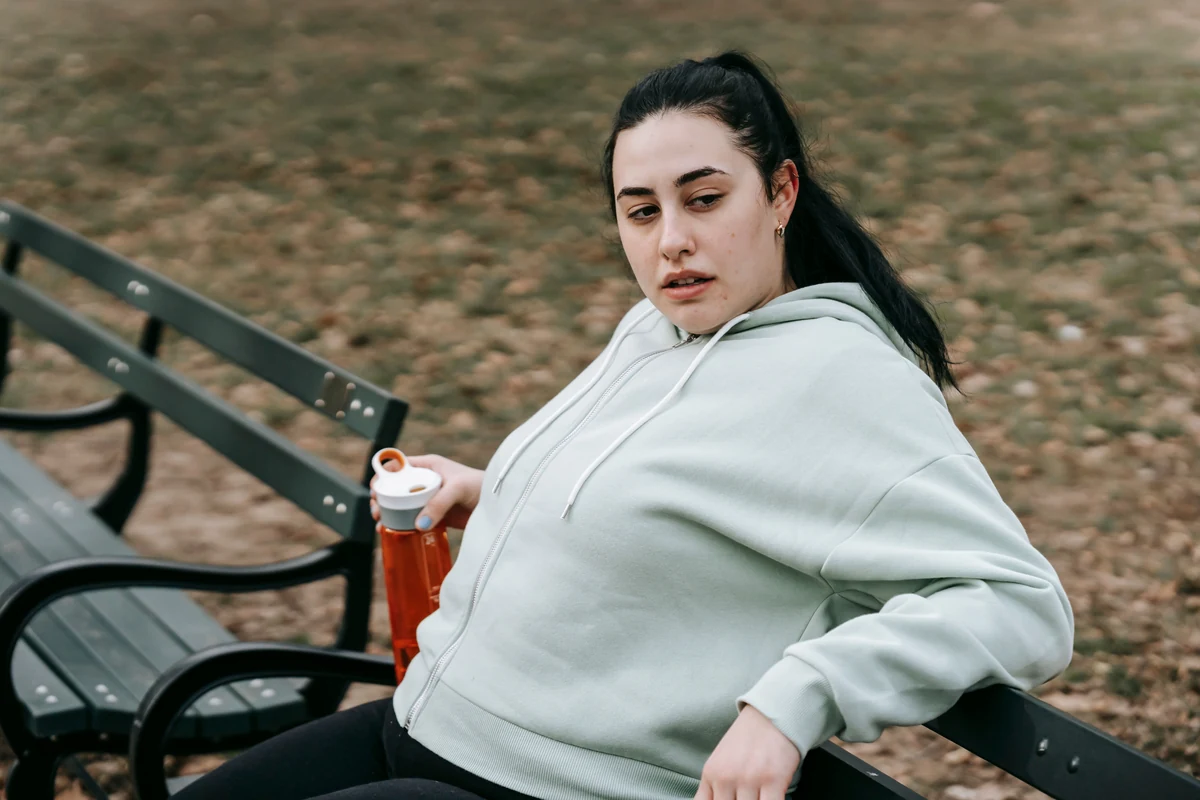
Parks and recreation departments support different users across the year: seasonal staff, maintenance crews, volunteers, youth activities, community classes and public events. A single estimate rarely covers every group. This guide shows procurement teams how to separate those requirements, test suitable bottle samples, manage department branding and compare total delivered cost without assuming that every bottle is suitable for every outdoor activity.
- List each park, program, user group, funding source and distribution date.
- Separate staff, volunteer, participant and event quantities.
- Confirm registrations and headcounts before fixing the final order quantity.
1. Map the department's programs and the people who will receive bottles
A parks department may purchase bottles for outdoor staff, seasonal employees, volunteers, youth recreation programs, community classes and one-time public events. These are different buying situations, even when the same department manages them. Start with a program list that identifies the user group, activity, location, distribution date, funding source and person responsible for the order. A maintenance team may need a different allocation from a weekend community class, while an event may require a fixed number of participant kits delivered before registration closes. Record the confirmed headcount separately from estimates and avoid treating all annual program participants as one permanent user base. This gives the buyer a defensible quantity plan and makes it easier to adjust when a seasonal program is added, cancelled or moved to another park.
2. Separate staff issue stock, volunteer kits and participant quantities
Do not combine staff replacement stock with event giveaways or participant kits in one unexplained total. Staff quantities may be based on team size and replacement frequency; volunteer kits depend on confirmed volunteer assignments; participant quantities depend on registrations and the format of each program. Give every allocation its own model, artwork, carton destination and handout date where necessary. If several parks receive the same order, confirm whether cartons should be delivered centrally and redistributed or shipped in separate campus-style allocations. Keep a reserve quantity only when there is a clear reason, such as late registration or a documented replacement process. A simple allocation sheet prevents one site from using another site's stock and makes it easier to reconcile the purchase against the actual program attendance after the season.
3. Match the model to the activity and carrying routine
A bottle for a guided walk, a staff shift and a community exercise class may need different carrying and opening characteristics. Consider whether users carry a backpack, use a waist pack, work outdoors for several hours or collect the bottle at a registration desk. Compare Model 2501 as one sports-bottle reference, then confirm the actual dimensions, capacity, lid configuration and available documentation for the selected item. Do not assume that a model fits every pack, vehicle holder or activity simply because it is listed as a sports bottle. Test the complete sample with the bags or equipment actually used by the department, and write down the exact combination that passed the department's own practical check.
4. Check sample handling, cleaning and claims before the purchase order
Ask for a complete sample rather than approving a body-only photograph. The team should check how the cap opens and closes, how the seal sits, whether removable parts can be handled and cleaned according to the supplied instructions, and whether the bottle is comfortable to carry during the intended activity. If a program uses gloves or requires frequent refilling, test those conditions with the sample instead of relying on a generic product description. Request the supplier's written component information and any documents relevant to the exact model and destination market. Terms such as leakproof, impact-resistant, BPA-free or dishwasher-safe should not be added to public program materials unless evidence supports the exact assembled model and claim. Keep the sample, notes and approved specification together so a later replacement order can be compared accurately. If a second candidate is needed, review a complete sample of Model 2502 and record the exact cap and component setup that was checked.
5. Approve department identity and public-facing artwork carefully
Municipal and recreation programs may use a city mark, parks department identity, program name, sponsor logo or seasonal event graphic. Confirm which office owns each mark and who is authorized to approve its use. Ask for a proof that shows the logo on the actual bottle shape and approve the placement, scale and color combination before production. If several parks or programs use different artwork, keep each version and quantity separate. Check that the public-facing wording does not imply a certification, environmental benefit or performance claim that has not been documented. For sponsor-funded programs, confirm the sponsor's approval and any restrictions on logo size or placement before the order is released. A dated proof and retained sample reduce the risk of distributing bottles with an old event year or an unapproved sponsor arrangement.
6. Budget for carton storage, delivery points and seasonal timing
Compare quotations on the same model, color mix, decoration, packaging, quantity and destination. Separate unit price, artwork or setup charges, individual packing, carton quantity, freight, insurance, duties and local handling where relevant. Ask for the outer-carton dimensions and confirmed pieces per carton before assigning storage space at a parks depot or recreation center. Seasonal demand can change with program schedules and local weather, so avoid ordering every possible future participant quantity before registrations are known. Work backward from the first handout date and confirm sample, artwork, production and transit timing for the exact order. If the department needs deliveries to multiple sites, agree the carton labels and distribution plan before dispatch. A realistic landed-cost comparison should include the labor and storage needed to move the cartons to the right parks. When comparing quotations and carton assumptions, keep Model 2505 as a separate model reference rather than mixing it with another configuration.
7. Review program feedback before repeating the order
After each season or event, record the quantities received and distributed, the remaining stock by model and color, and the questions raised by staff or participants. Ask whether the bottle was convenient to carry, whether the opening and cleaning instructions were clear and whether the selected model suited the actual activity. Keep any reported defect separate from general preference feedback and document the model and sample revision involved. Use this evidence to adjust the next program forecast rather than ordering the same quantity by habit. If the department changes the activity, user group, artwork or distribution method, request a fresh sample or updated proof where needed. A simple post-program review helps procurement avoid overstocking slow-moving variants and gives the next budget request a clearer basis.
Buyer checklist
- List each park, program, user group, funding source and distribution date.
- Separate staff, volunteer, participant and event quantities.
- Confirm registrations and headcounts before fixing the final order quantity.
- Compare model pages against the actual activity and carrying routine.
- Test the complete sample with the bags or equipment used by the department.
- Review component information and written cleaning instructions.
- Approve municipal, department and sponsor artwork with the authorized owner.
- Confirm carton quantities, outer dimensions and delivery-point labels.
- Compare equivalent landed-cost quotations and the seasonal delivery schedule.
- Record distribution, remaining stock and user feedback before reordering.
Frequently asked questions
Can one bottle model cover every parks and recreation program?
Not necessarily. Staff shifts, volunteer assignments, youth programs and public events have different users and carrying routines. Test the shortlisted model against the actual use case before standardizing it.
Can a department describe a bottle as suitable for all outdoor conditions?
Only if the supplier provides evidence for the exact assembled model and the stated conditions. Do not infer impact, temperature, sealing or cleaning performance from a broad category label.
Can a city or parks department add its logo to the bottles?
Ask the supplier to confirm the available decoration method and print area, then obtain approval from the office that owns the mark. Review a proof on the actual bottle shape before production.
How should a department forecast its order quantity?
Count staff, volunteers, registered participants and event allocations separately. Keep estimates distinct from confirmed headcounts and document any reserve quantity rather than adding an unexplained percentage.
Need a quote for a specific model?
Send the model, expected order quantity, logo requirements and destination market. XUYI can review confirmed material and customization options.
Request a Plastic Bottle Quote →