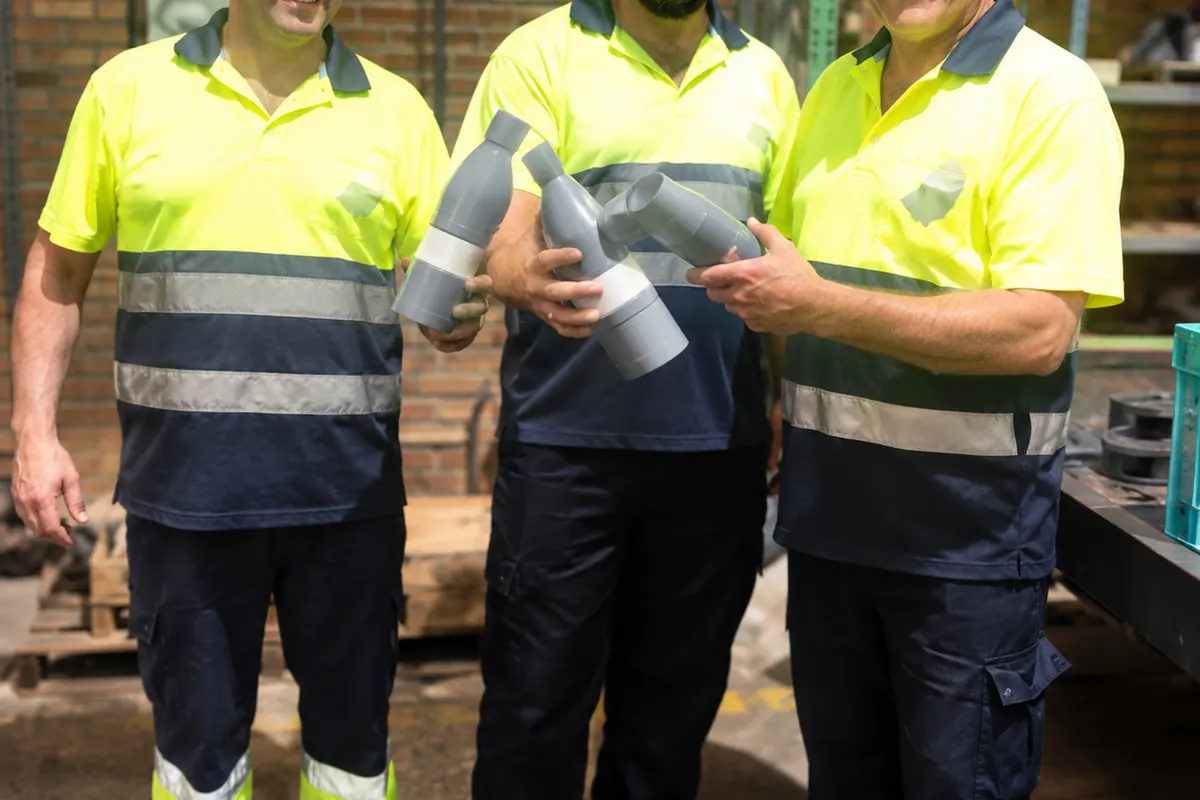
Warehouses and distribution centers can issue reusable bottles as employee equipment, onboarding supplies or branded team gifts. The challenge is coordinating real shift rosters, approved components, cleaning instructions and site-specific delivery rather than choosing a color from a catalog. This buyer checklist helps facilities and procurement teams turn an internal request into a precise, auditable factory brief without making unverified safety or material claims.
- Count eligible employees by shift and location.
- Agree an onboarding and replacement reserve.
- Confirm where bottles may be used and stored.
Allocate stock by shifts, sites and staff eligibility
Build the purchase quantity from confirmed employee rosters, not the highest headcount on a corporate slide. Separate permanent staff, temporary workers, new starters and team visitors. Ask each warehouse which shift supervisor will issue bottles and whether unclaimed stock can move between locations. Keep a reserve quantity for damaged items and onboarding, but distinguish that forecast from a committed order. Where different operators share a facility, identify who pays for each branded design and who can authorize an additional order. Turn the roster into a site-by-shift receiving table. Include the exact shipment address, department code, number of units, carton split, contact and preferred intake window. A central purchase order can still require different handover labels. Do not assume that a supplier's standard master carton will match your distribution process. Have the local coordinator approve the matrix before asking for the final quote. Review model 2030 as a physical reference before approving this variant; confirm its current product record rather than assuming the same material or cap configuration.
Check physical samples against worksite rules
A photo does not establish whether any bottle can be carried or stored safely around warehouse equipment. Ask the safety and facilities teams to identify approved locations, including break rooms, lockers, vehicles and equipment-free zones. Request a complete sample with the intended lid, seal, carrying loop and print. Test handling in a controlled area rather than promising universal one-handed opening or suitability while working around moving equipment. Inspect stability on a flat surface and the ability to use it without loose parts. Record the exact sample code and note any changes required before purchase. The selected bottle body, cap and accessories must be assessed together. Obtain the relevant material and food-contact documentation for the destination market where needed; do not treat a resin name or marketing claim as a test result. If gloves, protective clothing or restricted storage affect the choice, record those constraints in the supplier brief. Review model 2059 as a physical reference before approving this variant; confirm its current product record rather than assuming the same material or cap configuration. Use XUYI model lo-002 only as a catalog reference: approve the exact physical sample, closure, materials and packing before ordering.
Approve branding and ownership marking separately
An employer logo identifies the staff program, but it does not necessarily identify each worker's bottle. Decide whether to add a writable name panel, an individual identifier or only a standard site design. If labels will be applied by the warehouse, test adhesion and legibility on a real sample using the intended cleaning routine. Avoid covering manufacturer information or mandatory markings. Do not describe any printed logo as abrasion-proof without evidence from the exact production process. Provide authorized vector artwork and a single accountable sign-off person. Compare one-color versus multi-color decoration only under identical model and packing assumptions. Ask about print setup charges, proof requirements and minimums by version. Archive an approved production-representative sample and the final artwork file with a revision code; this protects repeat orders from unapproved artwork substitutions.
Define cleaning, replacement parts and responsibilities
Work out who cleans each bottle: the employee at home, a central facilities service or a designated on-site station. This affects the requested cap design and the instructions that accompany the order. Ask the supplier for care guidance for the complete assembly, including gaskets, straws or removable caps where applicable. Never claim dishwasher tolerance, antimicrobial performance or suitability for hot drinks merely because the body material looks familiar. Check whether lids and seals can be sourced as replacement parts for the chosen configuration. Let the operations team examine a sample for easy disassembly and reassembly, then document any small component that may be misplaced. Write a process for damaged stock, lost lids and hygiene complaints. Keep spare-part costs visible in the commercial comparison rather than automatically purchasing more complete bottles. A change of cap can affect both usability and care instructions, so reorders should require an exact bill of materials. Use XUYI model 2282 only as a catalog reference: approve the exact physical sample, closure, materials and packing before ordering.
Compare total delivered cost, not just the unit price
Quote comparisons are meaningful only when the proposed model, resin, lid, artwork, packing, quantity and destination are identical. Separate unit cost from decoration setup, carton splitting, individual sleeves, export handling, freight, import charges and local distribution. When sourcing internationally, identify the agreed Incoterm and which party pays for customs clearance. Do not equate a tentative factory production window with a guaranteed warehouse arrival date. Include time for physical sample approval and artwork revisions. Ask for confirmed carton dimensions and weights of the selected product, not a generic estimate for another bottle. Estimate cost per issued employee bottle while keeping reserve stock and replacement pieces on separate lines. If several sites buy the same model, common branding may reduce unnecessary variants, but only after each location approves its own receiving method. Record quote validity and clear reapproval triggers for changed quantities.
Prepare carton labels and receiving inspection
Create a dispatch matrix by site, shift and department, and send the same identifiers to the manufacturer and receiving teams. Each carton label should identify the model, color, approved artwork revision, unit count and intended destination. If one hub will redistribute cartons to satellite facilities, label the onward route and assign responsibility for counting transfers. Decide whether bulk cartons or individually packaged units suit the actual handover process; neither format should be assumed from a promotional photograph. At receipt, compare the shipping documents to the approved matrix, count cases and examine samples from separate cartons. Check obvious defects, cap completeness, visible print errors and carton damage against the signed reference. Quarantine shortages and damage and record carton numbers in photographs before raising a claim. A receiving check does not replace component testing or destination-market compliance evidence. Use XUYI model 2108 only as a catalog reference: approve the exact physical sample, closure, materials and packing before ordering.
Reconcile issues and lock the next reorder specification
After distribution, compare issued units, unclaimed inventory, new-hire use, lost components and reported defects. Note which departments needed more stock and which artwork variants created avoidable sorting work. Feedback about ease of carrying or cleaning may guide the next sample review, but it should not be described as proof of technical performance. Agree an owner for replenishment and an actual reorder threshold based on observed use rather than arbitrary calendar intervals. Retain the purchase order, signed physical sample, component list, artwork revision, carton plan, material documentation and receipt exceptions in one location. Before ordering again, verify current price, component availability and shipping assumptions. New worksites should be added through their own approved site-level quantities. This creates an auditable program without promising any unmeasured workplace safety or environmental benefit.
Warehouse purchasing approval gates
Keep a separate evidence record for the sample, deployment and receiving decision.
| Approval point | Evidence | Buyer decision |
|---|---|---|
| Demand | Shift roster and issue reserve | Volume approved |
| Usage | Site rules and physical sample | Variant cleared |
| Branding | Logo rights and proof revision | Artwork signed |
| Cleaning | Care instructions and spare parts | Facilities plan |
| Delivery | Carton-to-site matrix and landed quote | Receipt prepared |
| Reorder | Issued counts and sample record | Repeat specification |
Buyer decision criteria, not XUYI certification, published MOQ or guaranteed delivery times. Verify the exact model and market requirements.
Buyer checklist
Use these points when comparing a factory sample, artwork approval and purchase quotation.
- Count eligible employees by shift and location.
- Agree an onboarding and replacement reserve.
- Confirm where bottles may be used and stored.
- Approve complete physical samples and documents.
- Sign off name-label method and logo revision.
- Define cleaning and spare-part responsibilities.
- Compare full landed cost at consistent specifications.
- Label cartons by site, shift and quantity.
- Record receiving checks and defects.
- Reconcile issue records before repeating the order.
Frequently asked questions
Can a catalog bottle be used in every warehouse area?
No. Facilities and safety teams must decide acceptable areas and evaluate a complete sample against local worksite rules.
Should each employee bottle have a name label?
Only if the site's allocation and hygiene rules require it. Validate the exact label method and cleaning routine on a sample.
Do all reusable bottles tolerate dishwasher cleaning?
No. Request model- and component-specific care instructions and supporting evidence before making such a claim.
What records are essential for later reorders?
Retain the approved model, closure, material documents, artwork version, signed sample, carton scheme and issue counts.
Need a quote for a specific model?
Send the intended model, material requirements, expected order quantity, artwork and destination market. We will review the options for that exact product rather than assume one specification fits every bottle.
Request a Plastic Bottle Quote →Related Buying Guides
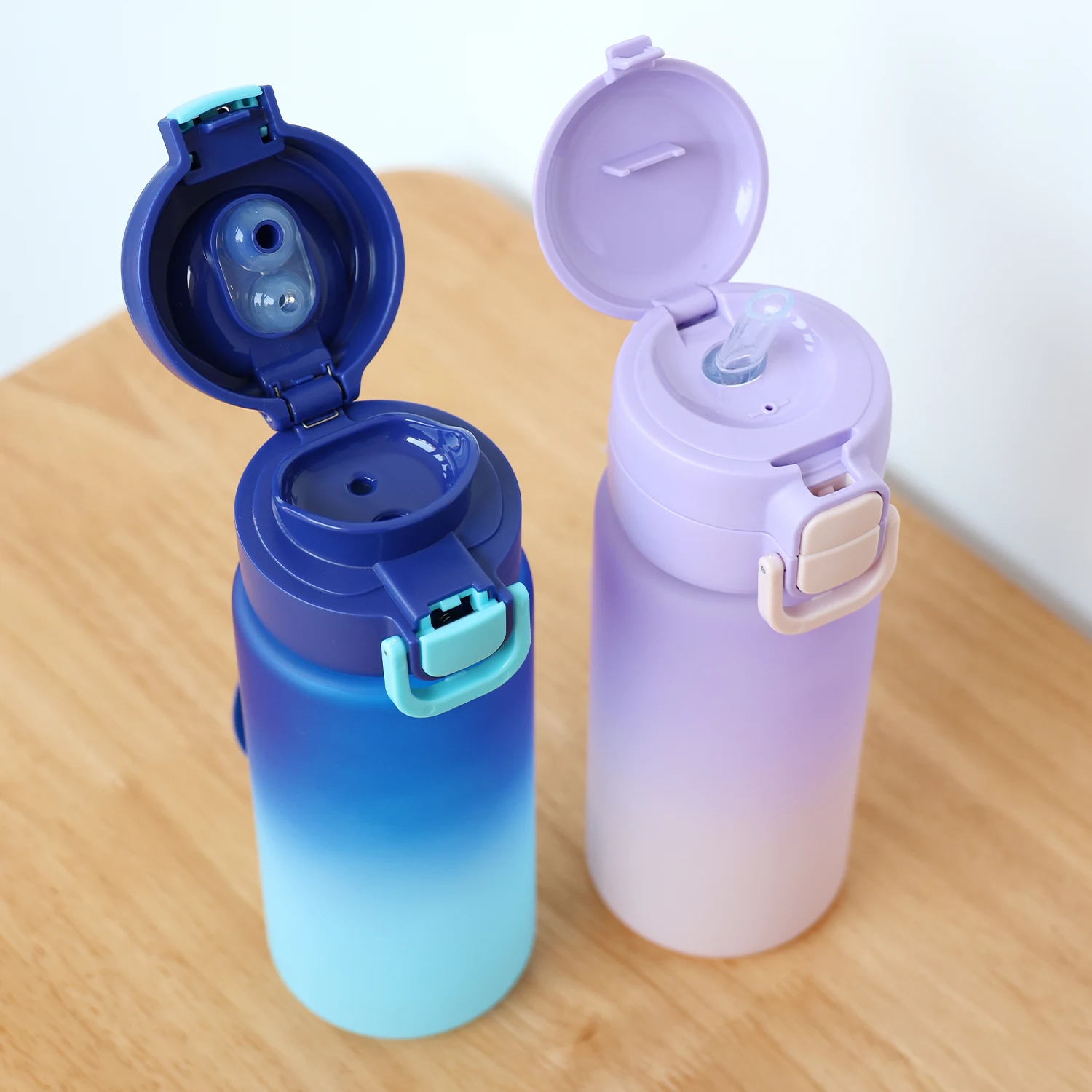 How Can Corporate Buyers Roll Out Branded Water Bottles Across Multiple Offices?
An actionable B2B guide to corporate water bottle gifts: recipient allocations, branding approvals, office drop shipments, packaging, budgets, timing and exception planning.
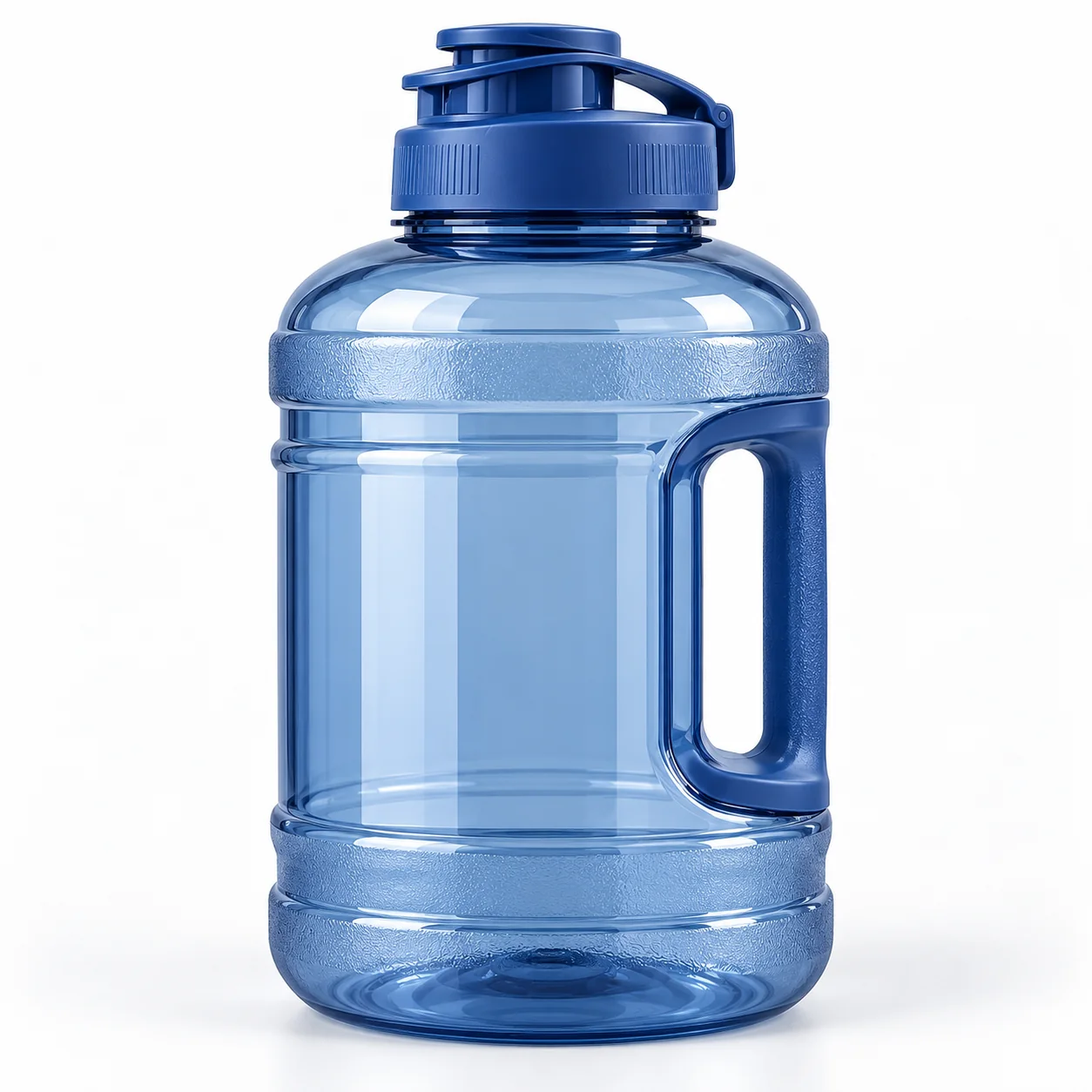 What Should a Wholesale Water Bottle Carton Label Include for a Retailer or 3PL?
A practical B2B carton-label and case-pack checklist for plastic drinkware importers: SKU variants, GTIN versus SSCC, scan tests, pallet records and warehouse receiving.
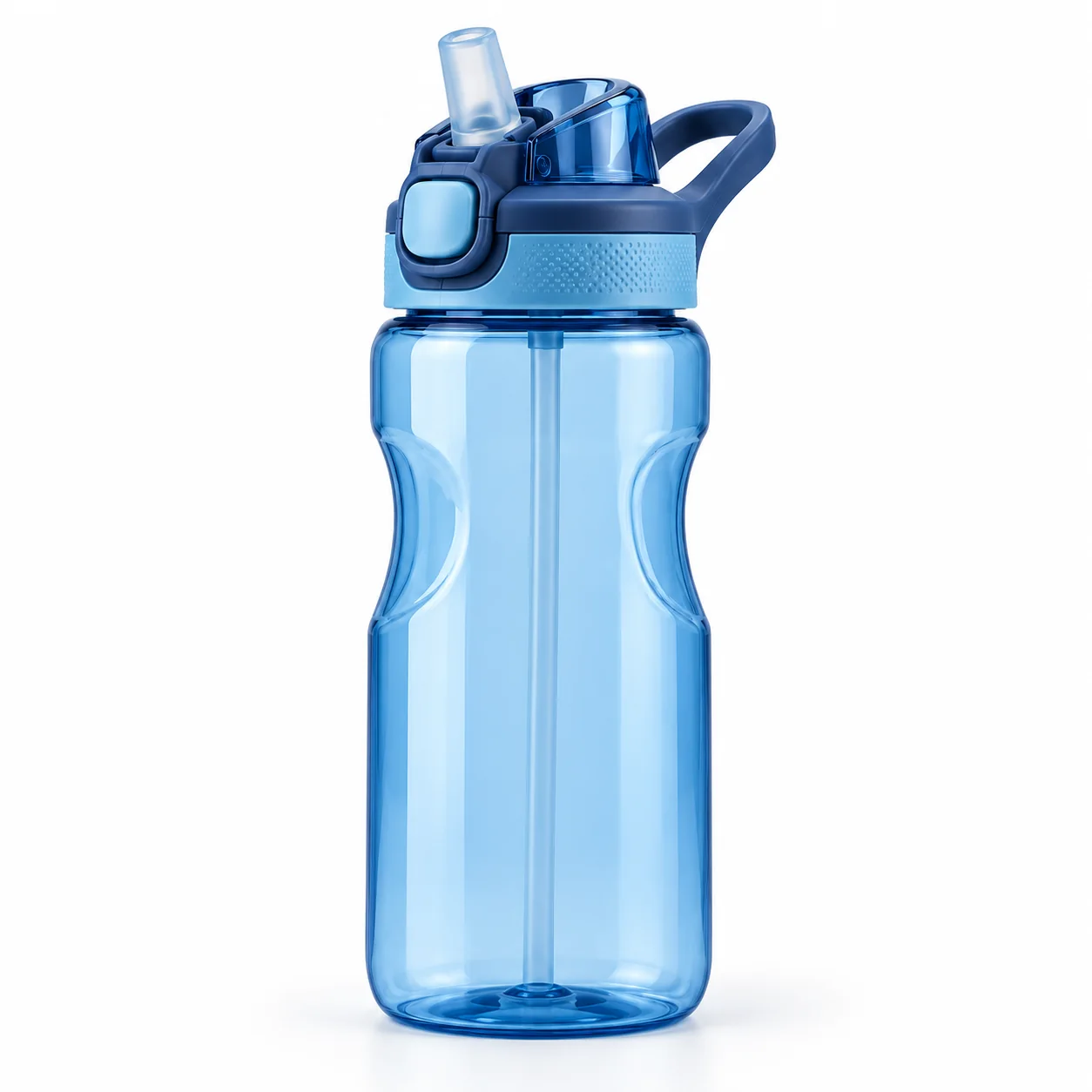 How Do Distributors Plan Reorders for Custom Water Bottles Without Stockouts?
A B2B reorder worksheet for private-label water bottle distributors: sell-through, production stages, forecast error, spare lids, variant MOQ, reorder points and cash flow.