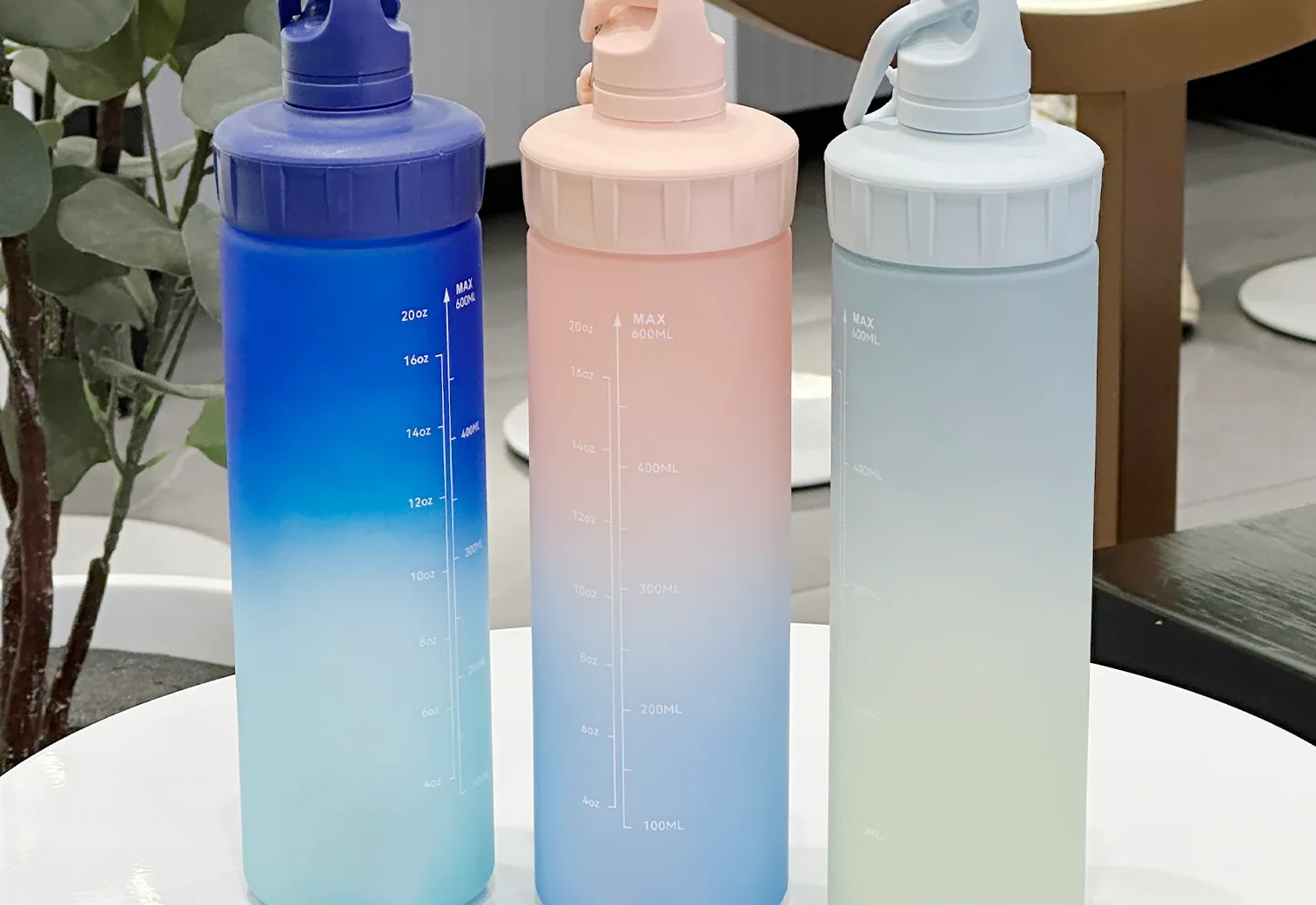
Why does your reusable water bottle smell bad even after you wash it? The cause is often not the large bottle wall but a damp straw, gasket, mouthpiece or lid channel that was never fully cleaned or dried. Drinks, detergent residue and certain material or coating odors can also contribute. Do not cover a persistent chemical-like odor with perfume or assume every smell means the same thing. Start with the manufacturer's approved cleaning instructions, inspect removable parts and stop using a bottle that has visible growth, damage or an odor that persists after proper cleaning.
- Empty and inspect the bottle when odor appears
- Check the cap, straw, valve and gasket separately
- Do not use a bottle with visible growth or persistent damage
Why does a water bottle smell after washing?
Washing the visible inner wall may leave moisture and residue behind a silicone ring, inside a straw or under a drinking valve. A bottle stored with its cap tightly closed while damp is less likely to dry well. Sweetened drinks or flavored beverages can leave more residue than plain water. Some new products have packaging, coating or manufacturing odors, but a new-product smell is not proof of safety or the absence of a problem. Compare where the smell is strongest—empty body, open cap, straw or gasket—before deciding what to clean or replace.
How can you tell whether the odor is in the lid or body?
Empty the bottle, inspect it in good light and separate only the parts designed to come apart. Smell the clean, dry body and lid individually without putting your nose into a contaminated container. Examine straw ends, spouts, threads and gasket grooves for film, discoloration or residue. If the lid smells strongly while the body is neutral, the lid assembly may need more careful cleaning or a compatible replacement. If visible mold or slime is present, stop drinking from the bottle and follow trusted cleaning or replacement guidance. Odor alone cannot diagnose a specific organism.
What is the safest first cleaning step?
Follow the manufacturer's washing directions and use suitable dish soap, clean water and an appropriately sized bottle or straw brush for components that can be washed. Rinse all food-contact parts thoroughly and allow them to dry fully before reassembly. Do not force a gasket out if it is not designed to be removed. Avoid mixing household cleaners or trying extreme heat or strong solvents without approved instructions; such methods can damage polymers or decorations and introduce new hazards. For persistent contamination, consult the manufacturer's guidance rather than improvising an aggressive chemical soak.
Why does the straw lid keep smelling even when the bottle looks clean?
A straw, flexible valve or cap may have a narrow passage and a sheltered seal seat. Residue can remain where a sponge or wide bottle brush cannot reach. Ask whether a small straw brush is recommended and how the straw or gasket may be replaced. A removable cap is not automatically dishwasher safe. Always confirm temperature and detergent instructions before using a high-heat cycle. For daily users, complete drying and access to replacement wear parts can matter as much as the nominal resin of the main bottle. Use sports bottle model 2309 as a precise model reference; request the specific construction and evidence rather than assume extra features.
Does a new plastic smell mean a water bottle is unsafe?
There is no reliable conclusion from smell alone. Materials, inks, packaging and storage can contribute to odor, while some unacceptable issues may have no obvious smell. Check the labeled resin, seller documentation, intended food-contact use and care instructions for the exact model. If a strong chemical-like odor persists, the bottle is damaged or you experience irritation, stop using it and ask the retailer or manufacturer for a replacement and documentation. A brand should not promise odor-free performance without an agreed finished-product test and suitable storage conditions.
What can a wholesale buyer do to avoid odor complaints?
Include cleanability in product selection. Review whether users can reach the inner wall, drinking spout, straw, threads and seal seat without special tools; request clear care instructions and component diagrams. Approve a sample, document the material grades, cleaning method and final packaging, then check for unacceptable odor when cartons are first opened and after the agreed cleaning protocol. Ask how replacement lids or straws are identified and supplied. Distinguish an odor finding from a food-contact regulatory result: both require evidence and neither substitutes for the other. Use sports bottle model 2310 as a precise model reference; request the specific construction and evidence rather than assume extra features.
How to compare models and write an odor-control purchase brief
When comparing different caps or capacities, prioritize a configuration whose food-contact parts are accessible for cleaning and drying. List the chosen model, cap and straw design, permitted liquids, drying instructions, customer market, expected use frequency, logo decoration, packing format and after-sales spare parts. Ask the supplier to specify acceptable appearance and odor criteria for sample approval, without claiming universal absence of odors. Preserve an approved sample and complaint-handling procedure so a customer report can be traced to the actual production batch and component configuration. Use shaker model 5247 as a precise model reference; request the specific construction and evidence rather than assume extra features.
Cleaning evidence for odor and damp bottle parts
Clinical guidance points to moisture and residue in removable seals and straw assemblies; finished-product odor claims require model-specific tests.
Practical next step: Inspect lid passages and approved cleaning methods; keep material and lot records for recurring complaints.
Primary references
External regulations and standards are independent references, not product certification or proof of testing by XUYI. Confirm applicability and the latest rules for the exact product, destination and transaction date.
Odor troubleshooting: inspect the hidden areas
Locate retained residue before deciding whether to clean or replace components.
| Observed issue | What to check | Question for the supplier |
|---|---|---|
| Straw and spout smell | Inspect channels and removable parts | How should users clean or replace the straw? |
| Body smell | Review liquid use and drying | What cleaning restrictions apply? |
| New bottle odor | Inspect packing and exact materials | What lot inspection criteria are used? |
| Recurring complaints | Trace the cap and gasket revision | Can replacement wear parts be supplied? |
Buyer decision criteria, not XUYI certification, published MOQ or guaranteed delivery times. Verify the exact model and market requirements.
Buyer checklist
- Empty and inspect the bottle when odor appears
- Check the cap, straw, valve and gasket separately
- Do not use a bottle with visible growth or persistent damage
- Follow component-specific cleaning directions
- Use approved brushes and mild cleaning products
- Rinse and fully dry before closing the lid
- Avoid mixing cleaners or unapproved boiling treatments
- Request replacement parts for inaccessible or damaged seals
- Check finished sample odor and packaging in quality control
- Keep care instructions and lot traceability for wholesale orders
Frequently asked questions
Why does my water bottle still smell after cleaning?
Residue or moisture may remain in the straw, gasket or cap channel. Inspect and clean removable parts as instructed, then dry everything completely.
Can I use boiling water to remove plastic bottle smells?
Not unless the specific model and all parts are rated for that treatment. Unapproved heat can deform components and cause scalding.
What if a brand-new bottle smells like plastic?
Smell alone cannot prove safety. Check its materials and food-contact documentation, and stop using it if an unusual strong odor persists or the manufacturer cannot explain it.
How do I stop a straw water bottle lid from smelling?
Use the maker's approved disassembly and washing procedure, clean the straw channel thoroughly, dry the parts fully and replace components that remain contaminated or damaged.
Need a quote for a specific model?
Send the model, expected order quantity, logo requirements and destination market. XUYI can review confirmed material and customization options.
Request a Plastic Bottle Quote →