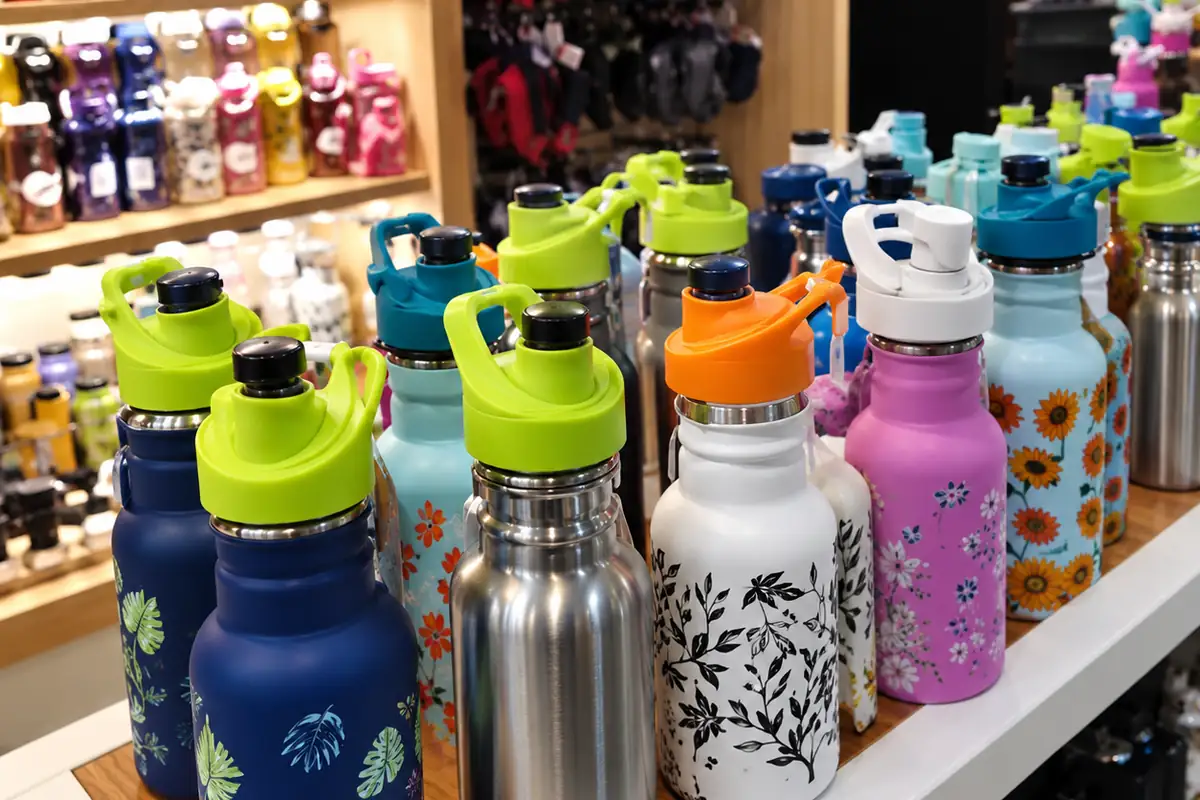
A travel retail buyer is not choosing a bottle for a generic online customer. Airport and rail-station shops need shelf-ready assortments, clear destination-market labeling, controlled cartons and realistic replenishment. This guide covers assortment selection and purchase release while explicitly avoiding claims that a bottle is universally permitted through security or certified for unverified uses.
- Define exact airport or station selling location.
- Classify shopper use by purchase occasion.
- Approve physical body and lid samples.
Define the traveler occasion and the actual selling location
Airport and rail-station customers may need a reusable bottle for onward travel, a souvenir or a last-minute replacement. Those are different purchase motivations, and their shelf requirements should not be blended into one vague request. Map planned sales to an exact terminal, concourse or station shop, including whether bottles are stocked empty, displayed in gift sets or sold with other travel accessories. Verify local operator policies before promising a product can pass any security checkpoint or be filled in a particular zone. Compare the dwell time, shopper language, available fixture width and realistic price band of the location. A high-traffic convenience counter has different display needs from a souvenir wall. Ask the shop manager which problems led to returns or missed sales in comparable categories. Make a first assortment plan using recorded observations, not invented passenger numbers. Give each proposed bottle a buyer role and a documented reason to occupy shelf space. Review model 2030 as a physical reference before approving this variant; confirm its current product record rather than assuming the same material or cap configuration.
Curate an assortment with distinct size and closure roles
Rather than ordering every color of the same bottle, choose a manageable set of functions: a compact everyday option, an accessible sports-style closure and a larger carry option only where shelf space allows. Capacity must be reported in the factory-verified milliliters; overseas oz marketing should use an explicitly approximate size class, never a false exact conversion. Request real samples and confirm height, base footprint, grip and full lid assembly. Check packaging dimensions with the actual fixture before an assortment is approved. Do not assert that a bottle is leakproof, dishwasher-safe, hot-liquid-safe or compliant merely from a product name. Ask for material and food-contact evidence appropriate to the selling market and review cap and seal details. If customers may place a bottle in carry-on baggage, communicate applicable transport or operator policies separately, because product selection alone does not determine admission through security. Hold the signed sample and product data sheet with the retail SKU file. Review model 2059 as a physical reference before approving this variant; confirm its current product record rather than assuming the same material or cap configuration. Review XUYI model 2108 as a catalog option; validate the exact production configuration before selecting it for retail shelves.
Specify shelf-ready labels and destination-market copy
Retail packaging needs more than an attractive logo. Ask the distributor and retail operator for required language, traceability, care instructions, material or importer information and barcode placement in the intended market. Confirm the role of any retailer-specific sticker and whether the manufacturer or importer is responsible for applying it. Never print a certification badge or travel-security assurance without reviewed documentation and permission. If units are displayed without boxes, assess how the cap is protected and how missing small components will be detected. Give the supplier a label artwork file with a version identifier and a checklist of mandatory content. Approve a physical sample in the exact packing format, then test barcode scanning and readability in store lighting. Multi-language packaging can reduce variant count but only if each required claim and instruction is accurate. Ask the store to sign off fixture fit and shelf-facing graphics before release. Keep that packaging master for future replenishment.
Model retailer margin and replenishment, not just factory cost
Build a consistent comparison from the same finished SKU, individual packaging, label configuration, case size, Incoterm and delivered destination. Separate factory price, artwork setup, freight, customs, distribution fees, retailer handling and possible unsold stock. The buying team should know whether a product is replenished centrally, through a regional warehouse or by direct branch delivery. Each route affects carton split, delivery proof and stock availability. A low unit quote may produce a poor result if shelf stock has to be repacked locally. Forecast an initial trial period and a review threshold instead of treating a first order as guaranteed sell-through. Record which designs are seasonal, location-specific or evergreen. Ask for confirmed case measurements and sample timing, and identify the lead-time buffer needed for approval and transport. Do not promise a universal minimum order or production date. Finance and merchandising should evaluate the same landed-cost and case-pack assumptions. Review XUYI model lo-001 as a catalog option; validate the exact production configuration before selecting it for retail shelves.
Design shop and replenishment cartons before shipping
Specify the display stock and backroom reserve separately. Carton labels should show item code, model, color, packing variant, barcode revision, quantity and intended receiving site. Some shops need small case packs because storage space is limited; others prefer standard master cartons through a central distribution hub. Determine that difference before receiving a freight quote. Where a bottle sells in a kit, confirm the actual bundled dimensions and whether the shop will assemble packs or receive pre-packed items. At receipt, verify quantities against the packing list and signed sample. Look for damage, incomplete lids, print defects, incorrect colors and barcode or label mismatches across several cases. Use lot or carton identifiers in claims and quarantine suspect units. A visual receiving audit is not a substitute for material testing or regulatory review. Ask the warehouse to record which part of the shipment was accepted so inventory systems do not release disputed units onto the shelf.
Test merchandising choices without promising performance
Run a measured assortment trial across a small number of comparable shops if the retailer supports it. Compare sales per location and days in stock, not raw volumes alone, and record placement, promotional timing and whether the variant was actually available to purchase. Staff questions about lids, filling or cleaning help reveal unclear packaging copy. A customer comment about quality is useful feedback but not laboratory evidence. Treat fast-selling colors separately from functional configurations when deciding whether to add new variants. For travel retailers, make sure a product description does not imply airport security approval, universal train cup-holder fit or an airline policy that has not been verified. Show a truthful image of the actual model and include verified milliliter capacity. A concise fit-for-purpose note is more credible than a catalog full of unsupported superlatives. Only expand a trial assortment after buyer review of margin, returns and replenishment constraints. Review XUYI model 2209 as a catalog option; validate the exact production configuration before selecting it for retail shelves.
Document the second order and protect the buyer's data
Before a reorder, reconcile receipts, accepted stock, sales, returns, markdowns and transfers. Compare performance only over periods with reliable inventory coverage; an out-of-stock week is not evidence of weak customer demand. Ask the supplier to reconfirm material, lid, packaging, labels and color references rather than using an old image as the sole specification. For retailer-exclusive artwork, record who owns the design and what may be reproduced. Avoid changing a product identity while reusing the previous barcode without checking retailer rules. Keep quotation versions, test or material documents, carton specifications, approved samples, package layouts and defect resolutions with the final order record. Use a replenishment calendar driven by actual demand and approval lead times, with a reserve for delays. This lets airport and station buyers justify a controlled expansion while preserving accurate consumer information and a traceable supplier relationship.
Travel retail supplier comparison gates
Require product and retail evidence before opening a buying order.
| Buying gate | Evidence required | Decision |
|---|---|---|
| Shop role | Terminal location and shopper occasion | Assortment fit |
| Physical sample | Verified model, lid and capacity | Sample approved |
| Packaging | Market-language copy and barcode proof | Ready for shelf |
| Landed cost | Consistent case-pack and delivery quote | Margin reviewed |
| Receiving | Location labels and exception procedure | Stock accepted |
| Reorder | Actual sales and returns by shop | Next quantity |
Buyer decision criteria, not XUYI certification, published MOQ or guaranteed delivery times. Verify the exact model and market requirements.
Buyer checklist
Use these points when comparing a factory sample, artwork approval and purchase quotation.
- Define exact airport or station selling location.
- Classify shopper use by purchase occasion.
- Approve physical body and lid samples.
- Verify factory ml capacity and correct size-class copy.
- Review destination-market packaging information.
- Check barcode, shelf fit and case dimensions.
- Compare true landed cost and retailer margin.
- Map cartons to shops and distribution hubs.
- Record receiving and return exceptions.
- Use observed sell-through for replenishment.
Frequently asked questions
Can a supplier guarantee a bottle passes airport security?
No general product guarantee can replace the specific airport, operator and jurisdiction policies. Verify applicable rules independently.
Should a travel shop stock many bottle sizes?
Start with a small evidence-based assortment tied to shelf space, documented capacity and actual shopper needs.
What packaging facts should the buyer verify?
Review destination-market language, traceability, product care, material disclosures and required importer information with the relevant parties.
What is the safest way to expand the assortment?
Use a controlled trial, accepted stock records, returns and documented replenishment performance before adding variants.
Need a quote for a specific model?
Send the intended model, material requirements, expected order quantity, artwork and destination market. We will review the options for that exact product rather than assume one specification fits every bottle.
Request a Plastic Bottle Quote →Related Buying Guides
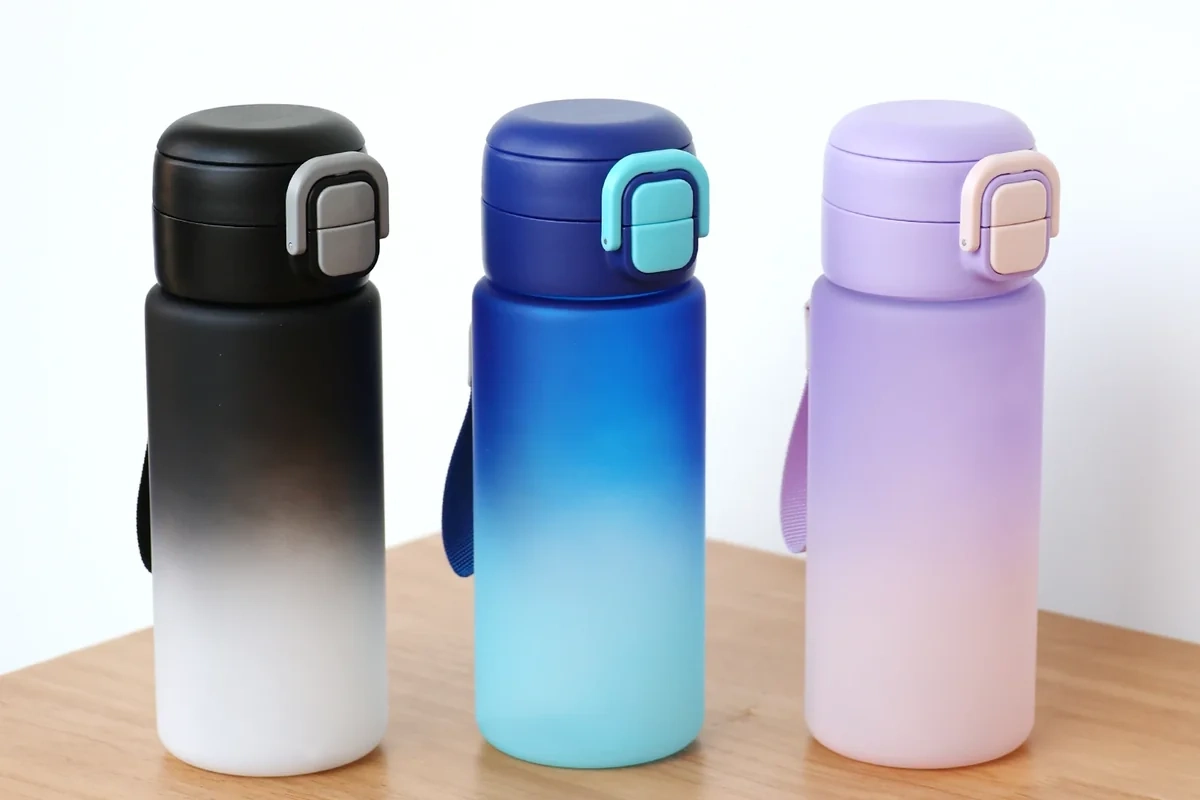 How Should Convenience Stores Choose Reusable Water Bottles for Wholesale Retail?
Convenience store buyer guide: reusable bottle assortment, shelf fit, SKU and barcode controls, case packs, landed cost, inspections and repeat ordering.
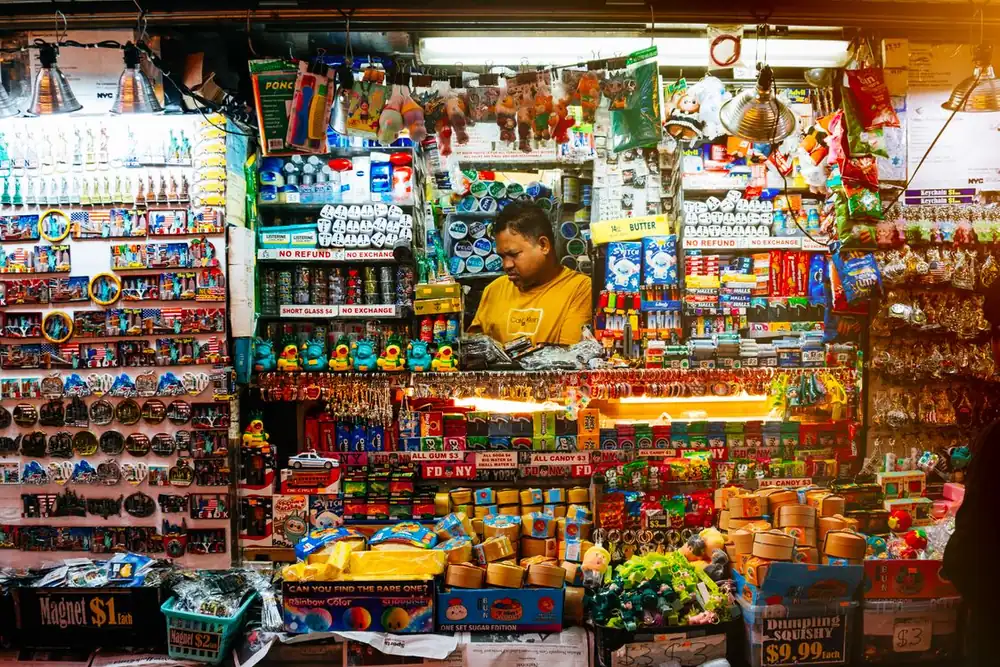 How Can Museum Gift Shops Source Custom Water Bottles for Souvenir Retail?
A procurement checklist for museum souvenir bottles covering licensed artwork, shelf fit, retail barcodes, sample approval, cartons and reorders.
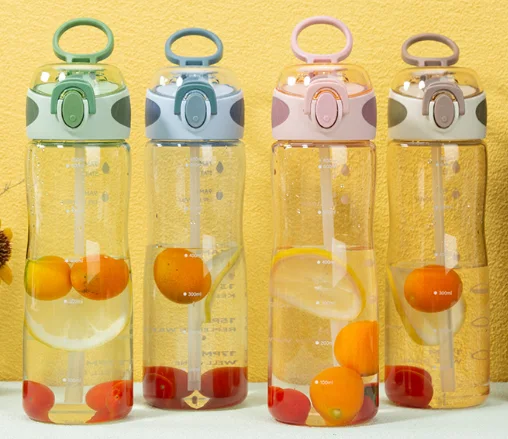 How Can Distributors Build a Profitable Wholesale Water Bottle Assortment?
B2B buyer's guide to choosing a bottle distributor range: buyer segments, verified models, SKU complexity, cartons, demand signals, sampling and service parts.