For bicycle store bottle merchandising, the buying question goes beyond a unit-price quote. This guide covers the actual context of use, complete physical bottle samples, approved branding, delivery verification and repeat purchasing. Contextual photographs are not XUYI product test results or images of verified customers.
- Approve a confirmed demand and allocation matrix.
- Identify the buyer, responsible receiver and target dates.
- Examine a complete physical bottle and cap sample.
Segment cycling retail customers before ordering
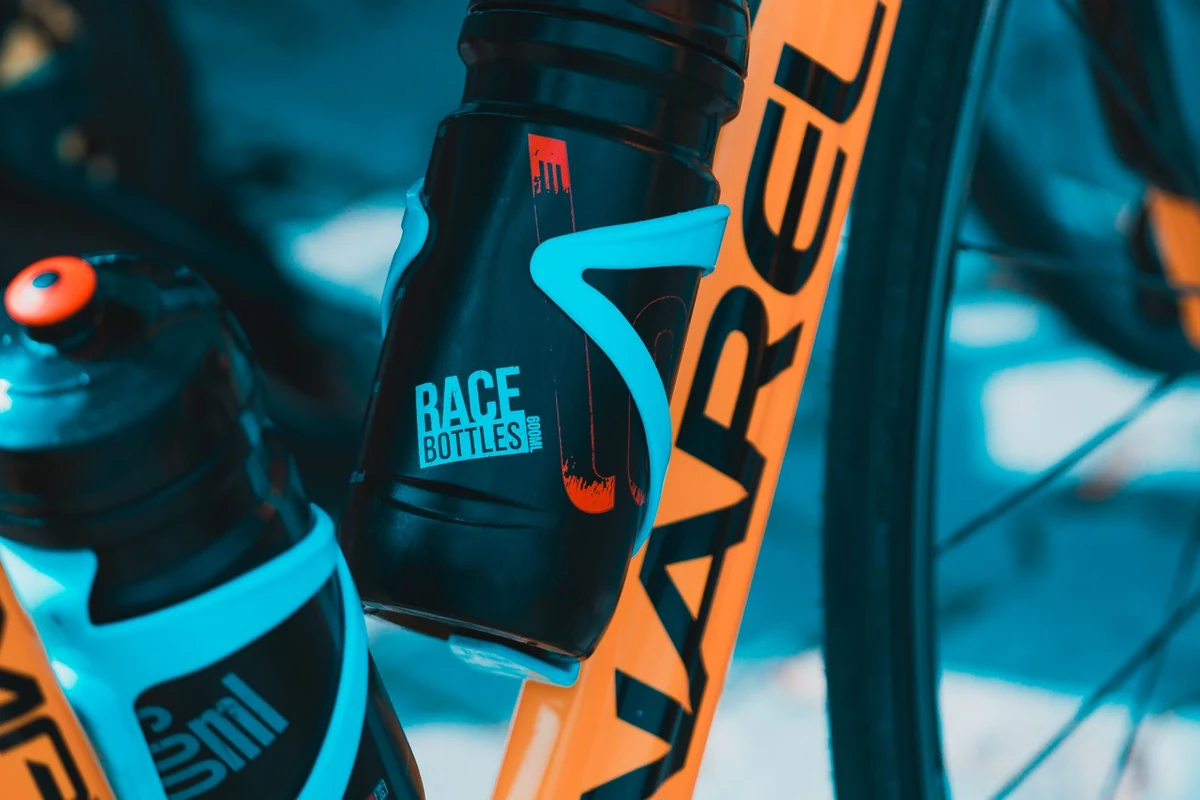
Build distinct ranges for road, gravel, commuter and family cycling buyers instead of buying a single generic bottle based on an attractive product photograph. Use the retailer's own sales data, seasonality and returns to prioritize a manageable assortment. Check whether customers need a bottle that fits a cage, a portable bottle for commuting, or a branded accessory for their club. The image of mounted bottles is a use-context reference rather than evidence that a XUYI model fits every bike. Review model 2030 as a physical reference before approving this variant; confirm its current product record rather than assuming the same material or cap configuration.
Test actual bicycle cage fit and frame clearance
Measure real bottle cages and frame triangles with physical complete samples. The diameter, height, shoulder shape and clearance needed to pull a bottle out can differ across bikes and frame bags. Keep a list of exact tested cage models and any interference. Do not label a general water bottle 'universal bike cage fit' merely because another brand's bottle appears mounted on a bicycle. Product specifications must be approved for the exact offered variant. Review model 2059 as a physical reference before approving this variant; confirm its current product record rather than assuming the same material or cap configuration. Use XUYI model 2402 only as a verified XUYI catalog reference. Request real sample details and check component suitability before procurement.
Check closure handling and complete sample parts
Have store staff handle the body, cap and removable pieces of the supplied sample. Assess the closure and cleaning instructions without encouraging unsafe use while riding. Avoid unverified spillproof, one-hand operation, food-contact or dishwasher claims; demand applicable evidence for the entire assembly and market. Record spare cap availability if the bottle is positioned as durable riding gear. The sales shelf copy should distinguish verified product properties from marketing imagery.
Plan store logos, colors and shelf barcode labels
Select a small core assortment of approved sizes, colors and packaging rather than accepting a random mixed carton. Separate retail stock from shop-branded or cycling-club decoration and obtain permission for every logo. Review actual printed samples and barcode placement so branding does not obscure product identification. Ask if multiple art and color variants increase the supplier's minimum order or setup fee. A photograph featuring a bike brand is not a manufacturer affiliation. Use XUYI model 2416 only as a verified XUYI catalog reference. Request real sample details and check component suitability before procurement.
Compare shelf margin and seasonal assortment risks
Compare the landed cost of the complete bottle, approved cap, packaging, print, carton shipment and local inventory handling. Include samples, graphic setup and the risk of unsold seasonal colors. Price a narrow trial assortment against a wider launch rather than treating nominal factory unit price as retail profitability. Confirm the agreed Incoterm and freight responsibilities. Do not promise replenishment inside a fixed number of days without supplier evidence.
Inspect wholesale cartons and test retail labeling
At goods-in, count cartons and compare actual bottle and closure designs to the signed sample. Have the shop fit-check selected received units using its standard reference cages, and record which ones were tested. Keep incompatible products under honest general-drinkware labeling rather than marketing them as cage-compatible. Inspect print and barcode accuracy and isolate missing caps or visible cracks before units reach shelves. Use XUYI model lo-002 only as a verified XUYI catalog reference. Request real sample details and check component suitability before procurement.
Use customer fit questions to plan the next order
Review sell-through, color preference, sizing complaints and specific cage-fit returns rather than trusting broad cycling-product trends. Record the exact bike or cage behind any incompatibility report and keep customer remarks distinct from validated tests. Archive sample dimensions, material declarations, component changes, art rights, and the tested-cage list. Every different bottle shoulder, size or cap on a reorder requires an updated retail claim.
Bicycle Store Bottle Merchandising buyer approval matrix
Record verifiable evidence for each procurement gate, not general marketing claims.
| Stage | Required evidence | Sign-off |
|---|---|---|
| Segment cycling retail customers before ordering | Buyer roster or demand forecast | Approve quantity |
| Test actual bicycle cage fit and frame clearance | Signed assembled bottle sample | Approve configuration |
| Check closure handling and complete sample parts | Complete cap, seal and removable-part sample review | Approve closure and care instructions |
| Plan store logos, colors and shelf barcode labels | Approved artwork, color split and barcode layout | Approve artwork and label set |
| Compare shelf margin and seasonal assortment risks | Equivalent landed-cost quote | Approve commercial terms |
| Inspect wholesale cartons and test retail labeling | Receiving checks and carton record | Approve receipt |
Buyer decision criteria, not XUYI certification, published MOQ or guaranteed delivery times. Verify the exact model and market requirements.
Buyer checklist
Use these points when comparing a factory sample, artwork approval and purchase quotation.
- Approve a confirmed demand and allocation matrix.
- Identify the buyer, responsible receiver and target dates.
- Examine a complete physical bottle and cap sample.
- Validate any claimed materials and destination-market documents.
- Obtain permitted logo artwork and a decorated proof.
- Define cleaning and spare component responsibilities.
- Compare identical SKUs and delivered-cost components.
- List cartons by real receiving location and variant.
- Check multiple cases against the signed sample at arrival.
- Archive evidence and component versions for reorders.
Frequently asked questions
Is the article's featured bottle photograph an exact XUYI SKU?
No. The photo illustrates a real usage scenario. The buyer must check the complete physical sample and its actual specification.
Can we claim leakproof, food-safe or dishwasher-safe without documentation?
No. Require applicable records for the final materials and cap assembly in the intended market.
Can we mix colors and logos without setup charges?
Not necessarily. Request confirmed variation minimums, permissions, setup costs and labeled packing splits.
What should buyers keep for repeat orders?
Keep the signed sample, precise SKU and lid list, artwork version, quotation, carton plan and any receiving discrepancy reports.
Need a quote for a specific model?
Send the intended model, material requirements, expected order quantity, artwork and destination market. We will review the options for that exact product rather than assume one specification fits every bottle.
Request a Plastic Bottle Quote →Related Buying Guides
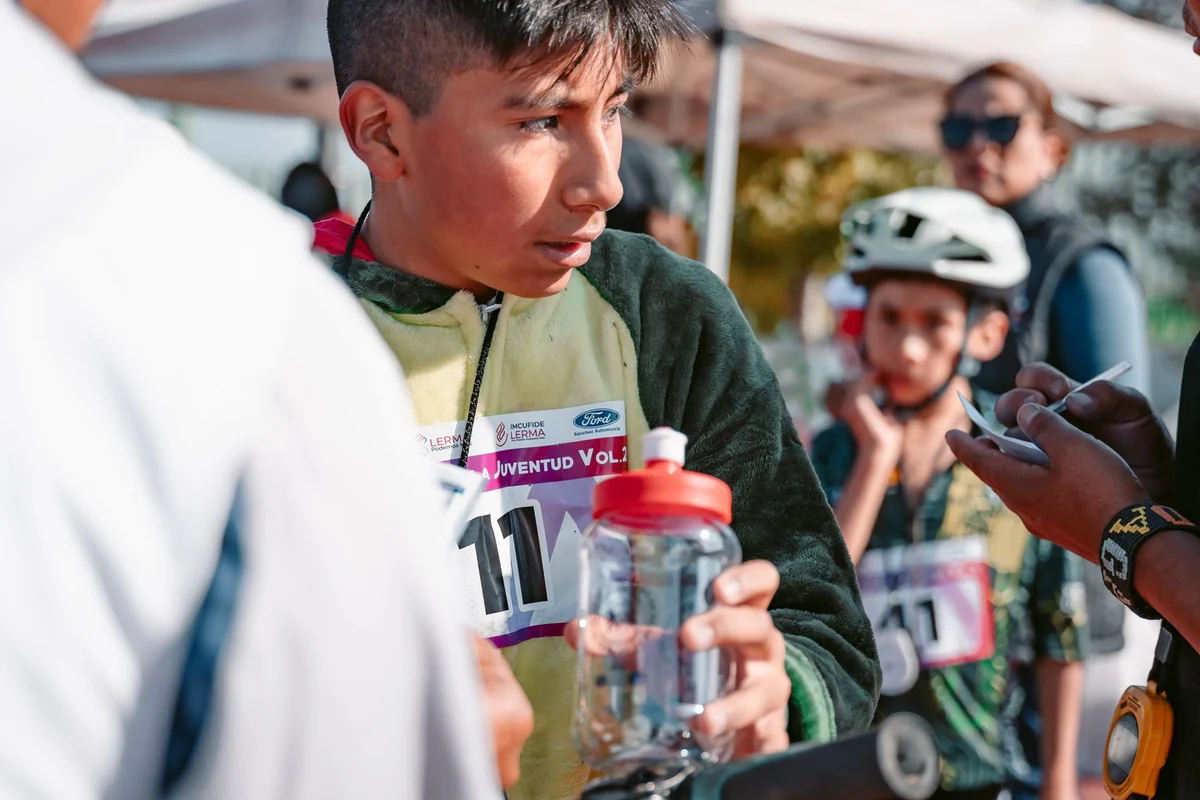 How Should Cycling Clubs and Race Organizers Buy Branded Water Bottles in Bulk?
Cycling race water bottle wholesale guide: rider allocation, cage fit, printing, packing by start wave, delivery dates and receiving inspection.
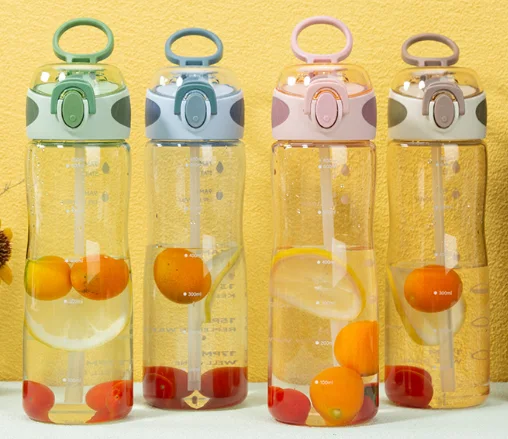 How Can Distributors Build a Profitable Wholesale Water Bottle Assortment?
B2B buyer's guide to choosing a bottle distributor range: buyer segments, verified models, SKU complexity, cartons, demand signals, sampling and service parts.
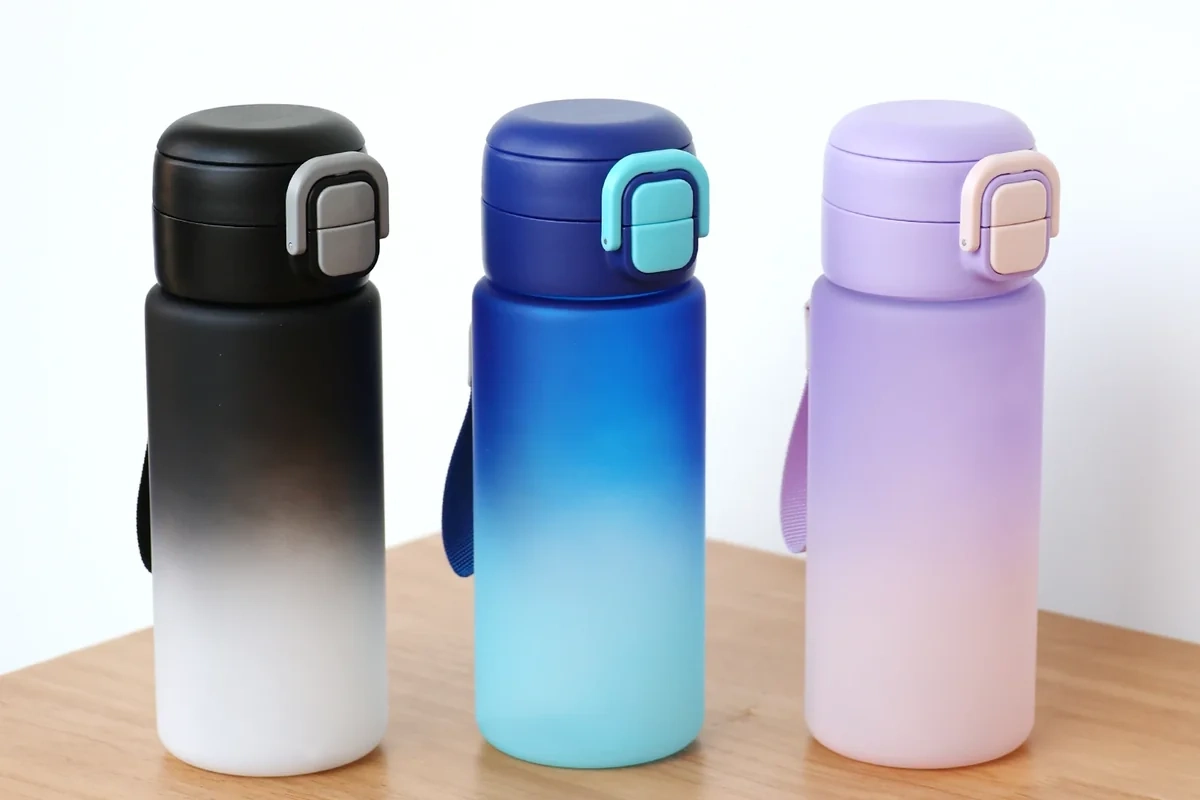 How Should Convenience Stores Choose Reusable Water Bottles for Wholesale Retail?
Convenience store buyer guide: reusable bottle assortment, shelf fit, SKU and barcode controls, case packs, landed cost, inspections and repeat ordering.