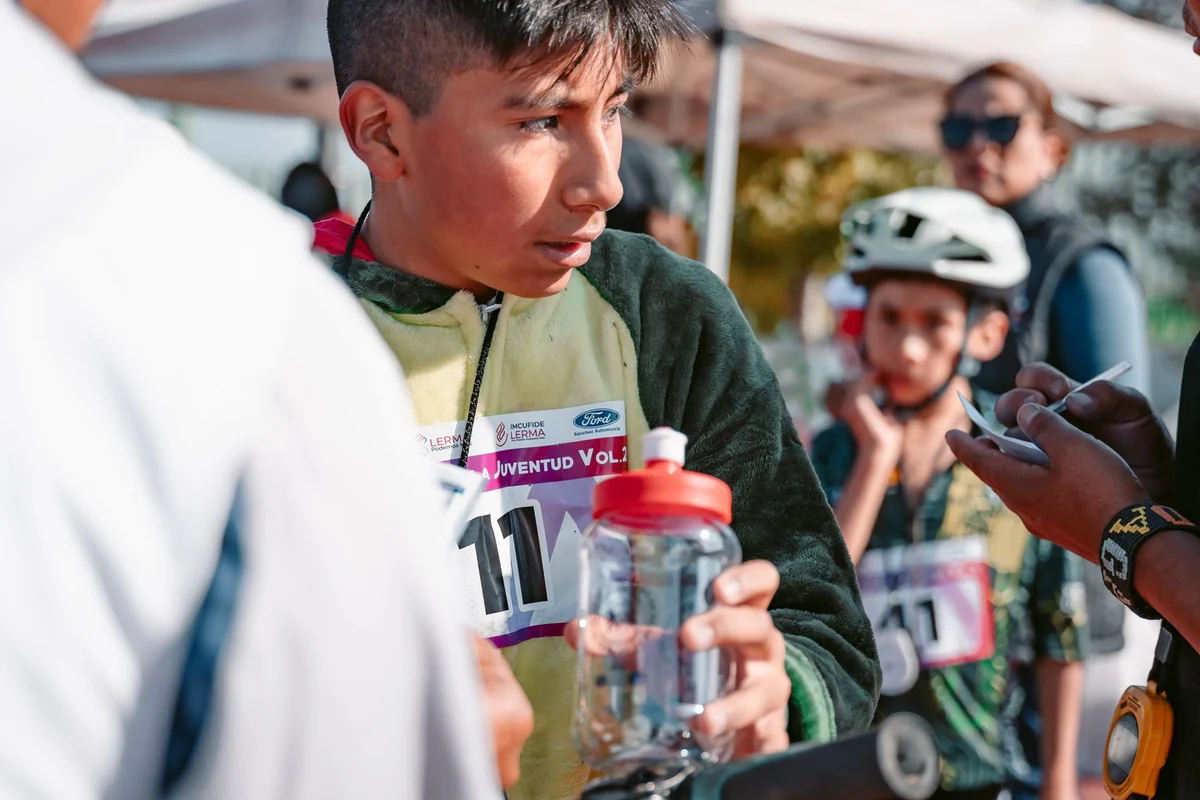
A cycling event bottle is not simply another promotional giveaway: it must suit a defined rider group, an approved design and a time-sensitive distribution plan. This guide helps clubs, charity rides and race organizers translate entrant counts into a practical wholesale specification, approve samples and plan logistics without claiming universal fit or unverified bottle performance.
- Separate participant, volunteer and resale quantities.
- Select exact model and cap options for physical sampling.
- Record safe, stationary cage and kit-fit tests.
Forecast the allocation by rider and event role
Build demand from paid registrations, volunteer headcounts, participant categories and sponsor allocations, not the highest number posted on a previous race poster. Decide whether a bottle is issued with entry packs, sold at an expo or held for aid-station staff; each channel needs separate inventory and payment treatment. Split the quantity by start wave, venue or distance, and assign an owner for the reserve stock. Keep the confirmed number distinct from forecast late entrants and possible replacements so the purchasing file can explain how the final quantity was approved. Ask each receiving team how it will hand out or store the items on event day. If volunteers need to select different designs under time pressure, identify the exact artwork variation and carton label they should see. Put event date, model options, expected unit count per site and approval authority on the quotation request. The first supplier comparison should therefore relate to a specific operational plan rather than a generic phrase such as 'sports bottles for the race.' That simple discipline controls excess stock and makes an eventual reorder auditable.
Test physical samples rather than assuming universal cage fit
Bicycle bottle cages, carrying packs and seat-bag arrangements differ. Request a real sample of each proposed model with its final cap and check the bottle against representative equipment under safe, stationary conditions. Note the actual height, grip, opening access and whether the complete unit fits the planned rider pack. Avoid promising a perfect cage fit or a leakproof seal merely because the sample looks like a cycling bottle in a photograph. Where a rider uses equipment not tested by the organizer, describe the giveaway as a general-purpose bottle rather than a guaranteed cycling accessory. Ask for precise component identification and relevant material documentation for the destination market and age group. Include the complete cap and any removable seal, not just the body, in the test sample. Keep photographs and a signed physical-sample reference with the purchase order so a later color substitution cannot accidentally change the fit decision. Riders should never be instructed to operate or test an unfamiliar bottle while moving. A practical buyer brief records what was actually examined, which cage or carry method was used, and which suitability questions remain open. Use large jug model 2305 to compare large-jug packing, handle and closure questions without assuming the same controls as a small bottle.
Approve sponsor artwork before ordering several variants
Cycling events often feature the organizer's mark, team colors, multiple sponsors and a date-specific identity. Verify permission to reproduce each logo and designate one approver for the finished print. Provide vector files, readable hierarchy, approximate logo area and exact spelling; request production-representative samples for the selected body and decoration method. A tiny date or thin sponsor mark may appear clear on screen but become illegible on a curved surface. Inspect the approved sample while the cap is fitted, and record whether any print lies near a grip or labeling area. Version each design by sponsor set, team and event year, and prohibit undocumented substitutions after sign-off. Ask whether different print colors or bottle bodies create separate setup charges or minimum quantities. Keep a plain proof history showing who approved each revision and when. An electronic mock-up is helpful for layout approval but is not proof of abrasion resistance, durability or color consistency. Before releasing the production order, reconcile the signed art revision against the SKU and carton labels so volunteers do not discover a sponsor or date mistake at registration.
Compare the full landed cost against the event budget
Ask for like-for-like quotes with the same model, cap, decoration, sample quantity, printing setup, carton split and shipping destinations. Separate factory unit cost from packaging, freight, customs where relevant, local receipt and any event-warehouse handling. For bottles sold at an expo, evaluate saleable-unit cost after transaction charges and likely unsold stock. For free race packs, calculate cost per authorized recipient, not an invented retail margin. If sponsors pay for particular designs, record which costs are chargeable to each sponsor and who carries the expense of extra stock. A price table can look attractive while hiding an extra setup fee for every team color. Confirm minimums per physical variant and obtain carton dimensions before comparing freight quotations. Keep supplier commitments distinct from estimates and do not promise a universal production lead time. Reserve a realistic contingency for approved sample corrections and transport variability. Finance should sign off only after the same purchase assumptions appear in the quote, procurement request and race distribution sheet. This lets event teams choose a simpler single-design order when a complex assortment adds more handling than value. Compare the physical water jug model 2282 option for guide or larger-team distribution only after confirming closure, transport and care requirements.
Label cartons for race packets, waves and venues
Prepare an allocation map by start wave, event venue, expo table or volunteer station and turn it into a case-label specification. Each carton should identify the model, color, artwork revision, unit count and destination in terms the receiving person understands. If units are packed inside bib kits, test the actual packaging dimensions before placing the whole order. Decide whether the supplier should pack in individual sleeves or ship master cartons for local assembly, and include this distinction in the freight estimate. Confirm the destination address, loading access, receiving contact and cutoff before setting a delivery date. A race packet team cannot wait for staff to recount mixed unlabeled cartons during check-in. Obtain a packing list that can be reconciled to the physical cases and keep a small reserve away from general sale stock. Coordinate artwork approval, sample clearance, production slot, customs and transport in one schedule rather than assuming an expedited courier can recover any delay. If the venue changes, update the receiving plan without silently changing the product or approved artwork.
Set a receiving inspection appropriate to the event
Compare received goods with the final approved sample, checking model, lid and seal components, cracks, obvious sharp areas, print placement, sponsor spelling, color, carton damage and quantity. Agree beforehand which defects prevent distribution and which cosmetic variation may be accepted, using the actual sample as the reference. Review cartons from different pallets or delivery batches and make a dated discrepancy report with photos that include carton numbers and product identifiers. Never label an item food-contact compliant, dishwasher-safe or guaranteed leakproof based solely on a visual inspection. Where the supplier provides spare lids or other components, request part numbers and confirm fit for the selected bottle body. Agree how short shipments, damaged units or incorrect event logos will be credited, replaced or escalated while there is still time. Keep accepted, rejected and damaged stock separate from race-day allocation sheets. If a club has several participating teams, document the exact designs and counts for each so a problem can be traced quickly. This avoids making volunteers settle supplier disputes at the finish-line table. A carry-loop sports reference such as sports bottle LO-002 still requires an exact lid and cleaning assessment before being offered to students.
Use post-race counts to create a defensible reorder
After the race, reconcile quantities delivered, handed to entrants, sold, transferred to volunteers, damaged and left unused. Separate attendee feedback about convenience or cap operation from technical properties that would need product testing. Review whether carton splits worked, how many volunteers handled the handover and whether any late sponsor changes complicated printing. Store the SKU, approved cap, artwork revision, receiving checklist, quotation, delivery exceptions and stock reconciliation together, so the next event manager is not dependent on an individual's inbox. Before repeating a seasonal race order, confirm current component availability, quoted costs and printing method. An apparently unchanged SKU can still be ordered with a different cap or decoration unless the purchasing document fixes the exact version. Treat date-specific leftover bottles differently from general club merchandise when setting reorder levels. Demand should be projected from observed participant behavior and the next event's registration forecast, not an automatic copy of this year's purchasing quantity. A controlled record protects both sponsor relationships and the club's event budget.
Race organizer purchasing gates
Release a defined order only when each event-specific evidence file is complete.
| Stage | Evidence to keep | Buyer release |
|---|---|---|
| Allocation | Registration and staff distribution forecast | Quantity approved |
| Fit | Real sample and stationary equipment trial | Exceptions recorded |
| Artwork | Sponsor permissions and proof version | Design approved |
| Price | Landed-cost and minimum-quantity sheet | Budget authorized |
| Delivery | Carton-to-venue map and contacts | Receiving ready |
| Inspection | Accepted reference and defect record | Usable goods released |
Buyer decision criteria, not XUYI certification, published MOQ or guaranteed delivery times. Verify the exact model and market requirements.
Buyer checklist
- Separate participant, volunteer and resale quantities.
- Select exact model and cap options for physical sampling.
- Record safe, stationary cage and kit-fit tests.
- Request model-specific material documentation.
- Sign off sponsor rights and dated print proofs.
- Compare full landed costs and variant minimums.
- Label cartons by wave, venue and design version.
- Agree inspection and replacement procedures.
- Reconcile usable stock against distributions and sales.
- File approved specifications before the next event.
Frequently asked questions
Will one bottle fit every bicycle cage?
No. Measure the physical sample against the actual cage types used in a supervised, stationary check. Do not promise universal compatibility.
Can a race print logos from different sponsors?
Potentially, depending on the approved decoration area. Obtain rights and sponsor sign-off, then approve the final physical proof for the specific SKU.
Should bottles be packed by start wave?
Wave or venue-level carton labeling reduces handover confusion. Align the packing list and case quantities with the documented distribution plan.
What records should the club save for reorders?
Keep the exact bottle and cap variants, material checks, artwork proof, packaging labels, quote terms and goods-receipt findings.
Need a quote for a specific model?
Send the model, expected order quantity, logo requirements and destination market. XUYI can review confirmed material and customization options.
Request a Plastic Bottle Quote →