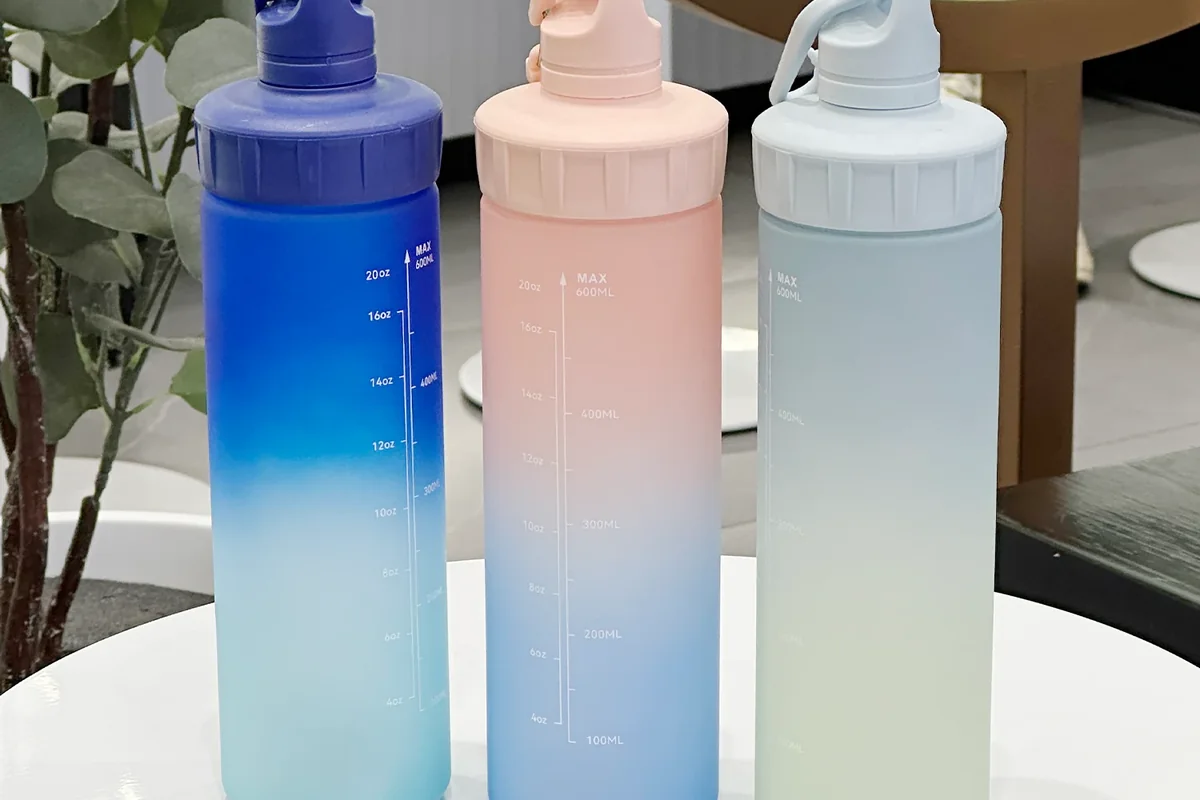
Camp operators buy drinkware for programs with defined arrival dates, changing age groups and limited time for distribution. This guide turns the request into a model-specific wholesale brief covering grip and cap testing, name identification, group packing, sample approval, inspection and replacement planning without assuming any product is appropriate for every child.
- Forecast verified enrollment, staff and buffer quantities by session.
- Confirm intended age group and supervised use conditions.
- Evaluate physical lid, grip, cleaning and carrying samples.
Translate the camp program into a realistic order plan
A day camp, overnight program and sports clinic can have very different distribution patterns. Begin with confirmed enrollment by age band, session dates, staff requirements and planned backups. Separate first-session deliveries from replenishment and late registrations. Decide whether the bottle belongs to each camper, stays at the activity center or is included in a branded welcome pack. Ask supervisors who will hand out items and how lost or defective bottles will be replaced. Include separate quantities for staff and participants if their formats differ. Do not pick a model just because an earlier camp used a similar silhouette. A procurement brief should identify the intended age groups, supervision setting, destination and exact SKU options to be sampled, because size, cap access and carrying comfort can change with the user.
Evaluate lids, grip and identification in supervised use
For a youth program, an attractive lid is not enough. Ask for physical samples and test opening, closing, cleaning access, carrying loop, straw removal if present and ease of labeling. Review the suitability of the selected format with camp leaders and guardians where appropriate, especially for younger participants. A product's catalog capacity does not establish age suitability, or guarantee resistance to leaks, drops or prolonged outdoor temperatures. Test the filled bottle using the actual bag, cubby or coach's carrier used by the program. Compare samples under realistic supervised conditions and record which caps staff can assemble and clean correctly. Choose a clear identification method, such as a designated name-label area, and check that applying a label does not obstruct care instructions or essential markings. For a catalog starting point, kids bottle model 2106 is listed as a kids-format model, but suitability and age-market evidence must be checked for the actual school contract.
Verify material claims and program requirements early
Buyers sometimes ask for BPA-free, dishwasher-safe, food-contact or impact-resistant bottles without specifying the market or test scope. Ask the supplier to identify the actual body, cap, seal and straw materials for the proposed configuration. Request supporting documents relevant to the destination market and applicable age group rather than accepting a generic certificate unrelated to the supplied item. Confirm that artwork ink, packaging and accessories are included in the assessment where required. Do not assume a factory can certify every customized variant based on one older report. If the camp needs particular washing or refill practices, review manufacturer care instructions and verify them on a retained sample. Keep compliance questions separate from styling requests so the quotation does not become an unsupported product-safety promise.
Design camp branding and individual identification together
A camp logo can occupy the same surface that staff need for participant names, class color or session identification. Decide the priority before asking for print proofs. Supply approved vector artwork, the print area, approved colors and the number of distinct versions. For several sessions or sponsor partners, request separate proof numbers and make the approval owner explicit. A digital proof may show placement but cannot verify abrasion resistance or a particular print process. Ask the factory which decoration methods are available on the exact model, and agree what physical sample will represent the finished order. If individual names are added after delivery, test the chosen writing or labeling material on a sample rather than claiming universal compatibility. Record how many blanks and extras are needed for late campers. For higher-volume room or activity allocations, compare water jug model 2305 by exact carton count and physical sample, not by image alone.
Pack for session dates and multiple camp locations
The total headcount may be correct but delivery can still fail if the bottles arrive after the first group reaches camp. Prepare a packing plan by site, age group or cabin, program session and handover date. Confirm units per carton, carton label content, physical dimensions and the unloading address. Ask whether shipment should be staggered and what additional charges or carton minimums that creates. Reconcile production lead time, artwork approval, dispatch and customs assumptions before communicating an internal deadline. Keep route and destination changes separate from the model specification so a shipping change does not silently alter the bottle order. If event dates are fixed, retain backup stock locally rather than assuming express freight can recover any production delay.
Approve a sample and agree how defects will be handled
Inspect a decorated sample with the actual cap, straw if included, carry parts and proposed name-label method. Write acceptance points: visible cracks, print placement, wrong color or model, incorrect component count, sharp or rough areas, cap engagement and damaged cartons. Define an inspection sample size and what triggers an escalation. In a group setting, missing components can cause more disruption than a minor cosmetic issue; the purchasing team should identify which defects prevent distribution. Keep approval photos showing the model and artwork revision. When stock arrives, check more than one carton and document short shipments or damage before handing everything to program staff. Ask about replacement components only after confirming they match the selected model; similar-looking lids may not be interchangeable. A carry-loop sports reference such as sports bottle LO-002 still requires an exact lid and cleaning assessment before being offered to students.
Turn post-camp feedback into a controlled reorder
After each session, count distributed, unused, lost, damaged and retained bottles separately. Ask staff what caused bottlenecks during filling, cleaning and name identification, and keep observations distinct from laboratory performance claims. Review whether a smaller or larger format would help a different age band, using actual samples and supervised evaluation rather than assumptions from catalog photos. Record the exact SKU, accepted components, material confirmation, decoration version, carton configuration and supplier response to any defects. When reordering for the following season, confirm whether stock, tooling, inks and parts are still available and whether minimums changed. Keep enrollment projections current; a prior year's participant count alone is not a safe purchase quantity.
Summer camp bottle procurement release gates
Separate actual tested samples and event logistics from unverified promotional claims.
| Gate | Evidence to retain | Buyer decision |
|---|---|---|
| Users | Age-group, staff and session distribution plan | Intended use recorded |
| Fit | Real cap, grip and filled-bottle check | Supervised handling reviewed |
| Materials | Item-specific material and market documents | Open requirements resolved |
| Branding | Approved logo and name-label sample | Print version released |
| Dispatch | Carton split and session delivery plan | Receiving schedule accepted |
| Acceptance | Defect criteria and replacement plan | Camp-ready stock confirmed |
Buyer decision criteria, not XUYI certification, published MOQ or guaranteed delivery times. Verify the exact model and market requirements.
Buyer checklist
- Forecast verified enrollment, staff and buffer quantities by session.
- Confirm intended age group and supervised use conditions.
- Evaluate physical lid, grip, cleaning and carrying samples.
- Request model-specific materials and relevant documentation.
- Separate camp logo space from individual name identification.
- Approve representative decoration and packing samples.
- Divide cartons by camp site, age group and session date.
- Plan delivery around confirmed production and transport dates.
- Agree defect thresholds and model-specific spare-part checks.
- Reconcile handover counts and save a controlled next-year specification.
Frequently asked questions
Can one bottle model serve every age group at camp?
Not necessarily. Review the cap, grip, filled weight and cleaning process using physical samples with supervisors. Verify applicable product information for each intended user group before committing to one model.
Can campers' names be added to custom bottles?
A separate label or approved personalization method may work, but space, decoration process and cleaning conditions matter. Test the exact label or marking on a sample and keep mandatory product markings readable.
What should a camp operator include in an RFQ?
Provide the intended age group, program dates, exact model options, quantities by session, approved artwork, packing by destination, component requirements and market-specific documentation requests.
Should the camp buy spare lids with the bottles?
Ask for part numbers and compatibility for the selected body and cap before buying spares. Similar cap shapes do not prove fit; approve a physical test where needed.
Need a quote for a specific model?
Send the model, expected order quantity, logo requirements and destination market. XUYI can review confirmed material and customization options.
Request a Plastic Bottle Quote →