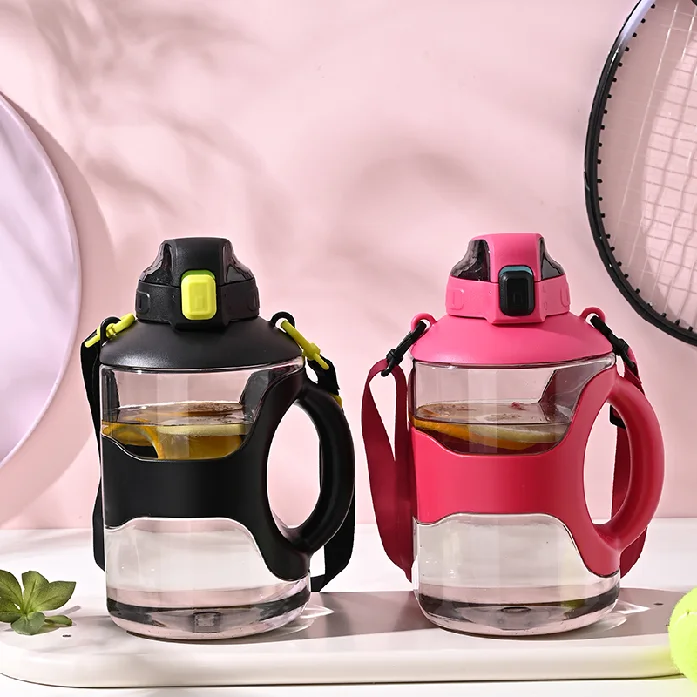
A reusable bottle can support a hotel guest program, a conference welcome amenity or a resort activity package, but hospitality buyers face a different operational problem from promotional-merchandise teams. The bottle must work within the property’s cleaning instructions, storage process, guest communications and replenishment budget. The procurement team should approve the exact body and lid assembly, define the ownership model and pilot a small operational sample before committing to a large order. This guide explains questions buyers can verify; it does not claim a particular catalog bottle has hotel, food-contact or temperature certification.
- Decide whether bottles are gifts, issued stock or retail products.
- Choose the intended guest use and actual body/closure format.
- Review complete assembly materials and target-market evidence.
What guest program will these bottles actually serve?
Specify the setting before shopping for models: in-room welcome gift, retail sale at a resort shop, outdoor activity issue, refill-station program, or a corporate-event amenity. Those uses differ in expected capacity, portability, cleaning responsibilities and packaging. Ask whether guests keep the bottle, return it, or receive a fresh unit during a stay; the answer affects labeling, traceability and stock planning. Take a small set of physical samples through the intended journey from housekeeping store to room, lobby or excursion. Confirm exact catalog code and closure rather than substituting a similarly photographed bottle. Do not promise that an existing product is suitable for hot liquids, repeated high-temperature washing or all destination markets without evidence.
How do housekeeping and food-contact requirements affect the specification?
Request model-specific construction details for the bottle body, lid, seals and any detachable spout or carrying component. Determine who will clean the units, which methods are permitted by verified manufacturer instructions, and how thoroughly the interior and seals can be accessed. A hotel may prefer a design with fewer removable parts if staff must inspect and clean many units, while a take-home gift may need only a clear consumer care card. The destination market and intended beverage contact determine what supporting documents need independent review. A marketing phrase like BPA Free, Tritan or dishwasher safe should never replace actual evidence for the complete assembled unit. Ask for care directions in the languages guests will understand. A smaller handled catalog format such as large bottle LO-003 can be assessed for a property-specific use after verifying its real components and care instructions.
What branding and guest information belong on the bottle?
Approve the property logo, room-program wording, any co-branding, artwork position, and color expectations on a decorated physical sample. Distinguish the hotel’s identity from functional advice: washing limitations and material declarations must be accurate, readable and appropriate for the target market. A printed QR code to a property refill map may be useful only if the link is maintained and the service exists; do not create a nonfunctional guest promise. Hotel chains should maintain a version-coded artwork library and a separate SKU for each property or campaign. Photograph and retain an approved decorated specimen for comparison. Include setup fees, minimums by logo version and acceptance tolerances when evaluating a supplier’s commercial offer.
How should buyers handle rooms, occupancy and multi-property allocations?
Build a demand plan based on the actual number of rooms or event attendees, the issued bottles per participant and the property's replacement or breakage policy. Split the order by location, bottle format, color, artwork revision and cartons rather than using one headline quantity. Coordinate receiving windows with resort seasonal closures, hotel loading restrictions and warehouse capacity. Ask when factory lead time starts after sample and print proof approval. If a group has several properties, identify the consignee for each delivery and decide whether split shipment or central distribution is more economical. A stock buffer should be explicitly approved, not copied from an arbitrary occupancy benchmark. Confirm carton counts using the real selected pack format. For higher-volume room or activity allocations, compare water jug model 2305 by exact carton count and physical sample, not by image alone.
What should a hospitality purchase order and packaging specification state?
Describe the finished product, lid parts, approved print sample, care card, carton packing, property codes and visible finish tolerances as separate acceptance items. Guest-gift packaging may need a presentable outer sleeve while bulk replacements may favor a simpler protected carton; request prices for both rather than assuming one style. Compare actual box dimensions, protective materials, freight and receiving handling cost. Decide whether individual plastic bags are needed and permitted by the customer’s packaging policy. Identify the named delivery place and responsibilities for customs, insurance or unloading where relevant. Written instructions should prevent mixing one hotel’s custom logo with another’s cartons.
How should the hotel inspect, receive and handle guest complaints?
Arrange a pre-shipment sample and inspection method tied to concrete defects: wrong lid, damaged finish, incorrect branding, missing components, loose packing or mismatched carton labels. At receipt, the nominated storekeeper should count cases against the purchase order and photograph discrepancies before distribution. Keep batch identification and reference units for investigating guest complaints. If the bottle is a gift, determine what support instructions the guest sees; if the property issues reusable stock repeatedly, write a safe withdrawal and cleaning procedure based on verified practices. Agree whether confirmed defects will be replaced, credited or reworked and who bears return freight. Do not advertise a universal leakproof or sanitation guarantee without a documented test. A differently shaped catalog reference such as bottle model 2106 requires its own closure and intended-guest-use review before being placed in a hospitality order.
How can hotels make replenishment and replacement parts practical?
Save the exact catalog model, component revision, printed artwork, inspection report, final packing and property allocation after each order. Ask which lids, seals, drinking parts or handles can be supplied as exact compatible spares; visually similar lids from another model should not be assumed interchangeable. Track the types of incidents that consume spare stock, such as damage, lost closures or seasonal event peaks, before forecasting another batch. When a hotel changes its visual identity or refill policy, treat the next procurement as a controlled revision requiring approval. Consider a small pilot at one property before a portfolio-wide commitment. The goal is a guest amenity that operations can keep in service, not merely the lowest factory unit price.
Hotel and resort amenity approval matrix
Attach actual property requirements and evidence to the supplier quote before production is released.
| Decision | Buyer evidence | Operational acceptance |
|---|---|---|
| Guest use | Gift, issued stock or retail brief | Use and care method agreed |
| Assembly | Physical lid, seals and product sample | Exact components approved |
| Branding | Artwork revision and printed proof | Property identity correct |
| Delivery | Carton plan by property | Receiving allocation matches |
| Quality | Inspection and exception plan | Defect decisions recorded |
| Replenishment | Batch history and spare-part code | No unapproved substitutions |
Buyer decision criteria, not XUYI certification, published MOQ or guaranteed delivery times. Verify the exact model and market requirements.
Buyer checklist
- Decide whether bottles are gifts, issued stock or retail products.
- Choose the intended guest use and actual body/closure format.
- Review complete assembly materials and target-market evidence.
- Validate housekeeping cleaning instructions against reality.
- Approve a physical printed logo sample and revision code.
- Calculate cartons and quantities separately by property.
- Specify care cards, protected packing and destination labels.
- Set acceptance criteria for lid, print and carton defects.
- Reconcile deliveries and log guest complaints by batch.
- Confirm exact spare-part codes for future replenishment.
Frequently asked questions
Can hotels reuse guest bottles between stays?
That depends on the property's health policies, verified manufacturer cleaning instructions, applicable local rules and the actual construction. Do not assume an off-the-shelf promotional bottle is suitable for a shared-use sanitation process.
Can different resorts have separate logos in one purchase?
Yes only if variant-level minimums, setup charges, artwork proofs, segregation and property-specific case labels are agreed with the supplier.
Do all plastic water bottles work at hot drink stations?
No. Require evidence for the exact body, lid, seal and stated temperatures before allowing that use or making guest-facing claims.
Should hotels order spare lids at the first purchase?
Ask the manufacturer for exact compatible part numbers and availability, then size spare stock to the property’s actual service model and incidents.
Need a quote for a specific model?
Send the model, expected order quantity, logo requirements and destination market. XUYI can review confirmed material and customization options.
Request a Plastic Bottle Quote →