Music festivals and concert promoters may sell reusable bottles at merchandise booths, include them in VIP packs or distribute sponsor gifts. Those uses involve different audiences, point-of-sale requirements, brand approvals, logistics and inventory risk. A responsible bulk buyer must specify the actual body and lid, decoration, pack-out, venue receiving windows and acceptance criteria. This guide focuses on what promoters can verify with suppliers rather than invented crowd volumes, leakproof claims, product certifications or universal factory lead times.
- Separate paid, VIP, crew and sponsor units.
- Confirm venue container and refill rules.
- Approve actual capacity and assembled lid.
Define merchandise, VIP and sponsor giveaway quantities separately
A paid merchandise counter and a sponsored giveaway can use the same category of drinkware yet require very different packaging, artwork and consumer information. List expected unit allocations for merchandise stalls, artist hospitality, crew, VIP bags and sponsor activations. Ask who owns each logo, who approves each version and whether unsold retail stock can be carried into another tour date. Keep forecasts as forecasts; do not publish unsupported conversion rates or assume everyone attending will take a bottle. Calculate separate order and case numbers for each distribution channel so a sponsor's giveaway boxes are not accidentally opened at a cash register. When multiple concert dates share one inventory pool, specify replenishment transfers and whether cartons will remain sealed between venues. Name the party that bears unsold-stock and defective-goods risk.
Choose a physical bottle that matches venue use and buyer expectations
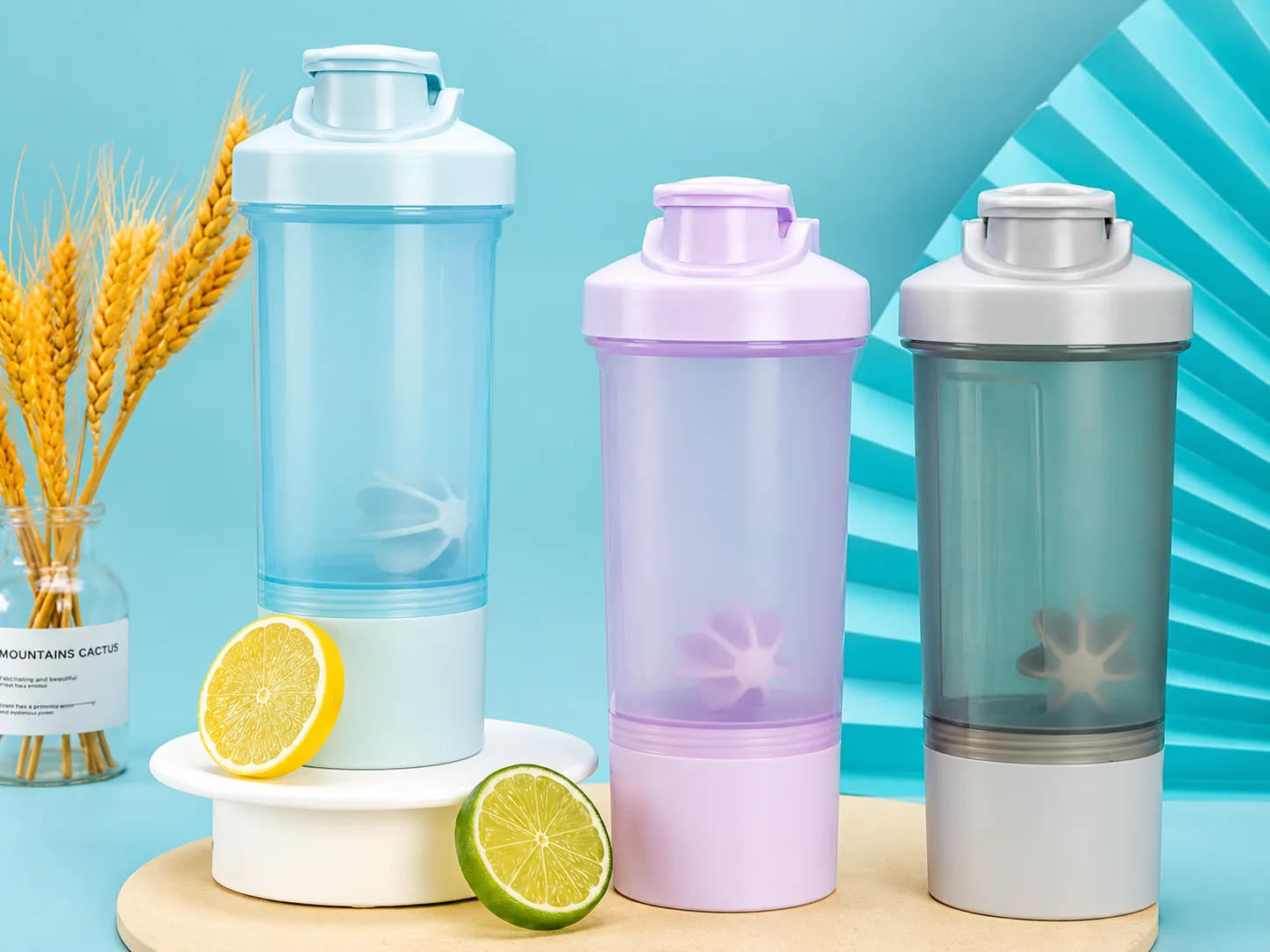
Different events have different venue rules on outside drinks, hard containers and refill stations; promoters must obtain current permission rather than assuring attendees that any bottle is permitted. Offer sample comparisons that account for carry comfort, bag dimensions, closure opening and safe storage. Request the exact milliliter capacity, approved body resin, component list and intended use for each shortlisted model. A small sports-format sample may suit merch displays; a larger hydration option may need more transport space and different handling. Ask whether a straw, loop or seal shown in an illustration is genuinely included in the factory's approved assembly. Do not market a model as 'guaranteed leakproof', dishwasher-safe or BPA Free without verification of the exact configured unit and destination market requirements. Sample a compact option such as model 2095 for stall presentation and confirm the actual bottle, closure and capacity with venue restrictions.
Separate performer rights, event marks and sponsor artwork
A festival design may combine the event logo, an artist name, sponsor marks and an edition date, but every asset should have an authorized owner. The promoter needs written clearance for the actual merchandise category, not merely permission to advertise the concert. Prepare vector artwork, permitted colors, print size, placement, edition text and corresponding purchase-order item references. A digital rendering is useful for discussion but not a substitute for an approved production-method print sample. Check color contrast and legibility on real curved plastic, and confirm which logo variations require separate setup and production minimums. Preserve approved proofs by revision number; if an artist's artwork changes shortly before showtime, the organizer must decide whether there is enough time to approve a new physical sample before decoration.
Model the delivered cost of paid bottles and sponsored packs
A paid item needs a retail-ready unit with sensible label or barcode requirements, whereas a VIP pack may need controlled allocation by recipient. Ask suppliers to itemize the same physical bottle, decoration, individual protection, barcode application where available, outer cartons and shipping handoff. Compare alternatives on delivered saleable units rather than only the blank-bottle factory price. Where the promoter hopes to sell a premium branded version, establish a price and target margin from the actual distribution channel without inventing a standard concert markup. For larger bottles, request actual gross carton weights and stage-loading arrangements before committing to a transport budget. Include the cost of separated sponsor batches and of any last-minute repacking at the venue. Record whether the factory or a downstream packer handles retail labels and VIP kit assembly. Compare model 2516 with the approved decorated sample and measured carton footprint before selecting it for retail merchandising.
Build a festival-site shipping and receiving calendar
Venue schedules are more restrictive than typical warehouse receipts: loading docks may operate during limited windows, event contractors may require delivery appointments and storage access can change during build days. Identify the true consignee, cross-dock or storage location and event-by-event carton allocation before the shipment leaves the supplier. Work backward from receiving cutoffs through documented sample approval, production, inspection, freight and customs requirements where applicable. Mark every case with event, date, channel, bottle SKU, artwork revision and actual count, subject to the venue's accepted labeling format. Confirm whether a third party will check counts at receiving, how damage is reported and who may authorize redistribution between merchandise and VIP stock. An emergency air shipment is not an automatic recovery plan unless service, cost and landing times are confirmed.
Inspect bottle function, decoration and packing before venue delivery
Set lot acceptance against the approved sample: body surface, selected cap and seal, included components, color, printed artwork and packing. Ask the supplier for documented checks relevant to actual intended use rather than generic performance guarantees. For a sponsor giveaway, verify the printed version and expected lot quantities; for paid merchandise, also check barcode readability and presentation where required. Test representative complete bottle assemblies under agreed handling conditions before accepting production, and retain evidence for any claimed performance. Segregate damaged units by model and carton code, and take photographs that show the nature of the defect. Decide how the supplier will report shortages or a rejected artwork lot before venue delivery, when there is still a realistic correction route. If goods are sent to multiple sites, audit each allocation against the agreed distribution sheet. If considering model lo-002 as a VIP pack reference, test its own packed lid and carrying components rather than assuming another model's parts fit.
Close the merchandising loop after the final show
After the event, reconcile received bottles, sold units, giveaways, damaged stock and returns by artwork edition and exact model. This identifies whether a particular body style, closure or price tier performed as expected and reduces the risk of carrying obsolete artist designs into future dates. Keep a reference sample, current specification, carton label, approved print file and customer care guidance with the final batch record. If the next tour uses the same body with a different date or sponsor, approve the artwork and minimum quantities again; continuity of a model name does not guarantee unchanged components. Ask for model-specific replacement seals or lids only where the supplier confirms part compatibility. A repeatable festival merchandise program is an audited product and distribution record, not a promise that every event can be supplied at the same cost or speed.
Festival merchandise release matrix
Align the real product with branding rights, site logistics and final allocation.
| Approval gate | Proof to collect | Buyer release rule |
|---|---|---|
| Channel | Retail or giveaway allocation | Inventory separated |
| Venue | Allowed bottle and receiving policy | Event approved |
| Licensing | Rights-holder authorization and artwork | Decoration approved |
| Sample | Final body, lid and print sample | Configuration accepted |
| Packing | Cases by event, channel and version | Warehouse can identify |
| Inspection | Recorded lots and defect criteria | Release or rework |
Buyer decision criteria, not XUYI certification, published MOQ or guaranteed delivery times. Verify the exact model and market requirements.
Buyer checklist
- Separate paid, VIP, crew and sponsor units.
- Confirm venue container and refill rules.
- Approve actual capacity and assembled lid.
- Verify artist and sponsor licensing rights.
- Sign off one physical print-proof revision.
- Quote retail labeling and VIP pack-out separately.
- Confirm multi-venue receiving and case labels.
- Document defect checks and inspection scope.
- Assign a late-change escalation owner.
- Reconcile sales, gifts, damage and leftovers.
Frequently asked questions
Can festival organizers print artist artwork on giveaway bottles?
Only with appropriate permission covering the design, product type, territory and use. Confirm the license before printing or describing the item as officially endorsed.
How early must bulk festival bottles be ordered?
Work backward from the venue receiving date using confirmed sample, branding, production, inspection and logistics steps; one lead-time promise cannot apply to every design.
Will attendees be allowed to bring the bottle into the venue?
Venue and promoter rules differ. Obtain the current event policy and avoid promising entry, refill access or compatibility without written verification.
Should paid merchandise and sponsor gifts share the same carton?
Not without a clear packing and allocation plan. Distinct print versions, channels and labels should be identifiable at receiving and stock reconciliation.
Need a quote for a specific model?
Send the model, expected order quantity, logo requirements and destination market. XUYI can review confirmed material and customization options.
Request a Plastic Bottle Quote →