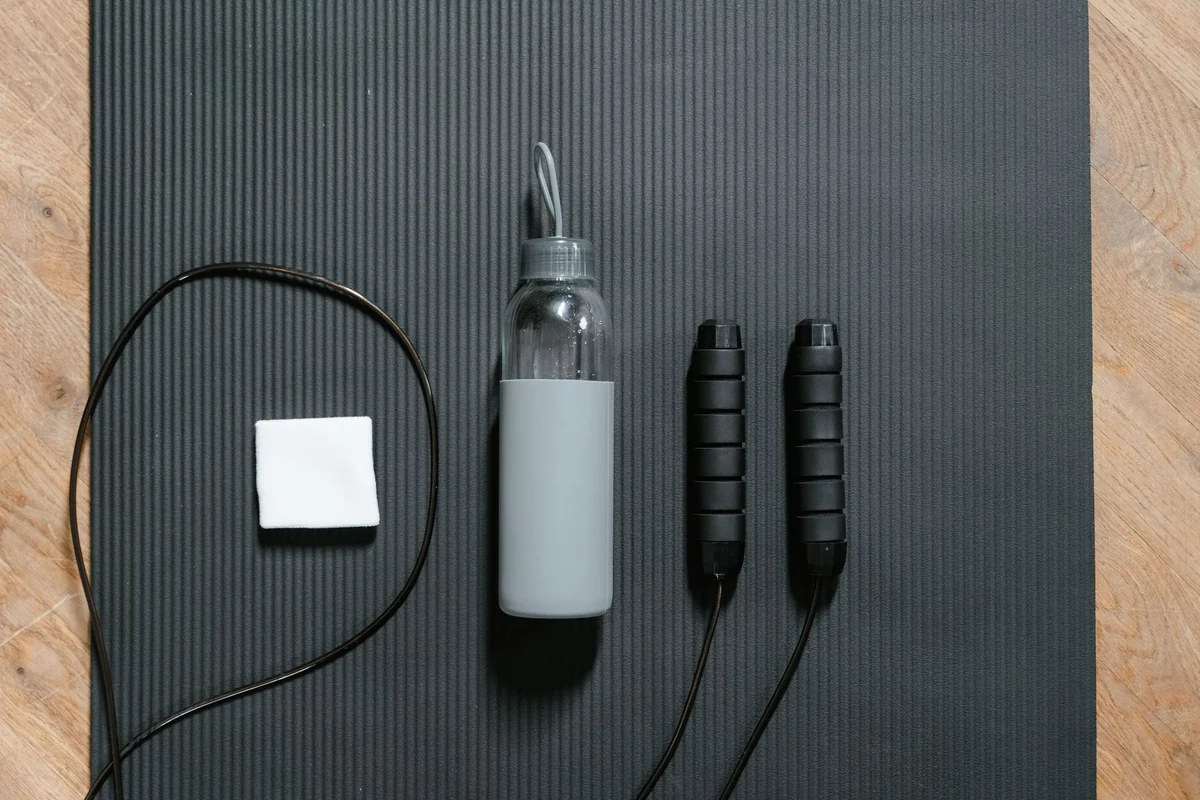
A studio-branded bottle may be a welcome gift, a paid retail item or staff equipment. Those channels demand different packaging, margin and stock controls. This guide helps Pilates and boutique fitness owners approve physical samples, protect brand artwork, model retail economics and replenish responsibly without claiming unverified bottle performance.
- Separate membership gifts, paid retail and instructor units.
- Test real bottle and cap samples in the studio.
- Verify component materials and applicable market documents.
Set a clear use for the studio drinkware program
Separate bottles intended for new members, instructor kits, paid front-desk retail and promotional class packs. A product offered free with a membership needs a fixed cost budget; retail merchandise must be evaluated against sale price, transaction costs and unsold stock. Use actual class attendance, membership renewals and previous retail sales as demand signals rather than relying on follower counts or the visual popularity of one color. Choose an opening assortment with a modest number of approved SKUs and record how many locations will receive each variant. Ask reception and instructors which storage spaces and handover processes they actually use. A bottle that looks elegant on a catalog page may be awkward in a narrow front-desk shelf or bag. Name the owner who approves the program, designs and purchase order, and keep financial assumptions next to the SKU list. If a franchise requests its own logo, account for different artwork versions rather than assuming one quote covers all branches. The first order should be a measurable retail or membership pilot with explicit reorder conditions, not an unlimited seasonal collection.
Compare samples with real studio handling routines
Test the physical sample on a mat-side surface, in the studio's cubbies and on reception shelving. Check grip, filled weight, base stability, lid opening, removable parts and the cleaning instructions relevant to the business. Do not assume a photo proves that the bottle is dishwasher-safe, leakproof, food-contact compliant or resistant to hot drinks. Ask the manufacturer for actual component materials and any item-specific test reports required for the destination market. If a cap contains a straw or seal, include the entire assembled closure in the approval, not just the bottle body. Have staff compare a few sample formats for how they fit class bags and the studio's available space. Document which variants are appropriate for free gifts versus products displayed near mats and apparel. Keep the accepted sample identified by exact SKU and closure configuration so a later quotation cannot replace one cap silently with another. If members want names on bottles, test the intended label method on a sample instead of claiming that all inks or labels will survive every cleaning routine. This is a simple but useful control for preventing a decorative design from becoming a daily operational inconvenience. Use Model 2400 · 380 ml catalog bottle as a compact-size comparison; confirm the actual cap, decoration area and packaging configuration before the quotation.
Control the logo, color and premium retail finish
Boutique fitness businesses often use fine-line typography and understated tones that can disappear on a curved printed surface. Supply approved vector files and specify size, orientation, logo hierarchy, color target and the actual printable area for each model. Ask what decoration options the supplier offers on the chosen body and request a production-representative printed sample. Inspect it under the lighting and viewing angle used on the studio shelf. Check whether a cap obstructs the design and whether a QR code remains legible when the bottle is held. Assign a single final artwork approver and save a dated proof number with each purchase. If another branch uses a different logo, treat it as a separate approved variant and ask about any setup costs. A digital mock-up supports placement decisions but cannot prove print durability, adhesion or exact color under all conditions. Keep supplier claims and approved evidence separate. When the studio rebrands, create a fresh artwork revision instead of updating a shared file in place, so old stock and new stock are not accidentally mixed on the retail fixture.
Model merchandise margins and member-gift cost
Ask vendors to quote the same bottle body, cap, sample, print method, packaging and destination before comparing unit prices. Add one-off setup, freight, duties where relevant, storage, transaction fees and damaged inventory into a landed-cost estimate. For paid merchandise, calculate gross margin and the units needed to cover launch costs; for complimentary membership packs, estimate cost per eligible recipient. A small change in shelf packaging or artwork variations can affect stockholding and pricing more than the apparent factory unit cost. Confirm any minimum order by exact color and graphic rather than assuming a supplier-wide MOQ. Keep prices, lead times and print availability explicitly tagged as current quotations or estimates. Plan branch allocation if several studios receive stock through one purchasing office. Decide how many physical units should be available at checkout versus held in a stockroom. An approval should be based on demand, shelf capacity and cash tied up in unsold colors, not merely an attractive social-media image. Keep the same assumptions in the financial worksheet and the final purchase order. For a concrete adult sports-bottle reference, start with sports bottle model 2095 and request the exact cap and seal specification.
Design packaging that front-desk staff can handle
A class check-in desk is not a warehouse. Decide whether bottles should arrive in gift-ready single cartons, a protective sleeve or master cartons that staff can unpack quickly. Measure the packaging against the actual sales shelf and determine whether a hanging tag, product label or brand card is required. If the studio combines drinkware with class vouchers, confirm who prints and inserts those items. Ask for case labels showing the model, color, art revision, packed quantity and delivery branch, so staff can identify stock without opening every box. Name the receiving contact for each studio, confirm loading and access constraints, and determine whether one bulk delivery or several direct deliveries cost less. Track gift inventory separately from stock offered for sale; otherwise a successful sign-up promotion may appear as unexplained shrinkage. If products are displayed in multiple rooms, use consistent internal stock codes. Protect required care labels and product markings when adding branding. A simple carton and storage plan reduces after-hours repacking and makes it easier to check a shortage before the next class starts.
Agree practical quality checks before selling
Retain the approved sample and compare incoming goods for cracks, uneven caps, missing components, scratches, printed logo placement, incorrect colors and transit damage. Inspect units from multiple cartons rather than relying only on the top layer. Count each variant against its packing list and record accepted and damaged units separately. Ask the supplier what inspection plan it supports and how errors will be documented for replacement or credit. Similar-looking lids or seals are not necessarily interchangeable; check part identifiers before adding extras to the order. Where a studio advertises material or cleaning claims, require documentary evidence for the actual model and destination instead of inferring them from appearance. Reception staff can identify visual defects, but that is not a substitute for required product testing. Photograph meaningful discrepancies with their carton and SKU references, then notify the supplier before goods enter member packs. Keep a clear contact for questions about care instructions, parts and approved branding. Stock should be marked sellable only after counts, visible condition and packaging have been reconciled with the signed product specification. Review Model 2401 · 650 ml catalog bottle as a larger-volume comparison and confirm dimensions, lid details and carton packing against the current model record.
Run reorders from sell-through and genuine feedback
After a trial, compare bottle sales, redeemed member gifts, unsold stock, returns and damage by SKU. Ask staff which lid options create cleaning questions or which colors are requested, without presenting those observations as laboratory performance results. Review whether the actual shelf layout can carry more variations and whether a seasonal design has ongoing value. Save the model, approved cap, artwork revision, printed sample, packaging details, quote and receiving record in one controlled source. Before placing a repeat order, reconfirm availability, manufacturing setup, pricing and delivery rather than assuming the earlier terms remain valid. When a studio franchise adds a branch, agree how artwork versions and carton labels will be distinguished. Use an inventory reorder threshold based on observed sales and the confirmed supplier lead time, with a documented reserve for member gifts. This helps the studio build a consistent merchandise line without committing to speculative quantities or changing the approved product every time a new employee joins the team.
Pilates studio procurement approval gates
Link the sample, brand identity and retail stock decision to verifiable buyer records.
| Gate | Evidence to retain | Buyer decision |
|---|---|---|
| Demand | Gift and retail sales forecast | Pilot quantity released |
| Handling | Studio-specific bottle and lid samples | Format accepted |
| Materials | Actual component and market records | Claims reviewed |
| Artwork | Dated printed logo proof | Brand sign-off |
| Costs | Landed cost and branch split | Budget approved |
| Inventory | Carton labels and receiving plan | Sellable stock reconciled |
Buyer decision criteria, not XUYI certification, published MOQ or guaranteed delivery times. Verify the exact model and market requirements.
Buyer checklist
- Separate membership gifts, paid retail and instructor units.
- Test real bottle and cap samples in the studio.
- Verify component materials and applicable market documents.
- Approve the logo, color and production sample.
- Calculate landed retail margin and gift-program cost.
- Agree order minimums for each graphic and variant.
- Plan shelf-ready packaging and studio delivery.
- Label cartons by SKU, art version and branch.
- Inspect accepted and damaged units at receipt.
- Save the signed specification for each reorder.
Frequently asked questions
Can studios use the same bottle for a welcome gift and retail sale?
Sometimes, but compare packaging cost and member expectations separately. Approve the actual sample and quantity split for both uses.
Does a studio logo proof guarantee print durability?
No. A digital proof shows approximate placement. Ask for a physical sample and item-specific evidence for any durability claim.
Should a Pilates studio offer many colors at launch?
A narrow trial based on real shelf capacity and member demand usually makes inventory easier to control. Confirm minimums before adding variants.
What should the studio retain for replenishment?
Save the exact SKU, component configuration, approved sample, artwork revision, cartons, order quantity, cost basis and defect record.
Need a quote for a specific model?
Send the model, expected order quantity, logo requirements and destination market. XUYI can review confirmed material and customization options.
Request a Plastic Bottle Quote →