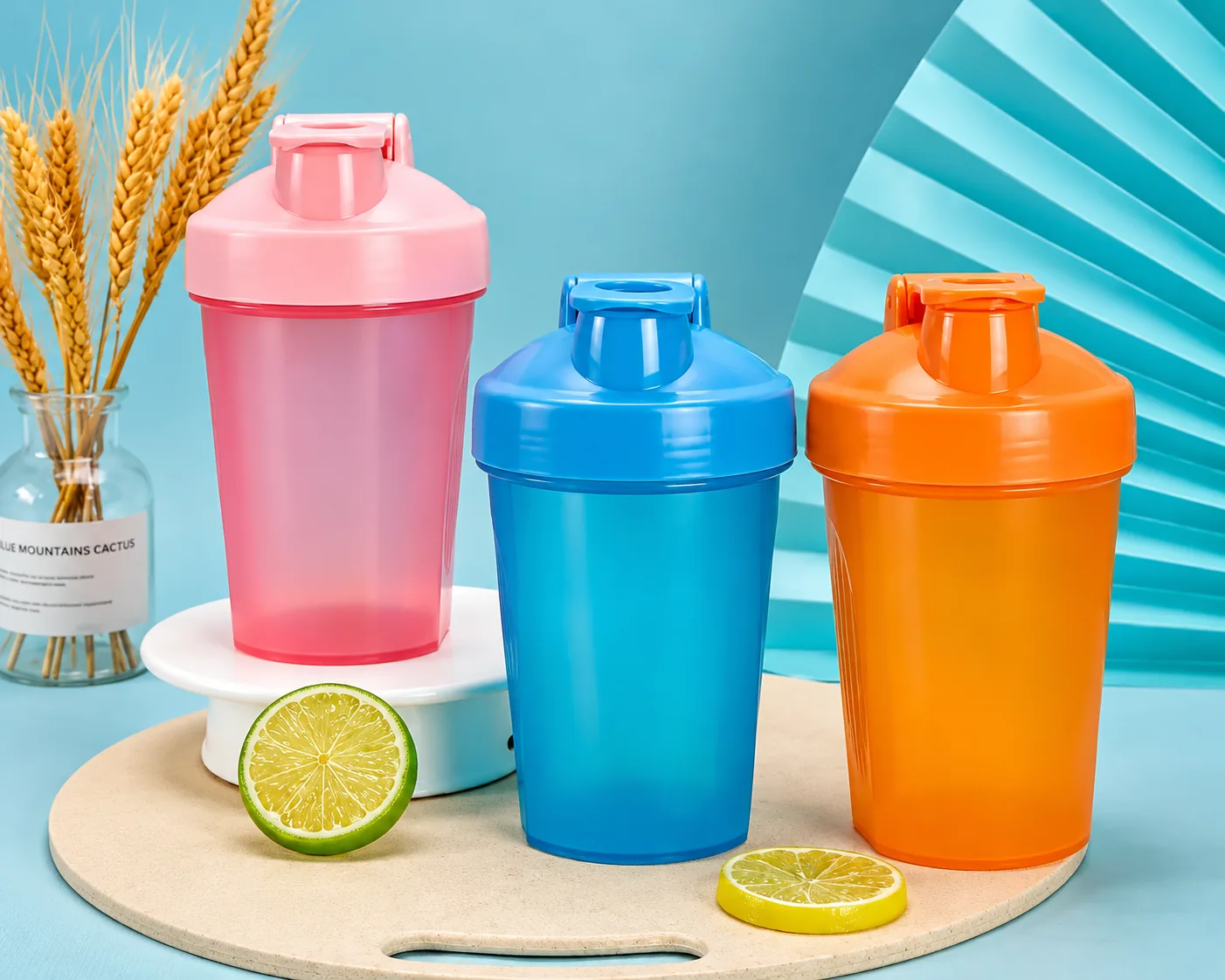
Sports nutrition and protein supplement brands use shaker bottles as promotional add-ons, starter-kit components and retail merchandise, but bundling creates operational obligations that an ordinary stand-alone bottle quotation may not capture. Buyers must approve the exact shaker assembly, determine which company will fill the kit, distinguish packaging claims from the supplement's own marketing, and reconcile retail packs with factory cartons. This practical B2B guide addresses product decisions and supplier questions; it does not claim that any XUYI model has a particular material, leakproof rating, food-contact certificate or fitness-performance result without verification.
- Document the paid, free-gift or subscription-kit business model.
- Choose three candidate shaker assemblies for physical review.
- Record actual body, lid, seal and included mixing parts.
Define the bundle before asking the supplier for a shaker quote
Explain whether the shaker is a free item with a supplement purchase, a paid retail kit, a subscription welcome gift or a wholesale gym-channel promotion. The use changes retail packaging, decoration, minimum order quantities and complaint handling. Draw a simple contents list: supplement unit supplied by the brand, physical shaker body, selected lid, any mixer insert, instruction card and final bag or box. Only accessories explicitly verified on the approved factory sample should be described as included. Clarify who owns the packed finished kit's identifier and who is responsible for final inspection. A supplier's quotation for loose shakers cannot automatically be treated as a quotation for co-packing powders or sealed supplements.
Compare real shaker assemblies rather than generic catalog labels
Ask for exact model codes, physical samples and documented body, cap and seal construction. Buyers may value easy filling, opening and cleaning, hand feel or a compact gym-bag profile, but performance claims must be checked on the complete assembled unit. A shaker mixing mechanism, removable strainer or ball should never be assumed to exist merely because a page uses the word shaker. Sample different catalog references as distinct products rather than interchange their caps. Record actual milliliter capacity and the manufacturer's approved use instructions. If the brand wants a special material or temperature rating, request evidence and a separate confirmed customization scope. Do not claim the finished shaker is leakproof or dishwasher safe based on the resin category alone. Review the complete physical shaker model 501 assembly before describing which mixing components are included in a nutrition bundle.
Separate supplement labeling from bottle labeling and claims
A protein brand's ingredients, nutrition panel, allergen statements and dietary marketing belong to the supplement program, not automatically to the bottle supplier. On the shaker itself, agree whether the item needs an approved logo, consumer care instructions, importer information, language variants or any regulated statements for the destination market. Obtain relevant food-contact documentation for the exact body, lid, sealing parts and intended drink use when applicable. An unverified BPA Free or Tritan description should not be carried over from a proposed custom resin option. Ask reviewers to approve decoration, safety instructions and pack contents separately. Keep change records if a cap, printed finish or pack insert is substituted, because the brand may need to update listings and customer support information.
Plan separate production and co-packing responsibilities
Decide whether the factory ships empty decorated shakers to the supplement brand, to a contracted co-packer or to a distribution center. Document who supplies cartons, inserts, shrink wraps, individual SKU labels and any protective packing. If the shaker is physically packed with supplement product later, identify the receiving criteria before the downstream kit assembly begins. Do not assume that a drinkware factory handles food powder, fills containers or operates regulated supplement packaging lines. Align the brand's campaign calendar with sample approval, bottle manufacturing, transit, warehouse delivery and kit assembly. Any printed QR coupon must point to a live and maintained destination. Preserve traceability linking each shaker batch with the final kit batch where the packer requires it. A separate reference such as shaker model 502 may change the pack-out and closure checklist; verify accessories and barcode needs by exact SKU.
Build the commercial quote around the entire giveaway program
Compare the cost of the physical shaker, logo setup, artwork variants, optional confirmed accessories, unit protection, carton packing, freight and possible downstream pack-out. If a campaign offers several flavor bundles, the shaker supplier may still provide the same base product, while the co-packer must distinguish complete-kit SKUs. Ask whether order minimums apply to each color, artwork or closure, not just the combined total. Model projected kit redemptions and repeat orders against storage and unsold packaging risk. A lower empty-shaker unit price does not guarantee the lowest cost per delivered saleable kit. Get the factory's actual starting trigger for production after design and sample approval rather than copying advertised generic lead times.
Set pre-shipment inspection tests based on expected use
Approve criteria for correct body, lid, seal, any mixer component, print version, visible defects, barcode and pack completeness. If the brand claims a particular seal performance under transport or use, define a meaningful test with documented orientation, contents and procedure for the selected configuration. Sample the finished production lot against a retained approved assembly and compare cartons to purchase order allocation. The co-packer should have a separate inbound discrepancy process for missing components and damaged outer packaging. Keep photos and lot identifiers if a customer reports a loose cap, odd odor or damage. Do not translate one passing lab or sampling result into an unconditional guarantee for every later batch. Before releasing a repeat campaign, compare the approved sample with shaker model 510 and lock the actual body and cap revision for inspection.
Make refills, replacement parts and consumer support part of the program
Create a batch-coded specification for the final body, lid, decorative version, packing and approved consumer instructions. Ask whether compatible replacement lids or seals can be supplied with specific part numbers, especially if the promotion will continue into future seasons. Route customer feedback about missing items, cleaning questions or breakage to the organization responsible for the kit, and distinguish a bottle defect from an issue with the supplement. Track repeat-order consistency by model revision rather than substituting the closest-looking component. When a brand changes its logo or campaign partner, keep old and new artwork inventories separate. A useful shaker promotion is one that customers can actually use and that the brand can reliably service.
Supplement kit shaker sourcing matrix
Match empty drinkware procurement with downstream campaign packaging responsibilities.
| Decision gate | Evidence to retain | Approval outcome |
|---|---|---|
| Product scope | Sample with body, cap and seals | Kit components defined |
| Claims | Verified use and food-contact evidence | Unsupported claims removed |
| Artwork | Decorated proof and care text | Brand approved |
| Co-packing | Recipient and packing scope | Responsibility assigned |
| Inspection | Sample standard and lot checks | Defects documented |
| Repeat supply | Model revision and spare-part codes | No silent substitution |
Buyer decision criteria, not XUYI certification, published MOQ or guaranteed delivery times. Verify the exact model and market requirements.
Buyer checklist
- Document the paid, free-gift or subscription-kit business model.
- Choose three candidate shaker assemblies for physical review.
- Record actual body, lid, seal and included mixing parts.
- Verify product-specific materials and intended-use instructions.
- Approve physical logo print and consumer care card.
- Define empty-shaker shipment versus downstream supplement packing.
- Map unit labels, cartons and complete retail kit SKUs.
- Compare total kit cost, MOQ and inventory risk.
- Agree production inspection and co-packer inbound checks.
- Record kit, bottle and component revisions for future repeats.
Frequently asked questions
Can a drinkware factory fill protein powder into shaker bottles?
Do not assume so. Confirm separate supplement handling and co-packing services with qualified operators; the bottle supplier's documented scope may only cover empty drinkware.
Do all shaker models include mixing balls or removable strainers?
No. Confirm the included components on the exact sample and purchase order before making customer-facing claims.
May a nutrition brand use the same shaker with several flavors?
Yes if the retail-kit SKU system, co-packer labels, artwork and allocation plans correctly distinguish the finished bundles.
What matters more than the lowest empty-shaker quote?
Total delivered kit cost, genuine verified components, correct packing, acceptance checks, customer care and availability for repeat campaigns.
Need a quote for a specific model?
Send the model, expected order quantity, logo requirements and destination market. XUYI can review confirmed material and customization options.
Request a Plastic Bottle Quote →