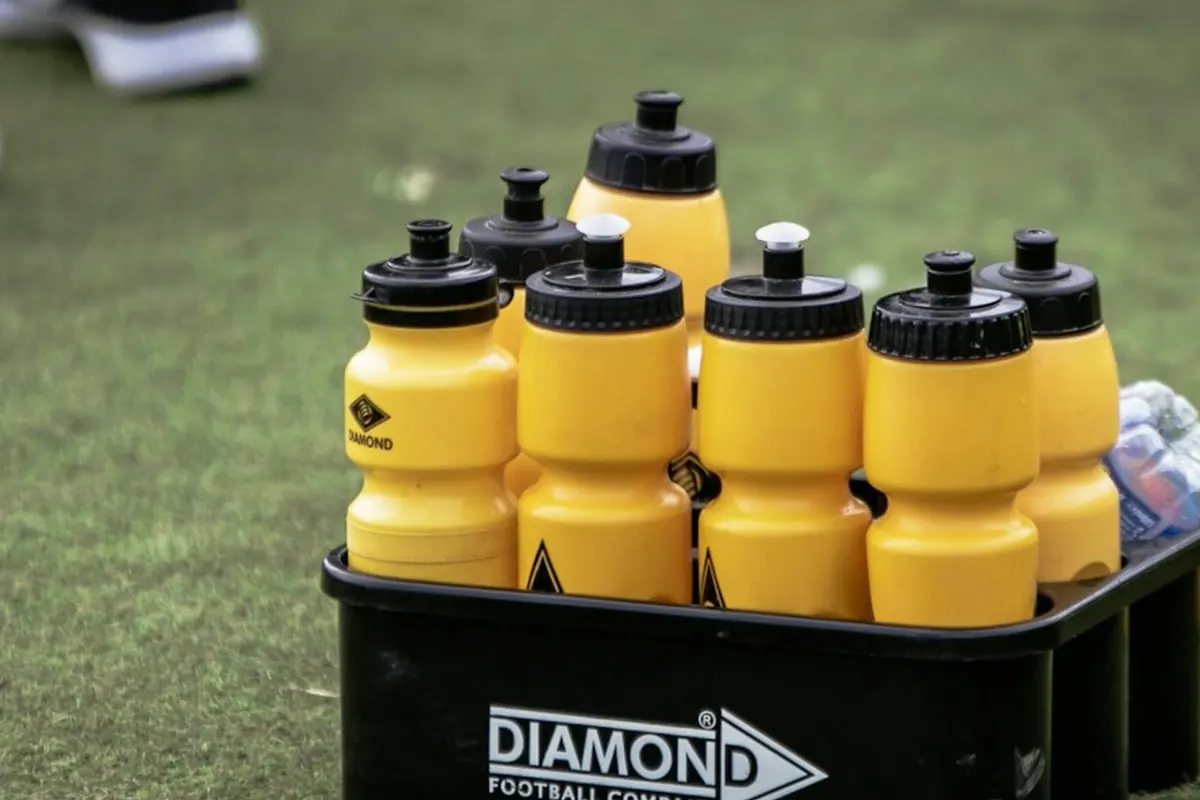
Youth soccer academies, training coaches and team equipment managers can source reusable plastic water bottles for team enrollment, sideline allocation and match-day bottle distribution, but their real procurement decisions differ from buying a generic catalog item. This article turns the program into a verifiable brief covering allocation, exact physical samples, print approvals, destination-market records, shipping and reorders. No featured lifestyle photograph establishes a specific XUYI SKU, real customer order, technical certification or guarantee.
- Confirm the current allocation and the receiving contacts.
- Agree a realistic reserve and the distribution schedule.
- Inspect the complete sample with its approved lid.
Allocate quantities by squad and training calendar
For youth soccer academies, training coaches and team equipment managers, the initial planning stage must address registered players, coaches, substitutes, squad ages and equipment managers. Define these details by the actual people and places involved in team enrollment, sideline allocation and match-day bottle distribution. The buyer should record both the permitted configuration and any exclusions before making promises to end users. A supplier's generic imagery may help describe the scenario, but it cannot substitute for a signed specification or a relevant physical test. Build a demand table from dated registrations or actual rosters. Separate confirmed quantities from estimates and define stock buffers for replacement or late arrivals. Every location needs an identified receiver and a written issue or handover workflow. An image of a plausible use scene cannot prove quantities, expected sales, or a manufacturer's product properties. Have the buyer approve the actual number of units, carton split and responsibility before seeking a binding quotation. Review model 2030 as a physical reference before approving this variant; confirm its current product record rather than assuming the same material or cap configuration.
Test the complete sample at supervised practice
For youth soccer academies, training coaches and team equipment managers, the sample approval stage must address practical sideline grip, cap handling, individual ownership, cleaning and carrier fit. Define these details by the actual people and places involved in team enrollment, sideline allocation and match-day bottle distribution. The buyer should record both the permitted configuration and any exclusions before making promises to end users. A supplier's generic imagery may help describe the scenario, but it cannot substitute for a signed specification or a relevant physical test. Inspect a production-representative physical sample with its intended body, lid, seal and accessories. Include the actual end user and environment in a controlled usability check. Photograph and archive the agreed variant; a catalog lifestyle photograph is not proof of leak resistance, suitability for children, cleaning behavior, market compliance or long-term durability. Require model- and component-specific documentation where applicable and reject substitutions that have not been approved. Review model 2059 as a physical reference before approving this variant; confirm its current product record rather than assuming the same material or cap configuration. Treat XUYI model lo-004 as an existing XUYI catalog reference for the soccer academy bottle procurement discussion. Verify the real component specification and physical sample before selecting it.
Control academy logos and player identification
For youth soccer academies, training coaches and team equipment managers, the branding approval stage must address authorized academy logos, team colors, individual name marking and sponsor rights. Define these details by the actual people and places involved in team enrollment, sideline allocation and match-day bottle distribution. The buyer should record both the permitted configuration and any exclusions before making promises to end users. A supplier's generic imagery may help describe the scenario, but it cannot substitute for a signed specification or a relevant physical test. Obtain authorized vector files and a single accountable final sign-off for every branding version. Review printed placement and legibility on a complete sample rather than relying solely on a digital mockup. Ask for decoration setup fees, color-specific minimums, and any price change caused by additional variants. Do not present colors, print durability or third-party rights as verified just because the factory has displayed an example image. Store the final revision code with the purchase order.
Set hygiene rules and spare-part responsibilities
For youth soccer academies, training coaches and team equipment managers, the ongoing operations stage must address individual hygiene procedures, bottle cleaning and replaceable caps for the approved configuration. Define these details by the actual people and places involved in team enrollment, sideline allocation and match-day bottle distribution. The buyer should record both the permitted configuration and any exclusions before making promises to end users. A supplier's generic imagery may help describe the scenario, but it cannot substitute for a signed specification or a relevant physical test. Decide who owns each bottle, who cleans it, and who can request replacement caps and seals. Ask the supplier for care guidance for the exact plastic, complete lid assembly and removable parts. If units will be reused across different people, establish an appropriate local hygiene and inspection procedure before the order. Never extend an unverified resin, dishwasher or BPA-free claim to the complete offered SKU. Document the discard and quarantine process for damage. Treat XUYI model 2401 as an existing XUYI catalog reference for the soccer academy bottle procurement discussion. Verify the real component specification and physical sample before selecting it.
Calculate landed cost per issued team bottle
For youth soccer academies, training coaches and team equipment managers, the commercial comparison stage must address per-squad landed costs, print setup, mixed team colors and reserves. Define these details by the actual people and places involved in team enrollment, sideline allocation and match-day bottle distribution. The buyer should record both the permitted configuration and any exclusions before making promises to end users. A supplier's generic imagery may help describe the scenario, but it cannot substitute for a signed specification or a relevant physical test. Request comparable written quotations with the same exact model, approved materials, lid, artwork, quantity, packaging and destination. Itemize unit prices, artwork setup, samples, freight, local sorting, customs and destination tax, and record the agreed Incoterm when importing. Use a lower and higher attendance scenario to understand stock risks. Supplier lead times are preliminary until written confirmation. Evaluate landed cost per actually delivered usable bottle, not only the headline factory price.
Arrange labeled deliveries before league registration
For youth soccer academies, training coaches and team equipment managers, the delivery stage must address training-ground and club-site carton allocation with registered season kick-off dates. Define these details by the actual people and places involved in team enrollment, sideline allocation and match-day bottle distribution. The buyer should record both the permitted configuration and any exclusions before making promises to end users. A supplier's generic imagery may help describe the scenario, but it cannot substitute for a signed specification or a relevant physical test. Create a dispatch matrix showing model, version, color, carton quantity, destination and intended delivery window. Require the supplier to provide actual outer carton size and weight for the approved configuration. At receiving, compare packing records with the signed physical sample and inspect items from different cases. Record visible defects, shortages, damaged packaging or missing parts with dated photos; isolate disputed units rather than putting them into immediate distribution. Treat XUYI model 2282 as an existing XUYI catalog reference for the soccer academy bottle procurement discussion. Verify the real component specification and physical sample before selecting it.
Reconcile usage before the next team season
For youth soccer academies, training coaches and team equipment managers, the repeat procurement stage must address losses, new joiners, actual squad stock, signed samples and next-season artwork. Define these details by the actual people and places involved in team enrollment, sideline allocation and match-day bottle distribution. The buyer should record both the permitted configuration and any exclusions before making promises to end users. A supplier's generic imagery may help describe the scenario, but it cannot substitute for a signed specification or a relevant physical test. After each distribution period, reconcile purchased, delivered, issued, returned and damaged units. Ask operators for specific usability observations but do not call those comments a technical test. Preserve artwork permissions, the approved sample and version, full component list, material documentation, shipping terms and incident reports for the next quote. Any different cap, resin, decoration or destination requirement triggers another review instead of a silent reorder.
Soccer Academy Bottle Procurement buyer decision gates
Use a written record at every procurement stage; photographs are context, not product evidence.
| Buyer gate | Evidence to check | Required decision |
|---|---|---|
| Quantities | registered players, coaches, substitutes, squad ages and equipment managers | Approve demand |
| Physical sample | practical sideline grip, cap handling, individual ownership, cleaning and carrier fit | Approve assembly |
| Artwork | authorized academy logos, team colors, individual name marking and sponsor rights | Approve permissions |
| Operations | individual hygiene procedures, bottle cleaning and replaceable caps for the approved configuration | Approve care plan |
| Landed quote | per-squad landed costs, print setup, mixed team colors and reserves | Approve costs |
| Delivery & reorder | training-ground and club-site carton allocation with registered season kick-off dates | Approve receiving plan |
Buyer decision criteria, not XUYI certification, published MOQ or guaranteed delivery times. Verify the exact model and market requirements.
Buyer checklist
Use these points when comparing a factory sample, artwork approval and purchase quotation.
- Confirm the current allocation and the receiving contacts.
- Agree a realistic reserve and the distribution schedule.
- Inspect the complete sample with its approved lid.
- Request the precise materials and market documentation.
- Approve brand permissions and the printed proof.
- Define cleaning and spare-part handling.
- Compare delivered quotations at matching specifications.
- Label each carton for the real destination.
- Inspect several cartons before releasing stock.
- Retain a signed sample and version for reorders.
Frequently asked questions
Can youth soccer academies, training coaches and team equipment managers order from a catalog picture alone?
No. The buyer should approve the exact bottle, cap, packaging and applicable documents through a physical sample before a binding order.
Can all colors and logos be mixed without extra cost?
Not automatically. Suppliers may have version-specific print setup, packing and minimums. Obtain written terms for the selected configuration.
Are these bottles automatically leakproof, hot-water safe or dishwasher safe?
No. Obtain model-specific evidence and care instructions for the complete assembly before making those claims.
Which records matter most for a future repeat order?
Preserve the SKU, physical sample, closure components, artwork revision, receiving discrepancies, packing lists and written commercial terms.
Need a quote for a specific model?
Send the intended model, material requirements, expected order quantity, artwork and destination market. We will review the options for that exact product rather than assume one specification fits every bottle.
Request a Plastic Bottle Quote →Related Buying Guides
 How Should Cycling Clubs and Race Organizers Buy Branded Water Bottles in Bulk?
Cycling race water bottle wholesale guide: rider allocation, cage fit, printing, packing by start wave, delivery dates and receiving inspection.
 How Should Summer Camp Operators Buy Reusable Water Bottles for Group Programs?
A wholesale sourcing guide for summer-camp drinkware: age groups, name labels, cap selection, camp artwork, replacement parts, shipment planning and inspection.
 How Should School Supply Distributors Source Kids' Reusable Water Bottles in Bulk?
A cautious B2B checklist for school supply buyers sourcing reusable children's water bottles: age group, closures, component safety, cleaning, batch records, labeling and replacement parts.